
Table of Contents
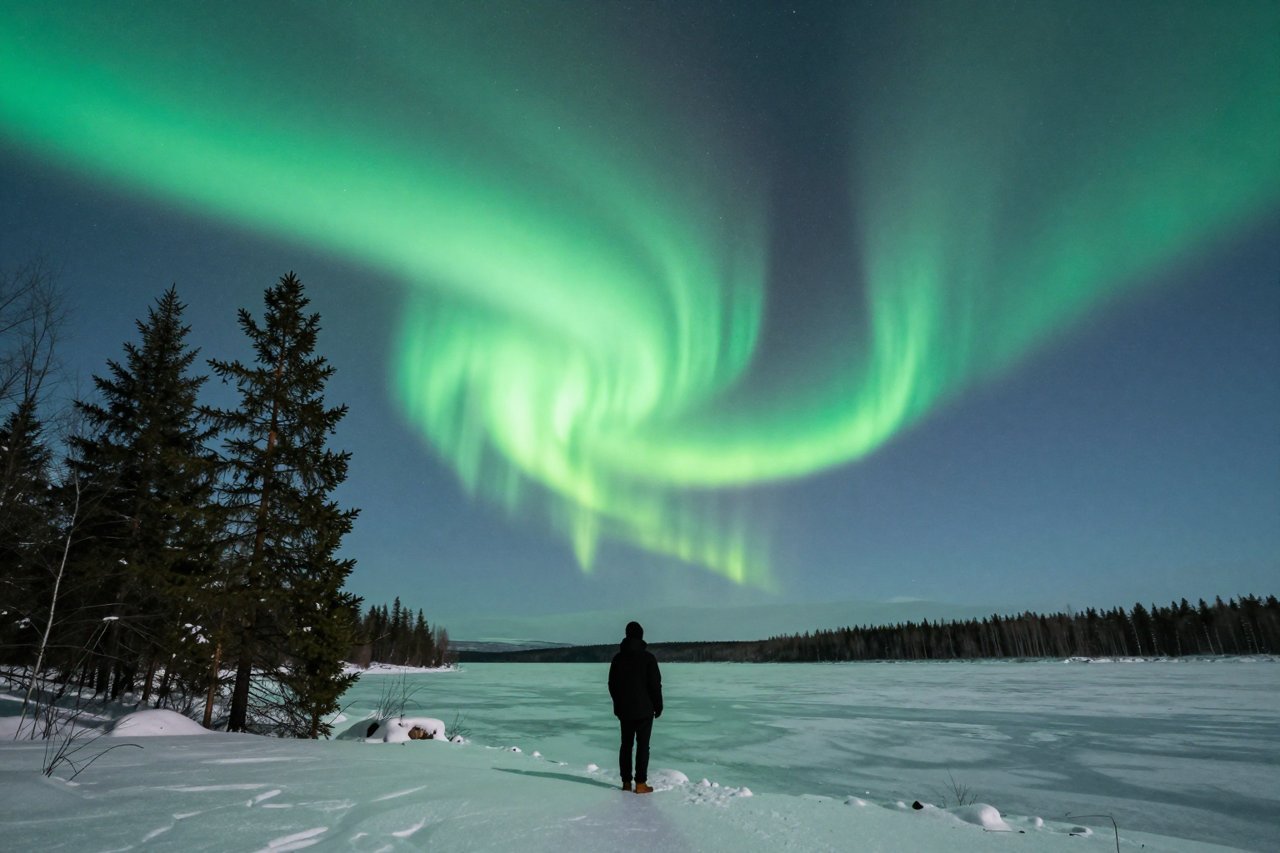
Seeing the northern lights—also known as the aurora borealis—is a bucket-list experience for many travelers. The dancing curtains of green, pink, and purple light across a dark Arctic sky feel almost otherworldly. But where exactly should you go for the best chance of witnessing this natural wonder? The answer isn’t simple because the “best place” depends on your budget, travel style, and tolerance for cold. In this guide, I’ll break down the top destinations around the world, what makes each special, and practical tips to maximize your chances of a sighting.
What Makes a Good Northern Lights Destination?
Before diving into specific locations, it helps to understand the key factors for aurora viewing. The northern lights are caused by solar particles interacting with Earth’s magnetic field, and they’re most visible near the magnetic North Pole. You need three things: darkness, clear skies, and high solar activity. That means winter months (September to March in the Northern Hemisphere) are best, and you should aim for areas with minimal light pollution and a latitude between 65° and 72° north.
Many people assume you have to go to the Arctic Circle, but some destinations just below it also offer excellent viewing. Cloud cover is the biggest enemy—even if solar activity is high, thick clouds can ruin the show. That’s why the best places often have stable weather patterns or offer multiple nights of hunting.
Tromsø, Norway: The Aurora Capital
Tromsø sits at 69° north, deep inside the Arctic Circle, and is widely considered one of the best places to see northern lights because of its accessibility and mild coastal climate. The Gulf Stream keeps temperatures here warmer than you’d expect—often around -5°C (23°F) in winter—making it more comfortable for long nights outdoors.

Why Tromsø Stands Out
You can fly directly into Tromsø from major European cities, and the city itself has a vibrant cultural scene with excellent restaurants and museums. But the real magic lies outside town. Take a guided tour to a remote fjord or a Sami reindeer camp, where you can warm up in a lavvu (a traditional tent) while waiting for the lights. For a more adventurous approach, consider a guide to exploring the outdoors of Northern Norway, which covers hiking, snowshoeing, and fjord excursions that double as aurora viewing platforms.
Another advantage: Tromsø experiences frequent clear nights because of its coastal location, though you should still plan for at least three to five nights to increase your odds. The aurora season runs from September to April, with peak activity around the equinoxes (March and September).
Abisko, Sweden: The Blue Hole Phenomenon
If you want the highest statistical probability of seeing the aurora, head to Abisko National Park in Swedish Lapland. This small village sits in a rain shadow created by the surrounding mountains, resulting in unusually clear skies. The area is famous for the “Blue Hole”—a patch of sky over Lake Torneträsk that remains cloud-free even when the rest of the region is overcast.
Abisko is less developed than Tromsø, but that’s part of its charm. You can stay at the Abisko Mountain Lodge or the Aurora Sky Station, which offers chairlift rides up to a viewing platform. Because the skies are so reliable, many visitors report seeing the lights on their first night. It’s also a quieter, more intimate experience—you’re surrounded by wilderness, not city lights.
Yellowknife, Canada: The Best in North America
For travelers based in North America, Yellowknife in Canada’s Northwest Territories is the top choice. Located directly under the aurora oval, this small city boasts some of the highest aurora activity in the world. The season runs from mid-August to the end of April, but the best months are November to March when nights are longest.
Yellowknife offers a range of tour operators who take you to heated cabins or teepees away from the city lights. You can even stay at a wilderness lodge like the Blachford Lake Lodge, where you can step outside your cabin to see the lights. For a broader Canadian adventure, check out the 25 best things to do in Nova Scotia, though that’s on the opposite coast—still, it shows how diverse Canada’s offerings are.
One unique advantage: Yellowknife’s location on Great Slave Lake means you can sometimes see the aurora reflected in the ice, creating a double light show. The city also hosts the annual Snowking Winter Festival, adding cultural appeal.
Fairbanks, Alaska: Accessible and Reliable
Fairbanks is another excellent option in North America, especially for those who prefer a road trip. It’s located at 65° north, just below the aurora oval, but still gets consistent activity. The city has a low amount of annual precipitation, meaning clearer nights than many coastal areas. You can drive just 20 minutes out of town to find dark skies, often with views of the lights from hot springs at Chena Hot Springs Resort.
Fairbanks is also less expensive than Scandinavian destinations, and it’s easy to combine aurora viewing with other winter activities like dog sledding, ice fishing, and visiting Denali National Park. The aurora season here runs from August 21 to April 21, with peak in March.
Rovaniemi, Finland: Santa Claus and the Northern Lights
Finland’s official hometown of Santa Claus, Rovaniemi, is a family-friendly destination where you can combine aurora hunting with Christmas magic. The city is located on the Arctic Circle, and you can stay in glass igloos at resorts like Santa’s Igloos Arctic Circle or the more luxurious Kakslauttanen Arctic Resort. These glass-roofed cabins allow you to watch the lights from the warmth of your bed.
The best viewing months are September to March, but note that Rovaniemi is a bit further south than Tromsø, so the aurora is slightly less frequent. However, the novelty of seeing the lights while sipping hot cocoa in a glass igloo is hard to beat. For a broader Finnish adventure, you can combine it with a trip to Helsinki or a visit to the best places to visit in Greece—though that’s a different kind of journey!
Iceland: A Dramatic Backdrop
Iceland is one of the most popular destinations for aurora viewing because of its surreal landscapes—waterfalls, glaciers, and black sand beaches all make dramatic foregrounds for the lights. The entire island is at a high latitude (63-66°N), and you can often see the aurora from Reykjavik if the skies are clear. But for the best experience, head away from city lights to places like Thingvellir National Park, Jökulsárlón glacier lagoon, or the Snaefellsnes Peninsula.
The downside: Iceland’s weather is notoriously unpredictable, with frequent cloud cover. You should plan for at least a week-long trip to have multiple chances. The aurora season runs from September to April, with the longest nights in December and January. Many tour operators offer flexible bookings that allow you to rebook if the forecast looks poor.
Lesser-Known Gems: Svalbard and Greenland
For the truly adventurous, Svalbard (Norway) offers a unique twist: you can see the northern lights during the daytime in winter because the sun never rises. This polar night lasts from mid-November to late January, meaning 24-hour darkness and constant aurora potential. However, it’s extremely cold and remote, with limited infrastructure.
Greenland, particularly the town of Kangerlussuaq, has some of the most stable clear skies in the Arctic. The inland location minimizes cloud cover, and you can see the aurora from September to April. Kangerlussuaq is accessible via direct flights from Copenhagen, and you can combine your trip with dog sledding or iceberg cruises.
Practical Tips for Your Aurora Hunt
- Check the forecast: Use websites like the NOAA Aurora Forecast or apps like My Aurora Forecast to track solar activity and cloud cover.
- Dress in layers: Even in relatively mild Tromsø, temperatures can drop below -20°C (-4°F) at night. Thermal underwear, wool socks, and a windproof outer layer are essential.
- Bring a tripod: To photograph the aurora, you’ll need a camera with manual settings and a sturdy tripod for long exposures (typically 5-20 seconds).
- Plan for at least 3-5 nights: The aurora is unpredictable; the more nights you have, the higher your chances. Consider a package that includes multiple guided tours.
- Avoid full moon: A bright moon can wash out the aurora. Check the lunar calendar and aim for nights around the new moon.
- Be patient: The lights can appear and disappear in minutes. Stay out late (usually 10 PM to 2 AM) and keep your eyes on the sky.
Combining Aurora with Other Travel
If you’re traveling from afar, you might want to combine your aurora trip with other destinations. For instance, a trip to Norway could include a fjord cruise in Bergen or a visit to Oslo. Similarly, a Canadian aurora trip could be paired with a visit to Vancouver or Toronto. For those who love beaches and warm weather, consider a two-part trip: first chase the lights in Iceland, then hop over to the best beaches in Bali for some sun. Or, if you’re planning a European vacation, you could start with the northern lights in Lapland and then head south to the best things to do in Corfu for a dose of Mediterranean culture.
No matter where you choose, remember that seeing the northern lights is never guaranteed. But with good planning, the right destination, and a bit of luck, you’ll witness one of nature’s most spectacular shows. The key is to embrace the adventure—even if the aurora doesn’t appear, the Arctic winter has plenty of other magic to offer, from starry skies and snowy landscapes to the warm glow of a campfire.


