
Table of Contents
Constipation can make you feel bloated, sluggish, and just plain uncomfortable. While there are many remedies, one of the gentlest and most effective is increasing your intake of high fiber fruits. Not only do they pack a fiber punch, but they also provide vitamins, antioxidants, and hydration. Let’s explore which fruits can get things moving again.
How Fiber Helps With Constipation
Fiber comes in two forms: soluble and insoluble. Soluble fiber dissolves in water, forming a gel that softens stool. Insoluble fiber adds bulk, helping stool pass more quickly through the digestive tract. Most high fiber fruits contain both, making them a powerful duo for regularity. The general recommendation is 25 to 38 grams of fiber per day, but many of us fall short. Adding a couple of fiber-rich fruits can bridge that gap.
If you struggle to get enough from food alone, you might consider supplements. However, whole fruits offer additional benefits like water and phytonutrients. For a deeper look at supplement options, check out The Complete Guide to Dietary Fiber Supplements: Which One Is Right for You?.
Top High Fiber Fruits for Constipation
Pears
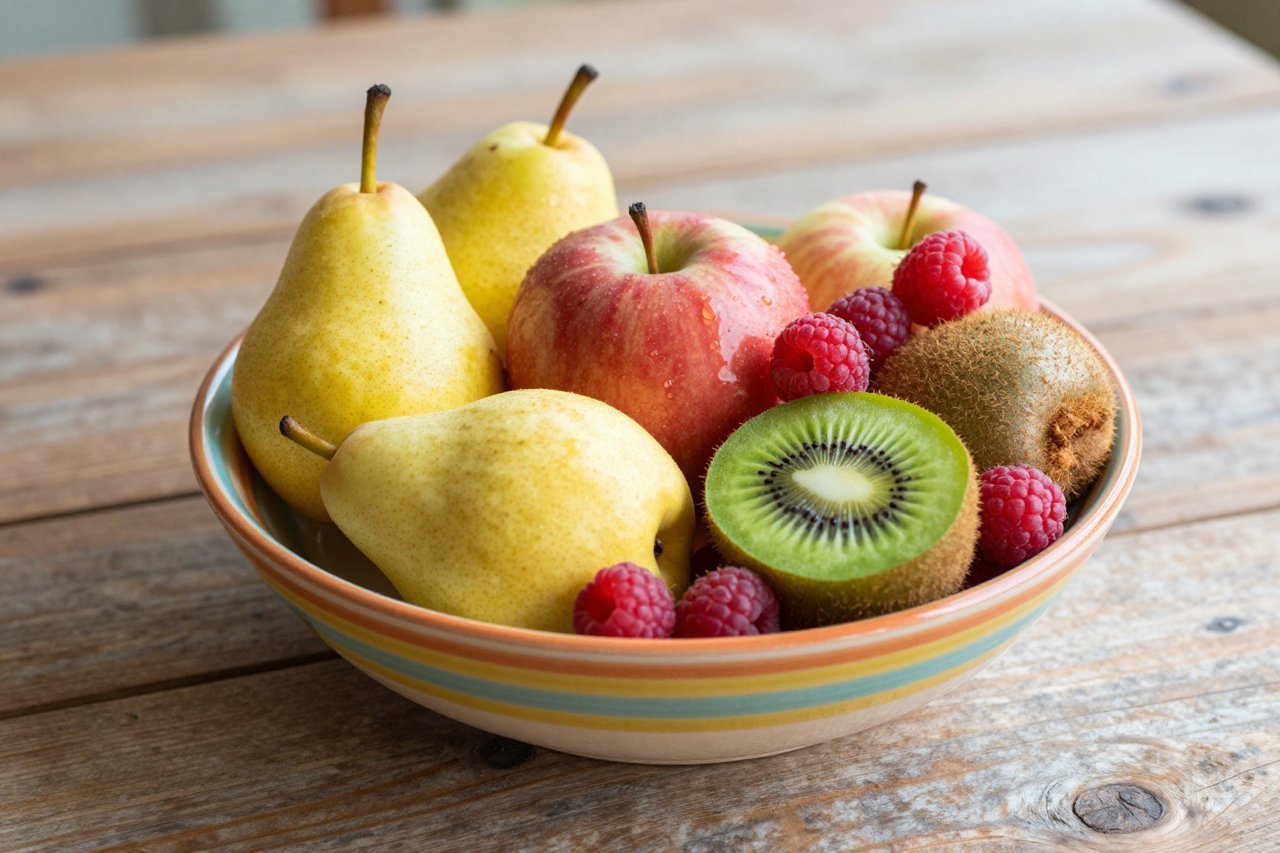
A medium pear with the skin provides around 5.5 grams of fiber—about 20% of your daily needs. Pears are particularly rich in pectin, a soluble fiber that absorbs water and helps stool form. Eating a fresh pear as a snack or slicing it into oatmeal is an easy win.

Apples
An apple a day might keep the doctor away, but it can also keep constipation at bay. One medium apple with skin offers about 4.4 grams of fiber. Like pears, apples contain pectin and the skin provides insoluble fiber. For best results, eat the whole fruit rather than apple juice, which lacks fiber.
Berries
Raspberries and blackberries are fiber superstars. A single cup of raspberries packs 8 grams of fiber. Blueberries and strawberries are also good sources. Berries are easy to toss into yogurt, smoothies, or just eat by the handful. For more on the specific benefits, read about 17 Blueberry Benefits for Your Health and Beauty.
Kiwi
Kiwis are unique because they contain an enzyme called actinidin that aids digestion. One medium kiwi has about 2.1 grams of fiber, but studies show eating two kiwis daily can significantly improve bowel movements. They’re also hydrating—kiwis are about 80% water.
Papaya
Papaya is known for its digestive enzyme papain, which helps break down protein. But it also provides fiber—about 2.5 grams per cup. The fruit is gentle on the stomach and can be eaten fresh or blended. Explore more reasons to include it at 19 Papaya Health Benefits and Its Amazing Anti-aging Effects.
Oranges
One medium orange gives you about 3.1 grams of fiber. The white pith between the peel and fruit is rich in pectin, so don’t discard it entirely. Eating the whole fruit is better than drinking juice.
Prunes and Dates
Prunes are the classic constipation remedy. Just half a cup contains about 6 grams of fiber. They also contain sorbitol, a sugar alcohol that draws water into the bowel. Dates are another dried fruit option, with 1.6 grams per date. A small handful of prunes or dates can work quickly.
How to Incorporate These Fruits
Here are simple ways to add more high fiber fruits to your day:
- Top your morning cereal or oatmeal with sliced pear or berries.
- Keep a bowl of apples and kiwis on the counter for easy grabbing.
- Blend papaya or orange into a smoothie with yogurt.
- Snack on prunes or dates when you need a quick fiber boost.
- Make a fruit salad with raspberries, orange segments, and diced pear.
Other Considerations for Constipation Relief
Fiber works best when you also drink plenty of water. Without fluid, fiber can actually worsen constipation. Aim for at least eight glasses of water daily. Physical activity also stimulates bowel movements. And if you’re adding fiber gradually, give your gut time to adjust. A sudden increase can cause gas and bloating.
Your gut bacteria also play a role in digesting fiber and maintaining regularity. Certain fibers act as prebiotics, feeding beneficial bacteria. For more on this connection, see Prebiotics for Gut Health: Your Complete Guide to the Good Bacteria Fuel.
Fiber Supplements vs. Whole Fruits
While supplements like psyllium or methylcellulose can help, whole fruits offer extra nutrients. For example, 25 Elderberry Benefits + The Best Elderberry Syrup Recipe Ever highlights how a fruit can support immune health along with digestion. Whole fruits also provide water and volume, which can improve stool consistency.
Soursop and Other Tropical Options
Soursop is a tropical fruit with about 3.2 grams of fiber per cup. It’s also packed with vitamin C and antioxidants. While not as common, it’s worth seeking out if you enjoy exotic flavors. Learn more about its uses in 17 Soursop Benefits and Uses for Health and Beauty.
How Much Fiber Do You Need?
The American Heart Association recommends 25 grams per day for women and 38 grams for men. Many fruits provide 3-8 grams per serving. A strategy: include at least two servings of high fiber fruits daily, plus vegetables, legumes, and whole grains. Start with smaller portions if you’re not used to high fiber, and increase slowly.
Remember that cooking fruits can slightly alter fiber content, but raw fruits with skin retain the most. Dried fruits are concentrated sources but also higher in sugar, so watch portions.
If constipation persists despite dietary changes, consult a healthcare provider. Chronic constipation can have underlying causes that need medical attention. But for most people, adding these fruits to a balanced diet makes a real difference.


