
Table of Contents
What Makes Fermented Foods So Good for Your Gut?
Fermented foods have been around for thousands of years, from Korean kimchi to German sauerkraut, but only recently has science caught up with what our ancestors instinctively knew: these foods are powerhouses for digestive health. The magic lies in the fermentation process itself, where beneficial bacteria, yeasts, and enzymes transform raw ingredients into something that’s not only preserved but also packed with probiotics.
When you eat fermented foods, you’re essentially giving your gut a direct infusion of live microorganisms that can help balance your microbiome. Your gut is home to trillions of bacteria, and maintaining a diverse, healthy community is linked to better digestion, stronger immunity, and even improved mood. But not all fermented foods are created equal—the key is choosing those that are naturally fermented (not pasteurized) and contain live cultures.
The Science Behind Fermentation and Gut Health
Fermentation is a metabolic process where microbes like Lactobacillus or Saccharomyces break down sugars into acids, gases, or alcohol. In the case of lactic acid fermentation (think sauerkraut, kimchi, and pickles), the result is a tangy, sour flavor and a food rich in probiotics. These probiotics can survive stomach acid and reach your intestines, where they help crowd out harmful bacteria, produce short-chain fatty acids that feed your gut lining, and modulate inflammation.
Research suggests that regular consumption of fermented foods can increase microbiome diversity—a marker of gut health—within weeks. A 2021 study from Stanford found that people who ate a diet rich in fermented foods showed decreased markers of inflammation and a more diverse gut microbiome compared to those who ate a high-fiber diet. However, the benefits don’t stop at the gut. Because your gut is connected to your brain, immune system, and even your skin, a healthy microbiome can have far-reaching effects.

How Fermented Foods Differ From Probiotic Supplements
While probiotic supplements can be helpful, fermented foods offer additional advantages. They contain not just probiotics but also prebiotics (food for the good bacteria), vitamins, and bioactive compounds created during fermentation. For example, sauerkraut provides vitamin C and K, while kefir offers calcium and B vitamins. The synergistic effect of these nutrients may be more powerful than isolated probiotics.
Top Fermented Foods to Add to Your Diet
You don’t need to overhaul your entire diet to reap the benefits. Start with one or two of these staples and gradually increase your intake. Here’s a list of the most accessible and effective fermented foods:
- Kimchi – A spicy Korean staple made from cabbage, radish, and seasonings. It’s rich in Lactobacillus kimchii and offers a punch of flavor and probiotics.
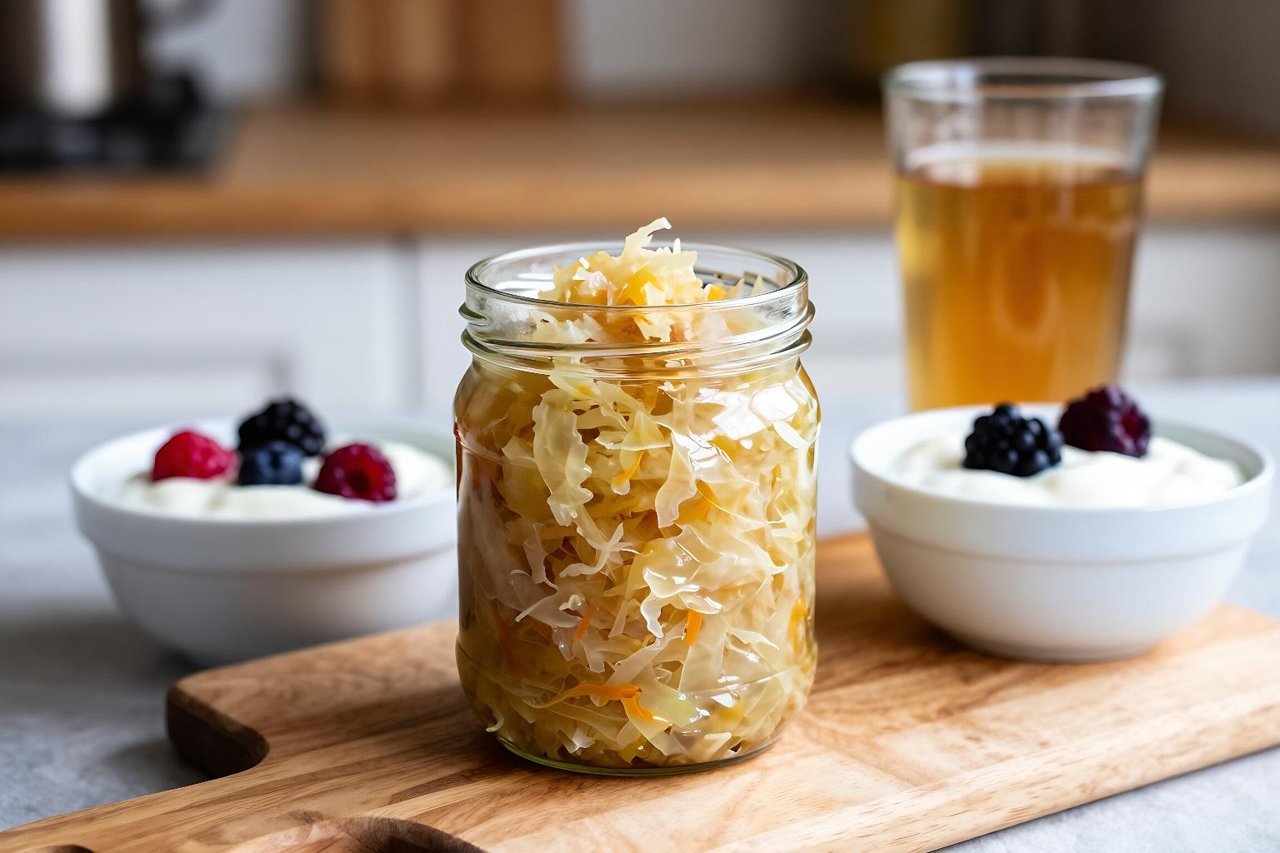
- Sauerkraut – Finely shredded fermented cabbage. Look for refrigerated, unpasteurized versions (like Bubbies or Wildbrine) to ensure live cultures.
- Kefir – A tangy, drinkable fermented milk product. It contains more than 30 strains of bacteria and yeasts, making it one of the most diverse probiotic sources.
- Yogurt – Choose plain, unsweetened yogurt with live active cultures. Greek yogurt is thicker and higher in protein, but both are good options.
- Kombucha – A fizzy, fermented tea. While it’s lower in probiotics than some other options, it’s a great alternative to soda and contains beneficial acids.
- Miso – A fermented soybean paste used in Japanese cuisine. It’s rich in probiotics and adds umami flavor to soups and marinades.
- Natto – Fermented soybeans with a strong flavor and sticky texture. It’s the best dietary source of vitamin K2 and contains the potent probiotic Bacillus subtilis.
- Pickles – Only if they’re naturally fermented (brine, not vinegar). Check the label for “naturally fermented” or “live cultures.”
When shopping, always check the refrigerated section—fermented foods lose their probiotics if heat-processed or shelf-stable. The ingredient list should be simple: cabbage, salt, water, and spices for sauerkraut; milk and live cultures for yogurt. Avoid products with added sugars or artificial preservatives.
How to Incorporate Fermented Foods Without Overdoing It
If you’re new to fermented foods, start small. A sudden influx of probiotics can cause gas or bloating as your gut adjusts. Begin with one tablespoon of sauerkraut or a quarter cup of kefir per day, then gradually increase over a week or two. Listen to your body—some people tolerate these foods well, while others need a slower transition.
Here are some practical ways to add them to your meals:
- Top your avocado toast or salad with a spoonful of sauerkraut or kimchi.
- Drink a small glass of kefir as a mid-morning snack, or blend it into a smoothie.
- Use miso paste to make a quick soup: just dissolve it in hot water with some tofu and seaweed.
- Swap your afternoon soda for a low-sugar kombucha.
- Add a dollop of plain yogurt to your oatmeal or curry instead of cream.
- Experiment with natto on rice for breakfast—it’s an acquired taste but packed with benefits.
Variety matters. Different fermented foods contain different strains, so rotating them helps ensure a diverse microbiome. Aim for at least one serving daily, but even a few times a week can make a difference.
What to Look For When Buying Fermented Foods
Not everything labeled “fermented” is beneficial. Many commercial pickles and sauerkrauts are pasteurized after fermentation, which kills the live cultures. To get the probiotic benefits, look for these key indicators:
- Refrigerated – Live cultures require cold storage, so skip the shelf-stable jars.
- “Unpasteurized” or “raw” – This means the food hasn’t been heat-treated.
- “Contains live cultures” – Some brands explicitly state this on the label.
- Simple ingredients – For sauerkraut, it should be cabbage, salt, and maybe spices. For yogurt, milk and live cultures.
- No added sugar – Sugar can feed harmful bacteria in your gut and negate the benefits.
If you’re adventurous, try making your own fermented foods at home. It’s surprisingly easy and cost-effective. All you need is a jar, salt, water, and vegetables. Homemade sauerkraut costs pennies per serving and lets you control the flavor and salt content.
Potential Side Effects and Who Should Be Cautious
For most people, fermented foods are safe and beneficial. However, if you have a compromised immune system, histamine intolerance, or are on certain medications, consult your doctor first. Fermented foods are naturally high in histamine, which can trigger symptoms in sensitive individuals. Also, some people experience temporary digestive discomfort when first introducing probiotics—this is normal and usually resolves within a few days.
Pregnant women can safely consume most fermented foods, but should avoid unpasteurized products like raw milk kefir or homemade kombucha due to risk of contamination. Always buy from reputable sources or follow safe fermentation practices at home.
If you’re on antibiotics, fermented foods can help replenish your gut bacteria. Just space them a few hours apart from your medication to avoid interference.
The Bigger Picture: Diet Diversity and Lifestyle
While fermented foods are a powerful tool for gut health, they’re not a magic bullet. A diet rich in fiber from fruits, vegetables, legumes, and whole grains provides the prebiotics that probiotics need to thrive. Think of it as planting seeds (probiotics) and then watering them (prebiotics). Without the latter, the good bacteria may not survive.
Stress, lack of sleep, and excessive alcohol can also disrupt your microbiome. So pair your kimchi with a balanced lifestyle. Get regular exercise, manage stress through meditation or walks, and aim for 7-8 hours of sleep per night. Your gut will thank you.
Remember, consistency is more important than perfection. Even small, daily additions of fermented foods can shift your gut health over time. Start with one change—maybe a spoonful of sauerkraut on your lunch sandwich or a glass of kefir with breakfast—and build from there. Your gut is a living ecosystem, and every bite matters.


