
Table of Contents
Why Bread Choice Matters for French Toast
French toast is a breakfast classic that transforms humble ingredients into something magical. But the bread you choose can make or break the dish. The best bread for French toast absorbs custard evenly without turning into mush, holds its shape during cooking, and delivers a satisfying contrast between a golden-brown crust and a soft, creamy interior.
Over the years, I’ve tested dozens of breads—from supermarket white sandwich loaves to artisanal brioche—and the results vary wildly. Some breads soak up custard like a sponge and fall apart in the pan. Others stay too dry and dense. The sweet spot lies in breads with a tight crumb structure, moderate density, and a touch of staleness.
Top Contenders for the Best Bread for French Toast
Brioche: The Rich and Buttery Champion
Brioche is often hailed as the gold standard, and for good reason. This enriched bread contains eggs, butter, and a hint of sugar, which means it’s already halfway to French toast territory. Its tight, fine crumb absorbs custard slowly and evenly, resulting in a luxuriously soft interior with a caramelized crust.
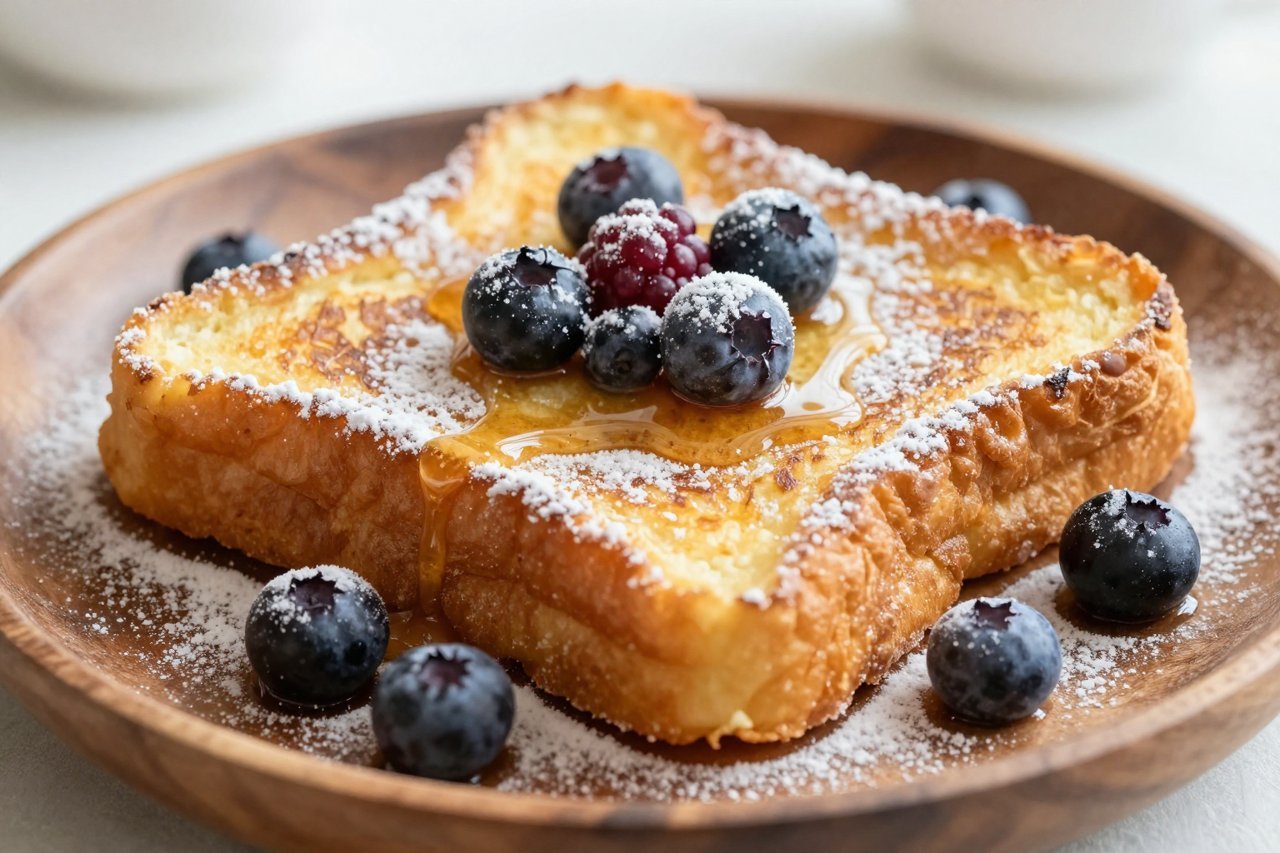
When using brioche, slice it thick—about 1.5 inches—to give the custard time to penetrate without oversaturating. Let the slices sit in the custard for 20–30 seconds per side, no longer. Because brioche is rich, it pairs beautifully with lighter toppings like fresh berries, a dusting of powdered sugar, or a drizzle of maple syrup. If you’re feeling indulgent, a dollop of whipped cream or a scoop of vanilla ice cream works too.

Challah: The Slightly Less Rich Cousin
Challah is another egg-enriched bread, but it typically contains less butter and sugar than brioche. Its braided shape gives it a slightly firmer texture, which holds up well to soaking. The subtle sweetness of challah allows the custard flavors—vanilla, cinnamon, nutmeg—to shine without being overwhelmed.
Challah works best when it’s a day or two old. Fresh challah is too soft and may disintegrate. Slice it into 1-inch thick rounds and soak for about 30 seconds per side. The result is a French toast that’s tender but still has some chew, perfect for pairing with savory sides like bacon or scrambled eggs.
Sourdough: The Tangy Wildcard
Sourdough might seem like an odd choice, but it’s a favorite among those who prefer a less sweet breakfast. The tangy flavor of sourdough cuts through the richness of the custard and creates an unexpected but delightful contrast. Its dense, chewy crumb absorbs custard well without becoming soggy, and the crust crisps up beautifully in the pan.
For sourdough, opt for a loaf that’s at least two days old. The staler the better. Cut it into 1-inch slices and soak for 45–60 seconds per side. Sourdough pairs wonderfully with savory toppings like fried eggs, avocado, or a sprinkle of flaky sea salt. If you prefer sweet, try a drizzle of honey or a fruit compote to balance the tang.
Texas Toast: The Convenient Thick-Cut Option
Texas toast is essentially white bread cut extra thick—usually about 1.5 inches. It’s widely available, affordable, and consistent. The high crust-to-crumb ratio means you get a satisfying crunch on the outside while the inside stays soft. However, because it’s a plain white bread, it lacks the richness of brioche or challah, so you’ll need a flavorful custard and generous toppings.
Texas toast absorbs custard quickly, so a 15–20 second soak per side is enough. It’s a great canvas for creative toppings like Nutella, peanut butter, or a cinnamon-sugar coating. If you’re in a hurry, Texas toast delivers reliable results every time.
French Baguette: A Crusty Surprise
A day-old baguette might be the most underrated choice. Its dense crumb and thick crust create a French toast that’s crunchy on the outside and chewy on the inside. The long, thin shape makes it perfect for slicing on the bias into oval pieces, which look elegant on the plate.
Because baguettes are dry, they need a longer soak—at least one minute per side. The custard should be slightly thinner (add a splash of milk) to penetrate properly. A baguette French toast is excellent with a simple dusting of powdered sugar and a side of fresh fruit. It’s also a great way to use up leftover bread from dinner the night before.
What to Avoid: Breads That Don’t Work
- Fresh, soft sandwich bread: Too airy and moist; it turns to mush instantly.
- Whole-grain or seedy breads: The seeds and dense grains create uneven soaking and a gritty texture.
- Rye or pumpernickel: Their strong flavors clash with traditional custard spices.
- Gluten-free breads: Most are too fragile and fall apart unless specially formulated for soaking.
The Science of Stale Bread
Stale bread is actually better for French toast. As bread sits, it loses moisture, and its starch molecules recrystallize. This makes the bread firmer and more absorbent, allowing it to soak up custard without disintegrating. A day-old loaf is ideal, but you can speed up the process by leaving slices out on the counter for a few hours or toasting them lightly before soaking.
If you only have fresh bread, don’t despair. Spread the slices on a baking sheet and bake at 300°F for 5–7 minutes, flipping once. This dries out the surface without cooking the interior. Let them cool before dipping.
Custard Ratios and Soaking Times
The perfect custard is a balance of eggs, milk, and flavorings. A standard ratio is 1 large egg per 1/2 cup of milk. For a richer custard, use half-and-half or add an extra yolk. Whisk in a teaspoon of vanilla extract, a pinch of salt, and a teaspoon of cinnamon or nutmeg. Some recipes call for a tablespoon of sugar, but if you’re using brioche or challah, you can skip it.
Soaking times vary by bread:
- Brioche/challah: 20–30 seconds per side
- Sourdough: 45–60 seconds per side
- Texas toast: 15–20 seconds per side
- Baguette: 60–90 seconds per side
Always soak both sides evenly. Let excess custard drip off before placing the bread in the pan.
Cooking Tips for Golden Perfection
Use a heavy-bottomed skillet or griddle over medium heat. Butter or a neutral oil with high smoke point (like avocado oil) works best. Cook each slice for 2–3 minutes per side until deep golden brown. Don’t press down on the bread—it squeezes out the custard. If you’re making a large batch, keep finished slices warm in a 200°F oven on a wire rack (not a plate, which traps steam and makes them soggy).
For extra indulgence, try a “stuffed” French toast: make a sandwich with cream cheese, jam, or Nutella between two slices of bread, then soak and cook as usual. It’s a decadent twist that’s surprisingly easy.
Regional Variations and Global Inspirations
French toast isn’t just a North American staple. In France, it’s called pain perdu (“lost bread”) and traditionally made with stale baguette or brioche. In Hong Kong, French toast is deep-fried, stuffed with peanut butter or kaya jam, and served with butter and syrup. In Portugal, rabanadas are soaked in wine or milk, fried, and dusted with cinnamon sugar—a holiday favorite that’s part of the country’s rich culinary tradition. If you’re curious about other Portuguese dishes, check out The Best Portuguese Food: 31+ Traditional Dishes You Have to Eat.
Similarly, Cuban cuisine offers torrejas, a sweet French toast often soaked in anise-flavored syrup. You can explore more Cuban flavors in The Best Cuban Food: 23 Traditional Dishes You Have to Try. And of course, French cuisine itself has countless variations, from croissant French toast to brioche perdue. For a deeper dive, read The Ultimate Guide to French Food: 31+ Must-Try Dishes.
Pairing French Toast with Toppings and Sides
The best bread for French toast deserves equally thoughtful toppings. Classic maple syrup is always a winner, but consider these ideas:
- Fresh fruit: Sliced bananas, strawberries, blueberries, or sautéed apples.
- Whipped cream or crème fraîche: Adds richness and tang.
- Nut butters: Almond or peanut butter spread on warm toast.
- Compotes and jams: Raspberry, apricot, or fig preserves.
- Savory options: Crispy bacon, fried eggs, or a sprinkle of smoked paprika.
If you’re hosting brunch, set up a French toast bar with multiple breads and toppings—guests can customize their own plates. It’s a fun, interactive way to enjoy breakfast and a great excuse to try different breads.
Storage and Reheating
Leftover French toast can be refrigerated for up to three days or frozen for up to three months. To reheat, pop slices in a toaster or toaster oven until crispy. Avoid microwaving, which turns the crust rubbery. For a quick weekday breakfast, make a batch on Sunday and reheat a few slices each morning. It’s almost as good as fresh.
You can also freeze uncooked, custard-soaked bread slices. Arrange them in a single layer on a baking sheet, freeze until solid, then transfer to a freezer bag. Cook directly from frozen—add an extra minute per side.
Final Thoughts on Choosing Your Bread
After testing countless loaves, I keep coming back to brioche for special occasions and sourdough for everyday breakfasts. But the best bread for French toast is ultimately the one that suits your taste and texture preferences. Don’t be afraid to experiment with day-old croissants, cinnamon raisin bread, or even leftover cornbread (yes, it works!).
What matters most is the quality of the bread, its age, and how you treat it. A little planning—staling the bread, getting the custard ratio right, and cooking over steady heat—pays off in a breakfast that feels both familiar and extraordinary. So next time you’re at the bakery, grab an extra loaf and let it sit out overnight. Your French toast will thank you.


