
Table of Contents
A Mediterranean cruise is more than a vacation—it’s a journey through layers of history, culture, and cuisine. With over a dozen countries bordering this ancient sea, choosing a route can feel overwhelming. But with a bit of planning, you can craft an itinerary that balances iconic sights with hidden gems.
Why Choose a Mediterranean Cruise?
Unlike a land-based trip, a cruise lets you unpack once while waking up in a new port each morning. You’ll cover more ground without the hassle of trains, planes, and hotel check-ins. Plus, the onboard experience—from sunrise yoga on deck to regional cooking classes—adds a layer of comfort to your adventure.
Top Mediterranean Cruise Routes
Most Mediterranean cruises fall into three main regions: Western, Eastern, and Adriatic. Each offers a distinct flavor.
Western Mediterranean: Classics and Coastlines
This is the most popular route, often starting in Barcelona or Rome (Civitavecchia). You’ll hit the French Riviera, Italian ports like Livorno (for Florence and Pisa) and Naples (for Pompeii and the Amalfi Coast), plus the islands of Mallorca and Sicily. A typical 7-night sailing might include Marseille, Genoa, and Palma de Mallorca. Don’t skip the lesser-known port of Cagliari in Sardinia—its white sand beaches rival the Caribbean.

Eastern Mediterranean: Ancient Wonders and Island Hopping
From Venice or Athens, these cruises explore Greece, Turkey, and sometimes Israel or Egypt. Santorini’s caldera, Mykonos’ windmills, and Ephesus’ ancient ruins are highlights. Many lines offer overnight stays in Istanbul, letting you explore the Hagia Sophia and Grand Bazaar without rushing.
Adriatic and Greek Isles: Smaller Ships, Bigger Charm
For a more intimate experience, consider a smaller ship that can dock in ports like Dubrovnik, Korčula, and Kotor. These itineraries focus on Croatia, Montenegro, and the Greek islands. The difference between cabin charter and private gulet becomes clear here—gulet charters offer flexibility to explore secluded coves that larger ships can’t reach.
Best Time to Cruise the Mediterranean
The season runs from April to October, with peak crowds in July and August. For pleasant weather and fewer tourists, aim for May or September. Water temperatures are warm enough for swimming, and prices are lower. In October, you might catch olive harvest festivals in Italy and Greece.
Must-See Ports and Excursions
While each port has its charm, a few stand out:
- Barcelona, Spain: Arrive a day early to see Gaudi’s Sagrada Familia and wander the Gothic Quarter. A tapas crawl near La Boqueria market is a must.
- Cinque Terre, Italy (from La Spezia): Hike between the five colorful villages or take the train. Book tickets early—these narrow paths get crowded.
- Kotor, Montenegro: The bay resembles a fjord. Climb the 1,350 steps to the fortress for a panoramic view, then explore the old town’s cat-filled alleys.
- Ephesus, Turkey (from Kusadasi): Walk the marble streets of this ancient Roman city. The Library of Celsus is breathtaking at sunset.
What to Pack for a Mediterranean Cruise
Beyond the usual cruise essentials, consider these specifics:
- Comfortable walking shoes: Ports like Naples involve cobblestones and steep hills.
- Light layers: Even summer evenings can be cool at sea.
- Swimwear and cover-up: Many ships have pools, but you’ll also want it for beach stops.
- Adapters and converters: European outlets (two round pins) are standard.
- A reusable water bottle: Tap water is safe in most ports, and you can refill onboard.
Choosing a Cruise Line
Mainstream lines like Royal Caribbean and MSC offer large ships with endless activities—great for families. For a quieter, more refined experience, consider Celebrity or Holland America. If you’re seeking a true luxury escape, our guide to luxury cruises covers lines like Regent Seven Seas and Seabourn, which include all excursions and fine dining.
Tips for First-Timers
A few practical pointers can make your trip smoother:
- Book shore excursions early: Popular ones sell out. But don’t overplan—leave some days to wander on your own.
- Get travel insurance: Medical evacuations in Europe can be costly. Ensure your policy covers cruise-specific issues like missed ports.
- Learn a few phrases: “Grazie” and “Efharisto” go a long way in Italy and Greece.
- Pack a small day bag: Many ports require you to carry everything you need for the day.
Off-the-Beaten-Path Experiences
Beyond the usual stops, consider these unique activities:
- Visit Procida, Italy: This colorful island near Naples is less touristy than Capri. Capri without the crowds is possible if you arrive early, but Procida offers a more authentic slice of Italian life.
- Explore the lesser-known Greek islands: Instead of Santorini, try Milos or Folegandros. Their volcanic landscapes and quiet beaches are stunning.
- Take a cooking class in Tunisia: If your cruise stops in Tunis, learn to make couscous and brik in a local home.
Dining and Cuisine on Board
Mediterranean cruises often feature regional dishes in their main dining rooms. Look for menus with fresh seafood, olive oil, and local wines. Some ships offer specialty restaurants with views of the sea—perfect for a romantic evening. If you’re on a luxury line, the culinary experience can be a highlight in itself.
Sustainable Cruising in the Mediterranean
The Mediterranean is a fragile ecosystem. Choose a cruise line with strong environmental policies, like those that use shore power or reduce single-use plastics. You can also offset your carbon footprint by booking with companies that support marine conservation. Small gestures—like avoiding plastic bottles and respecting wildlife—help preserve these waters for future travelers.
The Magic of a Mediterranean Sunset
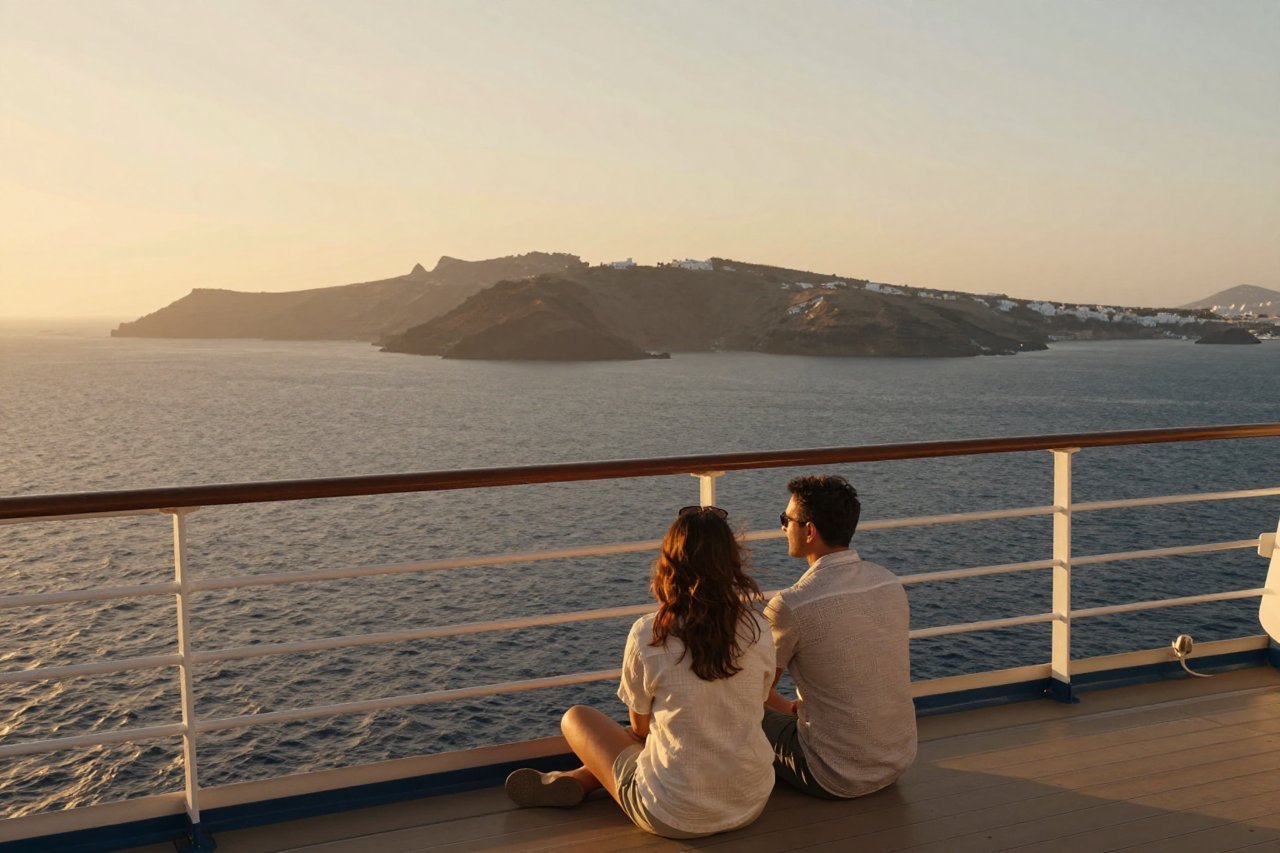
Perhaps the most memorable part of any Mediterranean cruise is the golden hour. As the sun dips behind a Greek island or the coast of Sicily, the sky turns shades of pink and orange. Grab a drink from the bar, find a quiet spot on deck, and watch. It’s a moment that reminds you why you came—and why you’ll return.


