
Table of Contents
Your heart beats about 100,000 times a day, pumping blood through 60,000 miles of vessels. That relentless rhythm depends on steady fuel. And while exercise, sleep, and stress management all matter, the foods for heart health you choose at the grocery store are the foundation.
Research repeatedly shows that a diet rich in whole plant foods, lean proteins, and healthy fats can lower blood pressure, reduce LDL cholesterol, and tame inflammation. But what does that look like on an actual plate? Let’s break down the evidence and the foods that deserve a regular spot in your kitchen.
What Makes a Food Heart-Healthy?
Before we look at specific foods, it’s worth understanding the criteria. Cardiologists and dietitians look for foods that help with three things: managing cholesterol, controlling blood pressure, and reducing oxidative stress.
That means prioritizing items high in soluble fiber, omega-3 fatty acids, potassium, magnesium, and antioxidants. It also means avoiding things that undermine those benefits: excess sodium, added sugars, and refined grains. This is why a food like avocado gets the green light while white bread does not, even if both are plant-based.

The Top Foods for Heart Health You Can Actually Find
Here’s the good news: you don’t need exotic superfoods. Most of the evidence points to everyday items that are affordable and widely available.
Oats and Other Whole Grains
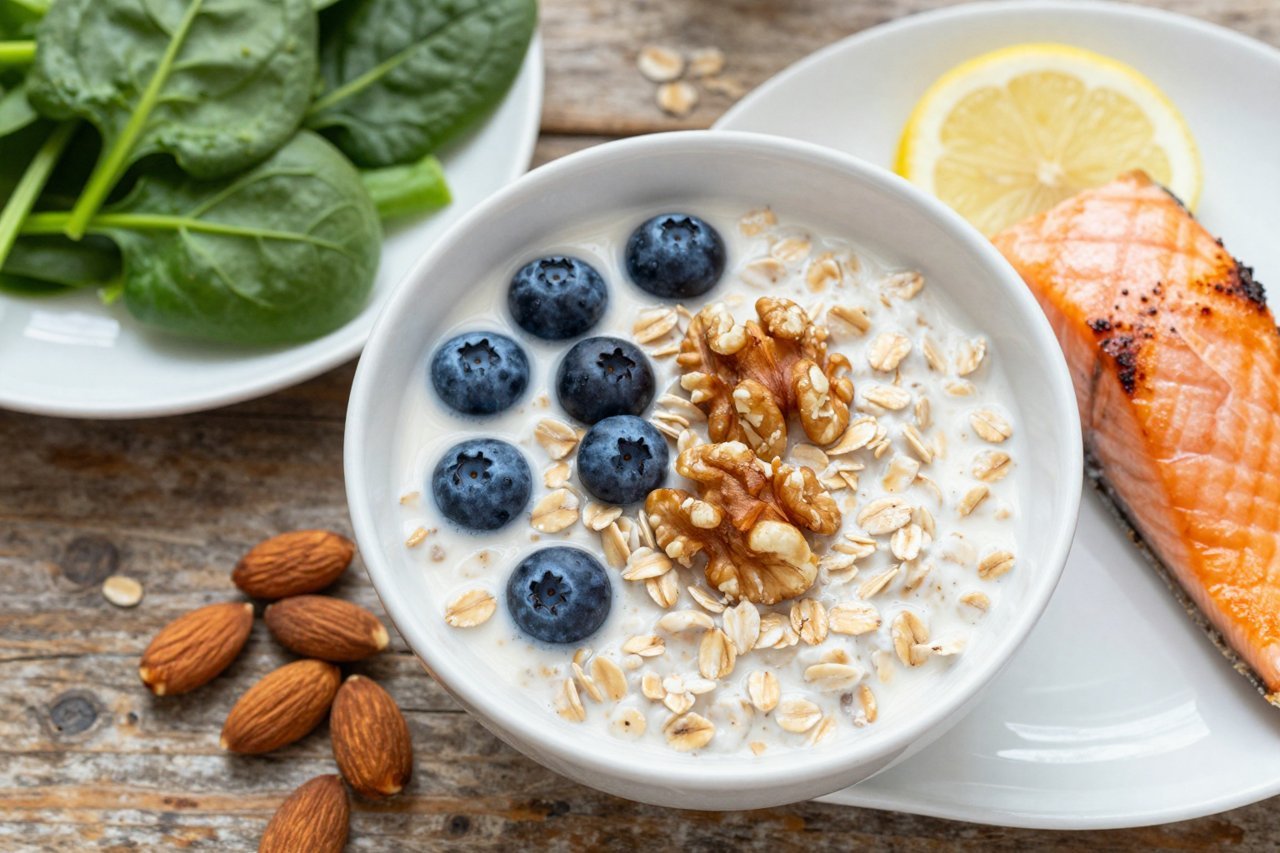
A bowl of oatmeal takes about five minutes to make and delivers a solid dose of beta-glucan, a type of soluble fiber that binds to cholesterol and helps your body excrete it. Studies suggest that eating 3 grams of beta-glucan daily can lower LDL cholesterol by up to 10%. That’s about one and a half cups of cooked oats.
Other whole grains such as barley, quinoa, brown rice, and buckwheat offer similar benefits. Swap refined rice and bread for these and your heart will feel the difference over time. If you’re building a broader nutrition plan, the practical guide to eating for a healthier heart covers exactly how to structure those swaps.
Fatty Fish: The Omega-3 Heavyweights
Salmon, mackerel, sardines, and trout are packed with EPA and DHA, the long-chain omega-3 fatty acids that lower triglycerides, reduce blood pressure, and keep your heartbeat steady. The American Heart Association recommends at least two 3.5-ounce servings of fatty fish per week.
If you’re not a fish fan, you can get a smaller amount of ALA from flaxseeds, chia seeds, and walnuts. But the research is strongest for fish. Try a simple weeknight dinner: bake a salmon fillet at 400°F for 12 minutes, squeeze lemon over it, and serve with roasted broccoli.
Leafy Greens and Colorful Vegetables
Spinach, kale, Swiss chard, and arugula are high in dietary nitrates, which your body converts to nitric oxide. Nitric oxide relaxes blood vessels, improving blood flow and reducing strain on your heart. In fact, a 2022 meta-analysis found that higher leafy green consumption was linked to a 15% lower risk of cardiovascular disease.
Aim for at least one cup of raw or half a cup of cooked leafy greens a day. Toss them into scrambled eggs, blend them into smoothies, or sauté them with garlic and olive oil.
Berries: The Antioxidant Powerhouses
Blueberries, strawberries, and raspberries are loaded with anthocyanins, the pigments that give them their deep red and purple colors. These compounds help lower oxidative stress, protect the inner lining of your arteries, and even reduce LDL oxidation.
One long-term study in the BMJ followed over 90,000 nurses and found that people who ate three or more servings of berries per week had a 34% lower risk of heart attack. Frozen berries work just as well as fresh, so there’s no excuse to skip them in winter.
Nuts, Seeds, and Healthy Fats
Almonds, walnuts, pistachios, and peanuts (yes, technically legumes) all show cardiovascular benefits. A 2019 study in the Journal of the American College of Cardiology found that eating nuts at least twice a week was associated with a 15% lower risk of coronary heart disease. Nuts are calorie-dense, so stick to a small handful, about a quarter cup, as a snack.
Extra virgin olive oil is another cornerstone. Replacing just half of your daily saturated fat with olive oil was shown to lower heart disease risk by 15% in a 2020 study. Use it in salad dressings, drizzled over pasta, or for low-heat cooking.
Beans, Lentils, and Legumes
These plant-based proteins bring a double benefit: soluble fiber and resistant starch, both of which improve cholesterol and blood sugar control. A systematic review in the American Journal of Clinical Nutrition found that eating one serving of legumes a day reduced LDL cholesterol by about 5%, enough to cut cardiovascular risk by 5-6%.
If you manage diabetes or prediabetes, legumes are especially valuable. The same principles apply in our article on foods for diabetes, which covers the best choices for stable blood sugar, many of which also benefit your heart.
What About Meat and Dairy?
You don’t need to go fully plant-based to protect your heart. But the type and amount matter. Lean poultry and unprocessed meat are fine in moderation. The real culprits are processed meats like bacon, sausage, and deli turkey, which are loaded with sodium and preservatives. Each 50-gram serving of processed meat (about two slices of bacon) is linked to an 18% increase in cardiovascular risk.
For dairy, choose unsweetened yogurt, kefir, and cheese in small amounts. Fermented dairy contains probiotics that may help lower blood pressure, but keep an eye on sodium and saturated fat. A serving of yogurt in the morning with berries and walnuts is a solid heart-protective breakfast.
Building Your Plate: A Simple Visual Guide
Rather than counting grams of every nutrient, use a simple rule. Fill half your plate with non-starchy vegetables, a quarter with whole grains or starchy vegetables, and a quarter with a lean protein like fish, beans, or chicken. Add a small amount of healthy fat, such as a drizzle of olive oil or a tablespoon of seeds.
This approach naturally keeps calories in a reasonable range, which matters because excess weight is a major strain on the heart. If you’re curious about how calorie density plays into this and how to avoid obsessing over it, the article on calories in foods and what really matters explains the nuance.
Make It Sustainable Without Overhauling Your Life
Knowing the top foods for heart health is one thing; actually eating them consistently is another. Don’t fall for the all-or-nothing trap. You can make a difference with a few targeted changes:
- Start with breakfast: swap a sugary cereal for oats with berries and ground flaxseed.
- Snack smarter: replace chips or crackers with a handful of unsalted almonds or a piece of fruit.
- Choose beans twice a week: add black beans to a soup or salad instead of ground beef.
- Keep a bag of frozen salmon fillets in your freezer for easy last-minute dinners.
- Cook with olive oil instead of butter.
These small shifts can lower your risk without making you miserable. The same philosophy of realistic, low-fuss change runs through our practical guide to healthy eating without the overwhelm.
And if you’re thinking long-term, these protective eating patterns do more than just guard your heart. A diet built on whole foods, healthy fats, and plenty of plants is also one of the strongest tools for eating for longevity, with real-world nutrition that adds years to your life. The overlap is huge, which makes the effort worthwhile.
Listen to Your Body and Your Blood Work
No single food is a magic bullet. The cumulative effect of your weekly eating pattern matters far more. Some people see cholesterol numbers improve within three to four weeks of cutting processed foods and adding oats, fish, and greens. Others need longer. That’s okay, because your heart didn’t get into trouble overnight, and it won’t fix itself overnight either.
Work with your doctor to track blood pressure, cholesterol, and triglycerides. Use those numbers as feedback, not punishment. If your LDL is high, double down on soluble fiber. If blood pressure is creeping up, boost potassium-rich foods like leafy greens, beans, and sweet potatoes. If triglycerides are elevated, cut back on sugar and refined carbs and increase your omega-3 intake.
It’s that iterative process that turns a list of foods for heart health into a way of eating that actually works. Start with one meal. Then one day. Then one week. Your heart is doing its part with every beat, so it’s only fair to give it the right fuel in return.


