
Table of Contents
Managing diabetes doesn’t mean living on plain chicken breast and sad salads. The best foods for diabetes are often the same foods that make anyone feel great. The trick is knowing which ones work hardest to keep blood sugar steady. Whether you’re newly diagnosed or you’ve been managing type 2 diabetes for years, small changes to your plate can produce big shifts in energy, cravings, and HbA1c.
What Makes a Food Diabetes-Friendly?
Three things matter most: the glycemic index (GI), fiber content, and the balance of protein and fat. Foods with a lower GI release glucose slowly, so your blood sugar doesn’t spike and crash. Fiber slows digestion even more, while protein and fat help you feel full and reduce the overall glycemic load of a meal.
That doesn’t mean you have to memorise nutrient charts. Once you get the pattern down, you’ll automatically reach for a handful of almonds instead of pretzels, or swap white rice for barley without a second thought.
The Vegetables That Deserve a Permanent Spot on Your Plate
Leafy Greens and Cruciferous Vegetables
Spinach, kale, Swiss chard, broccoli, and Brussels sprouts are the absolute MVPs of a diabetes-friendly diet. They’re extremely low in carbs, packed with fibre, and rich in magnesium. Magnesium deficiency is surprisingly common in people with type 2 diabetes, and low levels are linked to poorer blood sugar control. If you’ve been ignoring symptoms like muscle cramps, fatigue, or poor sleep, it may be worth checking this list of magnesium deficiency symptoms you might be ignoring. Adding more leafy greens to your meals is one of the easiest ways to boost your intake.

Non-Starchy Vegetables
Fill at least half your plate with vegetables that grow above ground. These include peppers, zucchini, cauliflower, eggplant, asparagus, green beans, and mushrooms. They add volume and crunch without loading up on carbohydrates, and they’re naturally rich in antioxidants that fight the oxidative stress diabetes causes.
A simple trick: roast a large tray of mixed vegetables at the start of the week, then toss a handful into eggs, stir-fries, or salads. Prepped veggies make healthy choices the easy choice.
Protein Foods That Steady Blood Sugar
Protein doesn’t just keep you full; it helps flatten the post-meal glucose curve. When you pair a carbohydrate with a protein, the rise in blood sugar is slower and steadier.
Fish and Shellfish
Fatty fish like salmon, sardines, mackerel, and trout are rich in omega-3 fatty acids, which lower inflammation and support heart health. People with diabetes are at higher risk for heart disease, so this double duty matters. If you’re not a fish person, shrimp, scallops, and tuna also work. The anti-inflammatory effects of a diet rich in these foods are worth exploring in more detail, especially since chronic inflammation is a hidden driver of insulin resistance. For a deeper look at how to eat for less inflammation, check out this guide to anti-inflammatory foods.
Eggs and Lean Poultry
Eggs are a fantastic breakfast for diabetics. Whole eggs contain protein, choline, and antioxidants that protect your eyes and liver. A large egg has less than 1 gram of carbohydrate, so they’re an incredibly safe choice. Chicken and turkey breast are also lean protein powerhouses, especially when roasted or grilled rather than breaded or fried.
Beans, Lentils, and Chickpeas
Plant-based proteins are weirdly underrated for diabetes. Lentils, chickpeas, black beans, and kidney beans deliver protein and fibre in equal measure. They also have a very low glycemic index, making them one of the most filling foods you can eat. Because they’re so high in fibre, they’re also great for your gut. The community of good bacteria in your digestive tract loves fermentable fibre, and a healthier gut microbiome is linked to better insulin sensitivity. If you want to understand how to eat more of this type of fibre without feeling bloated, this practical guide to foods high in fiber is a great starting point.
Smart Carbs: Whole Grains and Beyond
Carbohydrates aren’t the enemy. The problem is the type and the amount. Highly refined carbs like white bread, pastries, and sugary cereals hit your bloodstream like a wave. Intact whole grains, on the other hand, come with their natural fibre and nutrients still in place.
Some of the best choices for blood sugar control are:
- Barley
- Quinoa
- Steel-cut oats
- Farro
- Brown or wild rice
- Buckwheat
These grains release their glucose slowly because fibre slows down digestion. A 2017 review of randomised trials found that replacing white rice with whole grains significantly reduced both fasting glucose and HbA1c. So swap your usual side for a spoonful of barley or quinoa and you’ll barely feel the difference.
Fruits You Can Actually Enjoy
Fruit is not forbidden. Some fruits spike blood sugar more than others, but you don’t need to cut them out. The key is portion control and choosing fruits with a lower glycemic load.
Berries are the gold standard. Strawberries, blueberries, raspberries, and blackberries are high in fibre and antioxidants but relatively low in natural sugar. A half cup of blueberries has about 10 grams of carbs, and paired with plain yogurt, it feels like a dessert.
Apples and pears, eaten with the skin, also pack a good fibre punch. Citrus fruits like oranges and grapefruit are fine too, but watch the portion. A whole orange is better than a glass of orange juice, because the juice removes the fibre and makes the sugar far more accessible. The same logic applies to fruit smoothies at coffee shops. A smoothie can easily contain the sugar equivalent of four or five pieces of fruit.
Healthy Fats That Support Insulin Sensitivity
Fat doesn’t directly raise blood sugar, but it helps you feel full and can reduce the cravings that usually lead to unhealthy snacks. The key is choosing unsaturated fats over trans and saturated fats.
Avocado is a superstar. Half an avocado adds 5 grams of fibre and plenty of heart-healthy monounsaturated fat to a salad or sandwich. Nuts and seeds (especially walnuts, almonds, chia seeds, and flaxseeds) are also excellent. A small handful of almonds has a low glycemic index and is linked to better morning fasting blood sugar in some studies.
Olive oil, particularly extra-virgin, is a staple of the Mediterranean diet, which is one of the most studied and effective eating patterns for type 2 diabetes. Olive oil’s polyphenols help reduce inflammation and protect your blood vessels. If you want to see the bigger picture of how a low-inflammatory diet can improve your insulin sensitivity, read about the anti-inflammatory diet. It’s a simple framework you can adapt to your own tastes.
What About Drinks?
Liquid sugar is the sneakiest source of empty carbs. A can of regular soda delivers about 40 grams of sugar with no fibre, no protein, and no fat to slow absorption. That’s a recipe for a massive spike.
Water, sparkling water, and unsweetened tea are perfect. Coffee, in moderation, has actually been linked to a lower risk of type 2 diabetes, and some research suggests it improves insulin sensitivity. Just be careful with the sugar and cream. A splash of milk and a sprinkle of cinnamon is all you need.
If you’re craving something sweet, try a cup of herbal tea or a glass of cold water infused with cucumber, mint, or lemon. The flavour replaces the need for sugar.
Building Your Plate: A Simple Approach
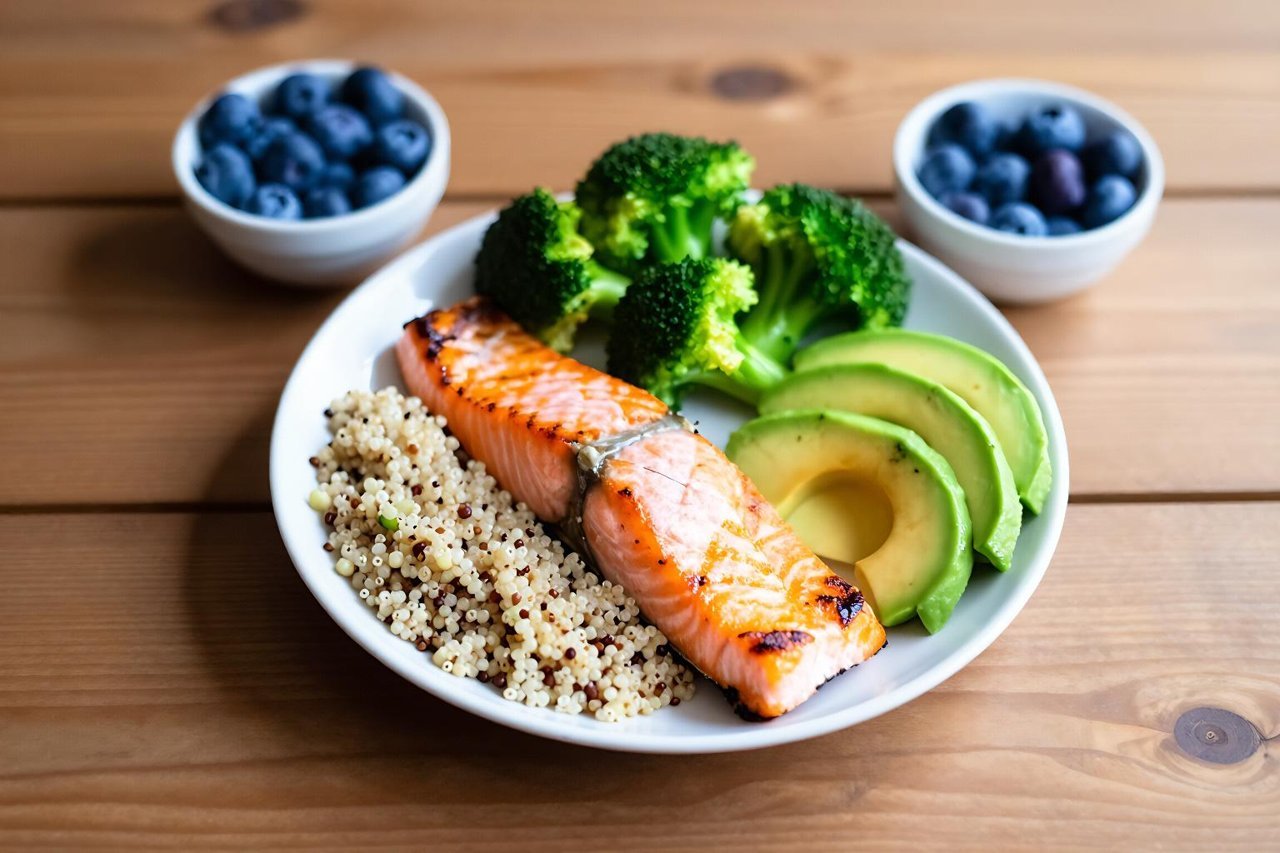
You don’t need a nutritionist to know what a good diabetic plate looks like. Use the visual method:
- Divide your plate in half. Fill that half with non-starchy vegetables.
- Use one quarter for lean protein (fish, chicken, eggs, tofu, or beans).
- Use the remaining quarter for whole grains, starchy vegetables like sweet potato, or fruit.
- Add a bit of healthy fat like avocado, olive oil, or a handful of nuts.
Notice what’s missing: bread as a part of the meal, sugary drinks, and processed snacks. That’s the other half of the battle. The best diet for diabetes is also a diet that supports your gut and your overall health. Since your gut bacteria and blood sugar are closely connected, you might be surprised how much you can improve both by adding more fermented foods and fibre. If you’re curious about the link, take a look at how certain foods support gut health and why that matters for your metabolic health.
One thing to remember is that everyone’s body reacts a little differently. A food that works for one person might raise your blood sugar more than expected. The smartest approach is to test your glucose after meals, keep a simple log, and notice patterns. Over time, you’ll build your own personalised list of foods for diabetes that keep you energised, satisfied, and in control.


