
Table of Contents
Most of us want to live a long, healthy life. The question is: what should we actually eat for longevity? It’s easy to get caught up in fads, but the research points to a simpler pattern. Instead of chasing a single ‘superfood’, the world’s longest-living populations share a common set of food choices. This article breaks down the most evidence-backed foods for longevity, and how to add them to your daily life without overcomplicating things.
The Blueprint of a Longevity Diet
Before diving into specific ingredients, it helps to understand what makes a diet ‘pro-longevity’. It’s not about strict rules. A longevity diet is typically rich in fiber, polyphenols, and healthy fats, while being low in ultra-processed foods and added sugar. The Mediterranean way of eating is a perfect example, and you can see a week of meals in this realistic Mediterranean diet meal plan. This eating pattern has been repeatedly linked to lower risks of heart disease, type 2 diabetes, and certain cancers. The core principle? Eat mostly plants, with a moderate amount of fish, dairy, and extra virgin olive oil.
Plant Power: The Core of Longevity Foods
Leafy Greens and Cruciferous Vegetables
Dark leafy greens like spinach, kale, and Swiss chard are amongst the most nutrient-dense foods on the planet. They are packed with folate, vitamin K, and nitrates that support healthy blood pressure and blood vessel function. Cruciferous vegetables too (broccoli, cauliflower, Brussels sprouts) provide sulforaphane and other compounds that help the body combat oxidative stress. A practical goal: include at least one cup of leafy greens and one serving of cruciferous veggies each day.
Berries and Citrus
When nutritionists talk about aging well, berries often top the list. Blueberries, strawberries, and blackberries are rich in anthocyanins, which have been linked to improved memory and lower levels of inflammation. Citrus fruits also deserve attention: oranges, grapefruits, and lemons bring vitamin C and flavonoids that support collagen production and immune defense. Try adding a handful of berries to your oatmeal or a squeeze of lemon to your water.

Tropical Exotics: Papaya and Dragon Fruit
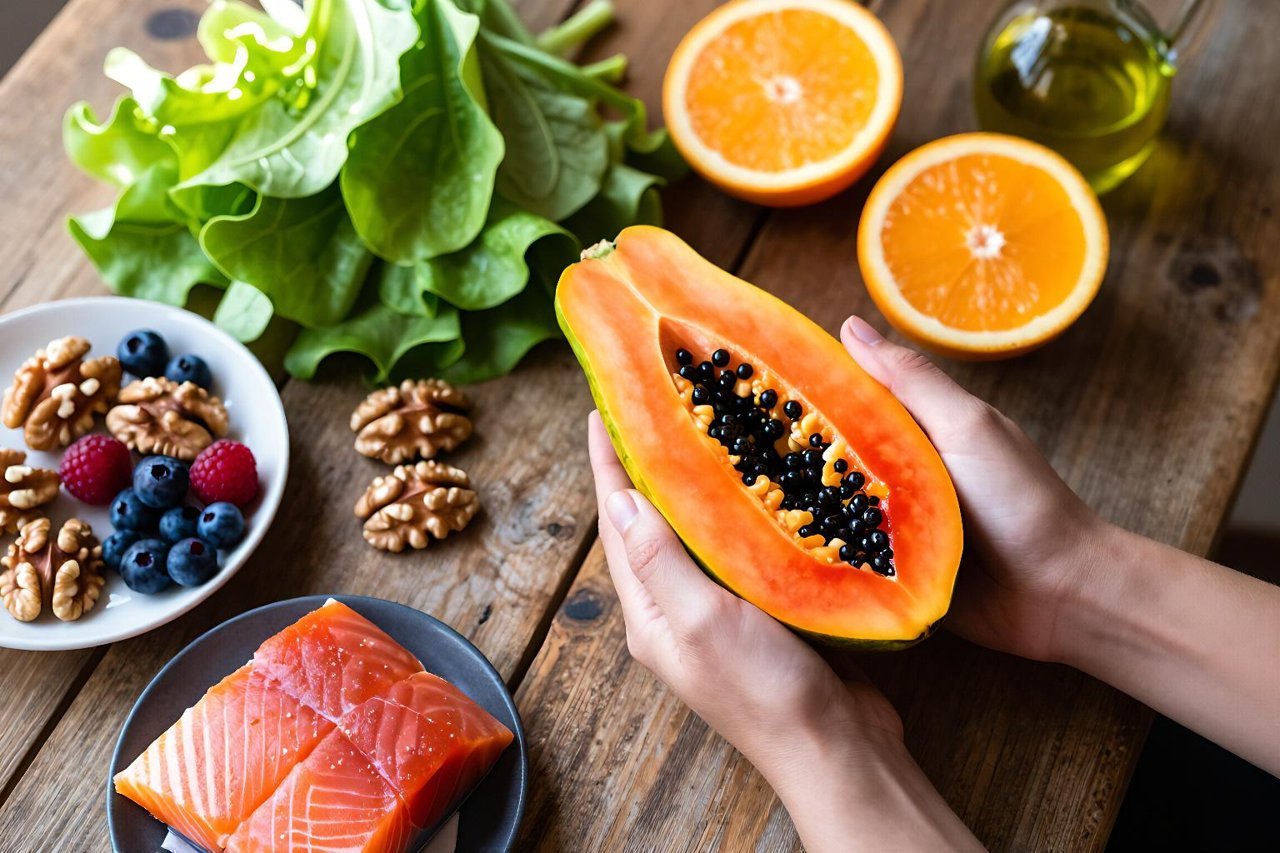
Some of the most powerful longevity foods come from tropical regions. Papaya, for example, is not just a tasty breakfast fruit. It contains papain, a digestive enzyme, alongside high levels of vitamin C and beta-carotene. The skin and heart also benefit from these nutrients, as outlined in these papaya health benefits. And then there’s dragon fruit. This striking pink fruit is loaded with prebiotic fiber and lycopene. Its antioxidants help protect cellular health, making it a smart addition to smoothies. If you’re new to it, you might be surprised at how well it pairs with mango and banana.
Protein: Quality Over Quantity
Protein is essential for maintaining muscle mass as you age, but the source matters more than many people think. Diets that rely heavily on processed red meat have been linked to higher rates of chronic disease. On the other hand, plant proteins from beans, lentils, chickpeas, and tofu supply both macronutrients and protective plant compounds. A growing body of research comparing vegan protein benefits to animal protein finds that a varied plant-based diet can support muscle health equally well, with the added bonus of dietary fiber. For animal sources, consider fatty fish like salmon or sardines two to three times a week. They bring omega-3 fatty acids and high-quality protein.
The Right Kind of Fats
Not all fat is bad – far from it. The longest-lived populations often eat generous amounts of extra virgin olive oil. This oil provides monounsaturated fats and polyphenols that fight inflammation. A large study found that participants who consumed more olive oil were less likely to die from cardiovascular disease compared to those who rarely ate it. Nuts and seeds are another fantastic base for your longevity diet. Almonds, walnuts, and flaxseeds deliver healthy fats, plant protein, and magnesium. Instead of reaching for processed snacks, keep a small jar of mixed nuts in your bag.
Fermented Foods for a Healthier Gut
Researchers are increasingly focused on the gut microbiome as a key driver of health and longevity. A diverse ecosystem of bacteria influences digestion, immunity, and even brain function. That’s where fermented foods come in. Yogurt, kefir, sauerkraut, kimchi, and miso introduce live probiotics into your system. The key word is ‘live’ – pick unpasteurized varieties to get the active cultures. Even a small serving of sauerkraut or a glass of kefir each day can help support a balanced gut.
Traditional Ingredients and Modern Research
Around the world, traditional medicine has used certain foods that we’re only now beginning to study in the lab. Black ant extract, for instance, has a long history in traditional Chinese medicine. Preliminary research suggests it may help reduce inflammation and improve energy metabolism. You can read more about the current science on black ant extract benefits. Even more familiar ingredients like ginger, turmeric, and garlic have well-documented antioxidant and anti-inflammatory effects. Including a diverse array of herbs and spices in your cooking is another easy way to boost the longevity potential of your meals.
Your ‘Anti-Aging’ Grocery List
Here is a simple, realistic list of foods for longevity to keep on your kitchen counter:
- Vegetables: spinach, kale, broccoli, cauliflower, peppers
- Fruits: berries, citrus, papaya, dragon fruit, apples
- Legumes: lentils, chickpeas, black beans, soybeans
- Nuts and seeds: walnuts, almonds, chia seeds, flaxseeds
- Fish: salmon, sardines, mackerel (2-3 servings a week)
- Fermented foods: plain yogurt, kefir, sauerkraut, kimchi
- Healthy oils: extra virgin olive oil, avocado oil
- Spices: turmeric, ginger, garlic, cinnamon
Don’t try to change everything overnight. Pick one or two items from each category and build meals around them. A handful of berries with breakfast, a spinach salad with olive oil at lunch, a piece of fish for dinner. That’s a longevity diet in action, and it’s something you can actually stick with for the long haul.


