
Table of Contents
Walk down the protein aisle and you’ll see dozens of tubs promising gains, recovery, and weight loss. But if you look closer, one type stands out: grass fed whey protein powder. It’s not just a marketing label. The difference between conventional whey and grass fed whey starts with what the cows eat, and that affects everything from the nutrient profile to how your body responds.
Whether you’re blending it into a post-workout shake, stirring it into oatmeal, or using it to bump up the protein in baked goods, the source matters. Here’s a detailed look at why grass fed whey protein powder is worth considering—and how to choose the best one for your needs.
What Exactly Is Grass Fed Whey Protein Powder?
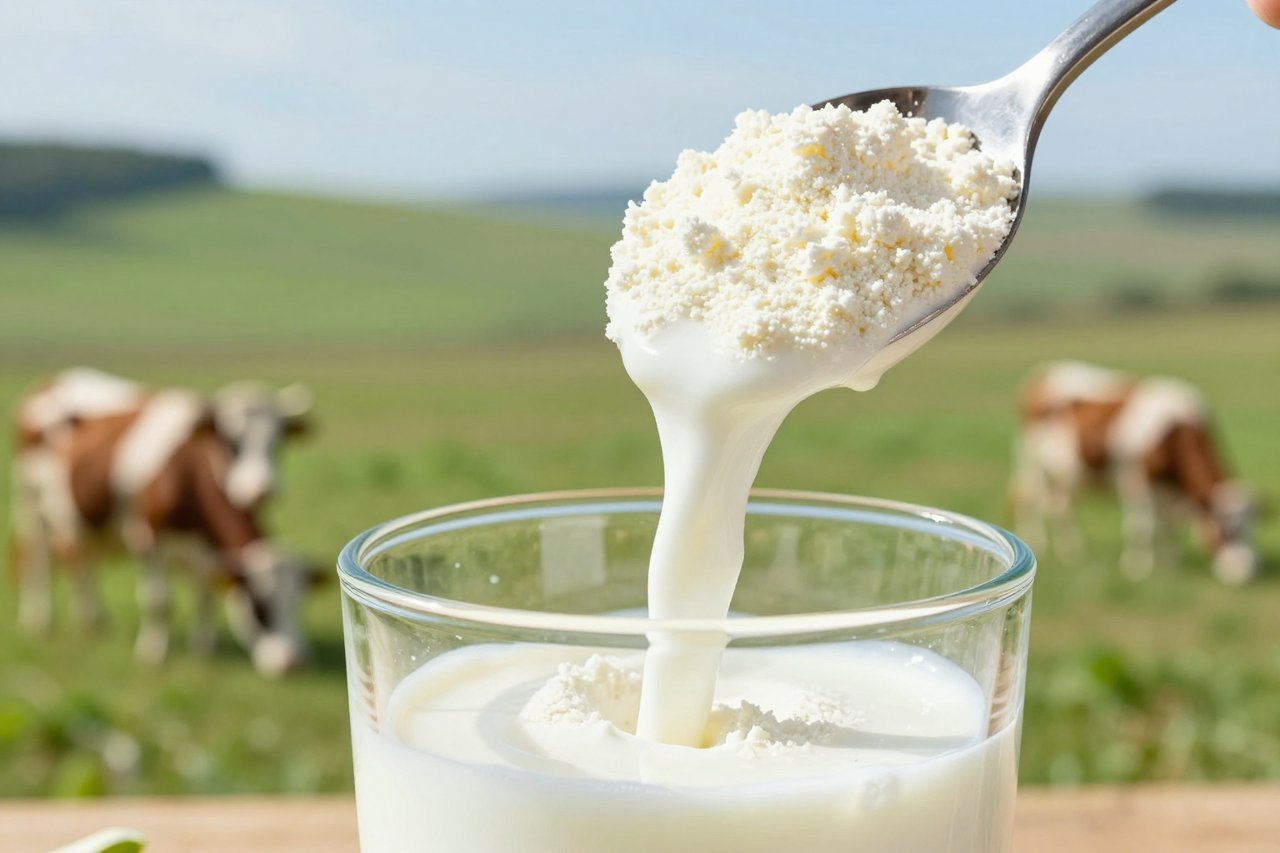
Grass fed whey comes from milk of cows that graze on pasture for most of their lives, rather than being confined to feedlots and fed grain-based diets. The term “grass fed” isn’t regulated as tightly as “organic,” but reputable producers follow standards like the American Grassfed Association (AGA) certification, which requires a 100% grass and forage diet, no antibiotics, and no added hormones.
The whey itself is a byproduct of cheese making. Once the milk is curdled, the liquid whey is separated, pasteurized, and filtered to concentrate the protein. Depending on the filtration method, you get either whey concentrate (about 70–80% protein by weight) or grass fed whey protein isolate, which undergoes additional processing to reach 90% or higher protein content with minimal lactose and fat.

Why the Cow’s Diet Matters
Pasture-raised cows produce milk with a different fatty acid and antioxidant profile compared to grain-fed cows. Studies show grass fed milk has higher levels of conjugated linoleic acid (CLA), a type of fat linked to improved body composition and immune function. It also contains more omega-3s and beta-carotene, which gives the whey a slightly yellowish hue.
For someone focused on muscle building or weight management, these extra nutrients can add up—especially if you’re consuming whey daily.
Nutritional Advantages of Grass Fed Whey
Grass fed whey protein powder isn’t a magic bullet, but the numbers are compelling. A typical 30-gram scoop of grass fed whey concentrate provides about 24 grams of protein, 2–3 grams of carbs, and 1–2 grams of fat. Isolate versions bump the protein to 27–28 grams per scoop while dropping carbs and fat even lower.
But beyond the macros, the amino acid profile matters. Whey is naturally rich in leucine, the branched-chain amino acid (BCAA) that triggers muscle protein synthesis. Grass fed whey tends to have slightly higher concentrations of leucine and other essential amino acids compared to conventional whey, likely because the cows’ natural diet supports better milk quality.
Less Antibiotics and Hormones
Conventional dairy operations often use rBST (recombinant bovine somatotropin) to boost milk production, along with routine antibiotics. Grass fed certification prohibits these practices. If you’re concerned about antibiotic resistance or artificial growth hormones, grass fed whey offers a cleaner choice.
Who Benefits Most from Grass Fed Whey Protein Powder?
It’s not just for bodybuilders. Grass fed whey fits a range of dietary needs:
- Athletes and active people – Fast digestion and high leucine content make it ideal for post-workout recovery.
- Those on a weight loss journey – Protein increases satiety and thermogenesis. Pairing whey with a balanced diet can help preserve lean mass while cutting calories. Check out the 15 best high protein foods for weight loss for more ideas.
- Vegetarians – Whey is a complete protein from a non-meat source, though it’s not vegan.
- People with mild lactose sensitivity – Isolate versions contain minimal lactose, often tolerable for those with mild issues.
How to Choose a High-Quality Grass Fed Whey
Not all grass fed labels are equal. Here’s what to look for:
1. Third-Party Certifications
Look for “Certified Grass Fed” by AGA or a similar organization. Some brands also carry organic certification, which ensures no synthetic pesticides or GMOs in the feed. Organic does not guarantee grass fed, so check both.
2. Minimal Ingredients
A clean whey should list just one or two ingredients: grass fed whey protein concentrate or isolate, and maybe sunflower lecithin for mixability. Avoid artificial sweeteners, flavors, or a laundry list of additives.
3. Processing Method
Cold-processed, microfiltered whey retains more of the beneficial subfractions like immunoglobulins and lactoferrin. These compounds support immune health and gut function. Heat processing can denature some of these delicate proteins.
Practical Ways to Use Grass Fed Whey Protein Powder
Getting 30–50 grams of protein from whole foods alone can be a challenge. Whey fills the gap conveniently. Here are a few ways to incorporate it beyond the basic shake:
- Morning coffee – Stir a scoop into hot coffee with a splash of milk. Use a frother to avoid clumps.
- Overnight oats – Mix with rolled oats, chia seeds, and milk. Let it sit overnight for a protein-packed breakfast.
- Pancakes or waffles – Replace a quarter of the flour with whey powder. Add a little extra liquid to balance moisture.
- Soup or stew – Whisk a scoop into warm broth after cooking to boost protein without altering flavor much.
For a broader list of protein-rich foods to pair with whey, see fuel your gains: the best high protein foods for muscle building.
Potential Downsides and Considerations
Grass fed whey protein powder is still a dairy product. If you have a confirmed milk allergy (not just lactose intolerance), avoid it. Also, the price is typically 20–40% higher than conventional whey. For many, the cleaner sourcing and nutritional edge justify the cost, but it’s worth comparing per-gram protein prices across brands.
Another factor: taste and texture. Grass fed whey can have a slightly grassy or creamy flavor that some people love and others find different. Vanilla or chocolate options are widely available if you’re sensitive to the natural taste.
Grass Fed Whey vs. Plant Proteins: Which Is Better?
Plant proteins (pea, rice, hemp) are excellent options, especially for vegans. But whey has a higher biological value—meaning your body absorbs and uses more of the protein. Whey also digests faster, which is advantageous right after a workout. If you’re not dairy-free, grass fed whey is a superior choice for muscle repair and growth.
That said, rotation is never a bad idea. Using whey post-workout and plant protein at other meals gives you the best of both worlds.
Frequently Overlooked: Storage and Shelf Life
Grass fed whey, especially concentrate, contains a little more fat than isolate, making it more prone to oxidation. Store it in a cool, dry place away from direct sunlight. An unopened tub lasts up to two years; once opened, use within three to six months for optimal freshness. If the powder develops a rancid smell or clumps excessively, it’s time to replace it.


