
Table of Contents
If you’re trying to cut calories without giving up sweets, fruit is your best friend. But not all fruits are created equal when it comes to calorie density. A single banana packs over 100 calories, while a cup of watermelon has about 45. So which fruits give you the most volume and nutrition for the fewest calories? Let’s count down the fruits with the least calories—perfect for weight loss, snacking, and satisfying your sweet tooth.
The Top Low-Calorie Fruits
These fruits all come in under 50 calories per 100 grams. That means you can eat a generous portion without blowing your daily budget.
Watermelon
Calories: 30 per 100g (about 1 cup diced)
Watermelon is the undisputed champion of low-calorie fruit. With 92% water content, it’s incredibly hydrating and filling for very few calories. A two-cup serving has only 80 calories—less than a single apple. Add watermelon to salads, blend into agua fresca, or simply eat it chilled on a hot day.

Strawberries
Calories: 32 per 100g (about 1 cup whole)
Strawberries are a powerhouse of vitamin C and antioxidants, yet they’re remarkably low in calories. One cup of whole strawberries has under 50 calories. Slice them over oatmeal, Greek yogurt, or eat them straight. For an extra treat, dip them in dark chocolate (just mind the extra calories).
Cantaloupe
Calories: 34 per 100g (about 1 cup cubed)
Also known as muskmelon, cantaloupe is rich in vitamin A and beta-carotene. One cup of diced cantaloupe provides more than 100% of your daily vitamin A needs for only about 60 calories. It’s delicious on its own or wrapped in prosciutto for a savory-sweet appetizer.
Peaches
Calories: 39 per 100g (about 1 medium peach)
A medium peach has around 60 calories. Peaches are packed with fiber, vitamin C, and antioxidants. Eat them fresh, grilled, or sliced into cottage cheese. In summer, frozen peach slices make a great low-calorie sorbet alternative.
Honeydew Melon
Calories: 36 per 100g (about 1 cup balls)
Honeydew is slightly sweeter than cantaloupe but equally low in calories. It’s good source of vitamin C and potassium. Use a melon baller for a fun presentation or blend into smoothies without adding much sugar.
Grapefruit
Calories: 42 per 100g (about half a grapefruit)
Grapefruit has long been associated with weight loss diets. Half a grapefruit has about 50 calories. Its tart flavor can curb sugar cravings. Sprinkle a little stevia or broil it with cinnamon for a warm dessert. If you take medications, check for interactions—grapefruit affects certain enzymes.
Other Honorable Mentions
- Blackberries: 43 calories per 100g
- Raspberries: 52 calories per 100g (still low compared to most fruits)
- Oranges: 47 calories per 100g
- Apples: 52 calories per 100g (a medium apple is about 95 calories, but the volume keeps you full)
How to Incorporate Low-Calorie Fruits into Your Diet
Knowing the numbers is one thing, but making these fruits part of your daily routine is another. Here are practical ways to enjoy them:
Morning Boost
Add a cup of strawberries or diced cantaloupe to your oatmeal or yogurt. You get natural sweetness without added sugar. For a more substantial breakfast, pair fruit with a high-protein option like eggs or cottage cheese—the protein keeps you satisfied longer.
Hydrating Snacks
Keep a bowl of watermelon cubes in the fridge. When you feel a craving for something sweet or need a post-workout refresher, grab a handful. The water content also helps with hydration, especially important during summer.
Salad Additions
Fruit salads are obvious, but try adding fruit to green salads. Sliced peaches or grapefruit segments with arugula, goat cheese, and a light vinaigrette make a refreshing main dish. The sweetness balances bitter greens.
Looking for more ways to boost fruit variety? Check out our guide on 17 Dragon Fruit Benefits for Health and Beauty—this tropical fruit is also relatively low in calories (about 60 per 100g) and offers unique antioxidants.
Frozen Treats
Freeze grapes, watermelon cubes, or peach slices for a cold, low-calorie dessert. You can also blend frozen fruit with a little water or unsweetened almond milk to create a “nice cream” that’s under 100 calories per serving.
Why Low-Calorie Fruits Are Great for Weight Management
These fruits share two key traits: high water content and high fiber. Both help you feel full without consuming many calories. The water physically expands the volume of the fruit in your stomach, while the fiber slows down digestion and stabilizes blood sugar.
A study published in Nutrition Journal found that eating low-calorie, high-fiber fruits before a meal reduced overall calorie intake by about 10%. That’s a simple strategy: start lunch with a bowl of mixed berries or a grapefruit half.
Pairing fruit with protein or healthy fat can further enhance satiety. For instance, apple slices with peanut butter (use portion control on the nut butter) or strawberries with a dollop of Greek yogurt. If you want to learn more about fiber, check out The Complete Guide to Dietary Fiber Supplements: Which One Is Right for You?—while whole fruit is best, supplements can help if you struggle to get enough.
Comparing Low-Calorie Fruits to Higher-Calorie Options
Bananas, mangoes, grapes, and dried fruits all pack more calories per gram. For example, a medium banana has about 105 calories, while a cup of grapes has around 100. That doesn’t mean you should avoid them; they offer valuable nutrients like potassium and vitamin C. But if you’re trying to stay within a specific calorie target, choose lower-calorie fruits more often.
One trap is fruit juices. A glass of orange juice (8 oz) has about 110 calories—the same as two whole oranges. But the liquid form lacks fiber and doesn’t satisfy hunger as well. Stick to whole fruits to get the most fullness for your calories.
Nutritional Benefits Beyond Calories
Low-calorie fruits are not just empty water—they’re nutrient dense. Strawberries and citrus fruits pack more vitamin C than many vitamin supplements. Cantaloupe is a top source of beta-carotene, which your body converts to vitamin A for eye health and immunity. Watermelon contains lycopene, an antioxidant linked to heart health and cancer prevention.
For even more antioxidant power, consider adding dragon fruit to your low-calorie fruit rotation. Learn all about its benefits in 15 Dragon Fruit Benefits Very Few Know—it’s low in calories, high in fiber, and rich in prebiotics.
Also, many of these fruits are heart-friendly. The potassium in watermelon and honeydew helps regulate blood pressure, while the flavonoids in berries support artery health. For a comprehensive heart-healthy eating plan, check out The Best Food Good for Heart: Eat Your Way to a Stronger Cardiovascular System.
If you’re focusing on muscle gain while losing fat, fruit can still fit in. Pair low-calorie fruits with a high-protein meal to support recovery without excess calories. For ideas, see The Ultimate High Protein Diet for Muscle Gain: A Practical Guide.
Making Low-Calorie Fruits Work for You
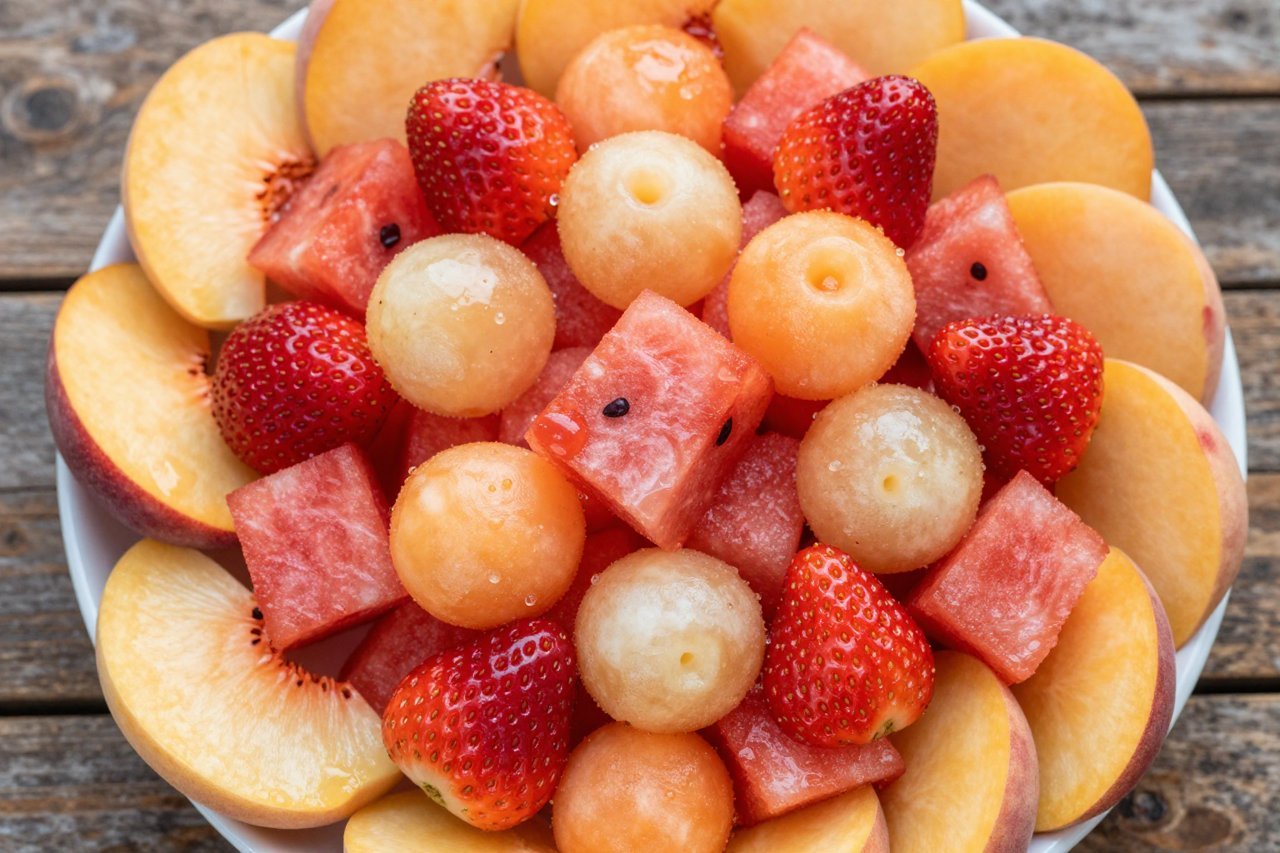
The key is volume. You can eat a large bowl of mixed low-calorie fruits (watermelon, strawberries, cantaloupe, and peaches) for about 150 calories—the same as a single granola bar. That huge bowl will fill your stomach and provide vitamins, antioxidants, and hydration.
Try this simple snack: combine 1 cup each of diced watermelon, strawberries, and cantaloupe. Squeeze a lime wedge and add a pinch of chili powder for a sweet-spicy kick. It’s refreshing, satisfying, and clocks in under 100 calories.
Start swapping one higher-calorie snack per day with a generous serving of these low-calorie fruits. You’ll cut calories effortlessly while adding micronutrients that your body needs.


