
Table of Contents
Fiber is one of those nutrients we all know we should eat more of, but most of us fall short. The average American gets only about 15 grams per day, while the recommended intake is 25-38 grams. One of the easiest and tastiest ways to close that gap? Fruit. But not all fruits are created equal when it comes to fiber. Some pack a surprising wallop, while others are mostly sugar and water. This article reveals the highest fiber fruit, along with practical ways to include more fiber-rich fruits in your daily routine.
Why Fiber Matters More Than You Think
Before we get into the rankings, let’s talk about why fiber deserves a starring role in your diet. Dietary fiber is the indigestible part of plant foods that travels through your digestive system, doing good things along the way. It helps regulate bowel movements, lower cholesterol, control blood sugar, and keep you feeling full longer. A high-fiber diet is linked to a lower risk of heart disease, type 2 diabetes, and even certain cancers. And if you’re trying to lose weight, fiber is your secret weapon—it adds bulk without calories and slows down eating, which helps you consume fewer calories overall. That’s why many of the best fruits for weight loss are also high in fiber.
The Contenders for Highest Fiber Fruit
When we talk about “highest fiber fruit,” we’re looking at grams of fiber per 100 grams or per typical serving. Let’s break it down by the top performers.
Raspberries: The Fiber Champion
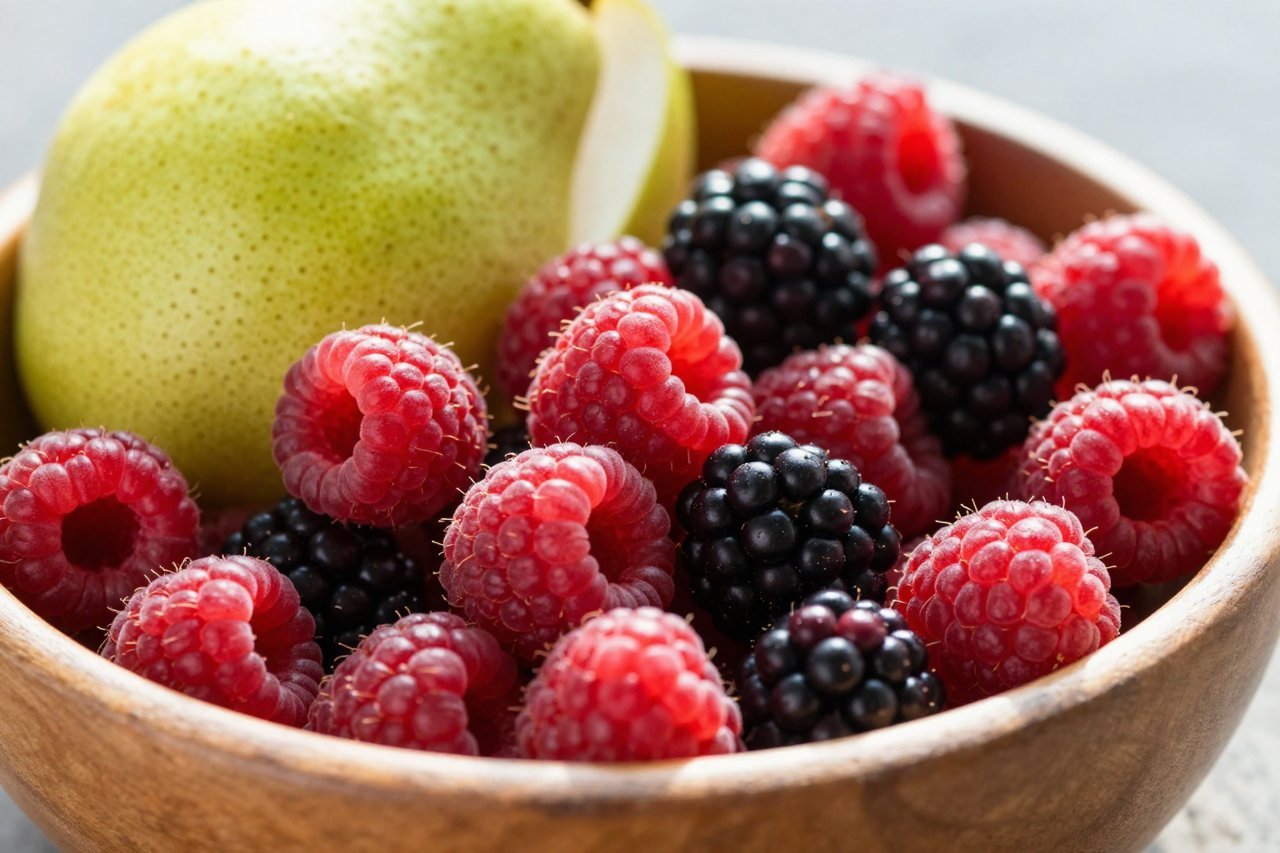
Raspberries take the crown as the highest fiber fruit commonly available. One cup (about 123 grams) contains an impressive 8 grams of fiber—that’s nearly a third of your daily needs. They’re also low in sugar compared to many fruits, with only about 5 grams of natural sugar per cup. Their tiny seeds contribute to the fiber count, and they’re packed with antioxidants called ellagitannins, which have anti-inflammatory properties. Toss them into oatmeal, yogurt, or blend into smoothies for an instant fiber boost.

Pears: The Unsung Hero
A medium-sized pear (about 178 grams) delivers 5.5 to 6 grams of fiber. That’s more than an apple, and pears are often overlooked in the fiber conversation. The skin contains much of the fiber, so eat it whole. Pears also provide vitamin C and copper. If you’re trying to eat more fiber, keep a bowl of ripe pears on the counter for an easy grab-and-go snack.
Apples: The Classic with a Catch
One medium apple with skin (about 182 grams) offers 4.4 grams of fiber. Without the skin, that drops to around 2 grams. So the adage “an apple a day” only works if you don’t peel it. Apples contain both soluble fiber (pectin) and insoluble fiber, making them great for digestion. They also pair well with nut butter for a balanced high-fiber snack.
Bananas: Not Just for Potassium
A medium banana (about 118 grams) provides 3.1 grams of fiber. But here’s the twist: green (unripe) bananas contain resistant starch, a type of fiber that acts like soluble fiber and feeds good gut bacteria. As bananas ripen, that starch converts to sugar, so greener bananas have more fiber-friendly benefits. If you like bananas, eat them slightly firm for maximum fiber.
Oranges: Whole vs. Juice
A medium navel orange (about 150 grams) contains 3 grams of fiber—but only if you eat the whole fruit, not drink the juice. Orange juice has virtually no fiber, so whole fruit is always the better choice. The white pith is particularly rich in fiber, so don’t peel too deep.
Berries Beyond Raspberries
Blackberries come close to raspberries with about 5.3 grams per cup, and blueberries offer about 3.6 grams per cup. Strawberries weigh in at around 2.5 grams per cup, but they’re a good low-calorie option. A mixed berry bowl is an easy way to get 7-10 grams of fiber in one serving.
How to Eat More High-Fiber Fruit Every Day
Knowing which fruits are highest in fiber is one thing; actually eating them is another. Here are some practical strategies.
Keep the Skin On
As mentioned, the skin of many fruits (apples, pears, peaches, plums) contains a significant portion of the fiber. Don’t peel them! Just wash thoroughly. For a deeper dive into which fruit and veggie skins you can eat, check out our guide for surprising options like kiwi skin and mango skin.
Pair with Protein and Fat
Fiber helps slow digestion, but adding protein and healthy fat makes a snack even more satiating. Try apple slices with almond butter, pear with cheese, or berries with Greek yogurt. This combination also helps stabilize blood sugar.
Use Fruit as a Dessert Replacement
Instead of reaching for cookies or candy, satisfy your sweet tooth with a bowl of raspberries or a sliced pear drizzled with a little dark chocolate. You’ll get fiber, antioxidants, and fewer empty calories.
Add to Meals, Not Just Snacks
Berries can go into salads, grilled fruit can accompany meats, and diced apples can be stirred into oatmeal or pancake batter. Even savory dishes can benefit from a touch of fruit—think pear and arugula salad with walnuts.
High-Fiber Fruit Smoothie Recipes
Smoothies are an efficient way to consume multiple servings of fruit. But to avoid a sugar rush, balance with fiber and protein.
Berry-Pear Smoothie
Blend 1 cup raspberries, 1/2 pear (with skin), 1 cup spinach, 1 tablespoon chia seeds, and water or milk. This gives you roughly 12 grams of fiber and over 6 grams of protein if you use cow’s milk.
Green Banana & Apple Smoothie
Use a slightly green banana, 1 small apple (skin on), a handful of kale, 1 tablespoon flaxseed, and unsweetened almond milk. The resistant starch in the green banana boosts fiber further.
Beyond Fruit: Other High-Fiber Foods to Complement
While fruit can get you far, don’t forget vegetables, legumes, and whole grains. Lentils, chickpeas, oats, and broccoli are fiber powerhouses. And for a crunchy topping that’s also rich in fiber, pumpkin seeds are an excellent choice—just one ounce provides about 1.7 grams of fiber, plus magnesium and zinc.
How Much Fruit Should You Eat for Optimal Fiber?
The USDA recommends about 2 cups of fruit per day for a 2,000-calorie diet. If you choose high-fiber fruits like raspberries or pears, that 2 cups could give you 8-12 grams of fiber—already halfway to your daily goal. But remember, fiber works best when you spread it throughout the day, so aim for a piece of fruit at each meal or snack.
A Note on Fiber and Digestion
If you’re not used to a high-fiber diet, increase your intake gradually. Sudden loads of fiber can cause bloating, gas, and discomfort. Drink plenty of water to help fiber move through your digestive system. Over a few weeks, your gut microbiome will adapt, and you’ll feel better.
Final Ranking: The Top 5 Highest Fiber Fruits
To sum it up, here’s a quick list of the top fruits by fiber content per cup or standard serving:
- 1. Raspberries – 8 grams per cup
- 2. Blackberries – 5.3 grams per cup
- 3. Pear – 5.5-6 grams per medium fruit
- 4. Apple with skin – 4.4 grams per medium fruit
- 5. Banana (slightly green) – 3.1 grams per medium fruit
Remember, the highest fiber fruit is only one piece of the puzzle. Eat a variety of colors, include the skin whenever safe, and pair with other high-fiber foods for maximum benefit. Your digestive system—and your overall health—will thank you.


