
Table of Contents
What you put on your plate today shapes the way you feel decades from now. That sounds dramatic, but the research is clear: diet is one of the most powerful tools we have for extending not just lifespan, but healthspan, the years we spend living well, free from chronic disease.
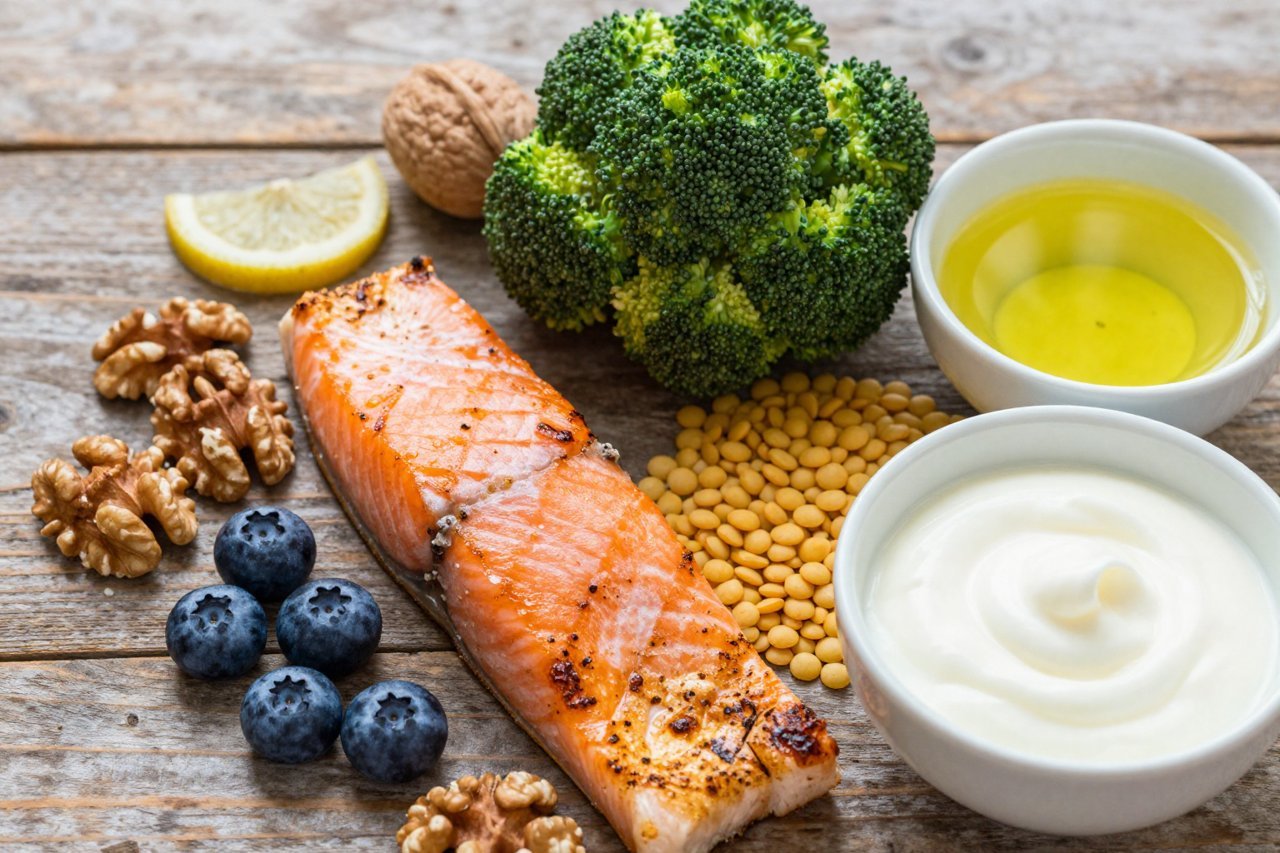
Look at the world’s Blue Zones, where people regularly live to 100, and you’ll find a mostly plant-based, whole-food pattern. Yet within that pattern, a few specific foods rise above the rest. We’ve narrowed them down to the top 7 foods for longevity based on the strongest evidence, not fads, not gimmicks, just what the science and centenarians agree on.
What Makes a Food a Longevity Food?
A longevity food isn’t just low in calories or convenient. It should deliver a high concentration of protective compounds: antioxidants, polyphenols, omega-3 fatty acids, fibre, and vitamins that target inflammation, oxidative stress, and cellular repair.
Many of these foods are also common in Mediterranean and Okinawan diets. They’re whole, unprocessed, and famously difficult to overeat. The list below includes familiar staples, but each one earns its place through years of human research, not hype.

1. Cruciferous Vegetables
Broccoli, kale, Brussels sprouts, and cabbage are the heavy hitters of the vegetable world. They are packed with sulforaphane, a sulphur compound shown to activate a protein that protects cells from damage and may slow tumour growth. A diet rich in these vegetables has been linked to lower rates of heart disease and some cancers.
One large study found that people who ate the most cruciferous vegetables (about 1.5 cups per day) had a 13% lower risk of dying from cardiovascular disease than those who rarely touched them.
How to Eat Them
Steam lightly for five minutes or roast with olive oil. Overcooking turns them bitter and destroys vitamin C. If cruciferous vegetables give you bloating, chop them and let them sit ten minutes before cooking; this activates an enzyme that makes them easier on your gut.
2. Berries
Blueberries, strawberries, raspberries, and blackberries are some of the most antioxidant-dense foods on earth. Their deep colours come from anthocyanins, compounds that support blood vessels and protect your brain’s important areas like the hippocampus, which is key for memory.
In studies, elderly adults who ate at least one serving of berries per week delayed cognitive ageing by up to 2.5 years. And it’s not just blueberries: a high intake of berry flavonoids is consistently associated with lower risk of heart attack, particularly in younger and middle-aged women.
If you’re looking to branch out beyond the common varieties, dragon fruit is a low-calorie option with a unique set of antioxidants that also fits right into this family.
How to Eat Them
- Add frozen berries to plain yogurt, they thicken it naturally.
- Toss a handful onto your morning oats after cooking to keep their vitamin C.
- Snack on dried blueberries, but skip added sugar versions.
3. Fatty Fish
Salmon, sardines, mackerel, and anchovies are direct sources of long-chain omega-3 fatty acids, especially EPA and DHA. These fats reduce systemic inflammation, lower blood pressure, and are structural building blocks for brain cell membranes.
The National Institutes of Health notes that adults who eat fatty fish two to three times a week have significantly fewer deaths from heart disease. For aging brains, another long-running study found that people with higher blood levels of omega-3s had better memory and faster mental processing over several years.
Sardines deserve a special shout-out because they’re sustainable, cheap, and low in mercury. A single tin of sardines contains about 1.5 grams of omega-3s, plus plenty of vitamin D and calcium.
How to Eat Them
Grill salmon with lemon and garlic, or pan-sear it with a pinch of salt. For sardines, mash them onto toast with a squeeze of lemon. It’s a traditional Mediterranean lunch that you’ll be surprised to love.
4. Extra Virgin Olive Oil
Not all oils are equal. Extra virgin olive oil, especially the first cold-pressed kind, is rich in monounsaturated fats and polyphenols that fight oxidative damage. It’s a signature of the Mediterranean diet, and one study found that just half a tablespoon per day reduced the risk of death from heart disease by around 15%.
Another huge trial, PREDIMED, showed that a Mediterranean diet supplemented with plenty of extra virgin olive oil reduced cardiovascular events by almost a third compared to a low-fat diet. That’s a benefit on par with some medications.
How to Eat Them
Drizzle it over salads instead of creamy dressings. Don’t heat it on high temperatures for frying; instead, use it for gentle sautéing or add it to already-cooked dishes to retain its protective compounds.
5. Nuts
Walnuts, almonds, pistachios, and Brazil nuts are portable, shelf-stable, and packed with plant protein, fibre, magnesium, and vitamin E. A large meta-analysis of over 200,000 people found that eating about an ounce of nuts a day (roughly a small handful) was associated with a 22% lower risk of premature death from any cause.
Walnuts are particularly interesting because they have the highest alpha-linolenic acid (an omega-3) content of all nuts. Animal studies suggest walnuts may reverse cognitive decline in aging brains.
Just keep portion control in mind: nuts are calorie-dense. Keep a small dish on your desk, not the whole bag.
How to Eat Them
Add a tablespoon of chopped walnuts to your yogurt, or crush almonds into salads for crunch. You can also soak almonds overnight to soften them and make digestion easier.
6. Legumes
Beans, lentils, chickpeas, and black beans are the backbone of just about every longevity culture on earth. In Okinawa, soybeans feature daily. In the Mediterranean, chickpeas and beans appear in stews. In the Blue Zones of Costa Rica, black beans are eaten with nearly every meal.
What makes them special is the combination of high fibre and plant protein, which supports a healthy gut microbiome and keeps blood sugar steady. In the Adventist Health Study, adults who consumed lentils or chickpeas at least once a week had a 10% lower risk of death from any cause than those who ate them rarely.
How to Eat Them
Swap half the meat in your bolognese with mashed lentils for a fibre boost. Make a big batch of chickpeas on Sunday: toss them with olive oil, smoked paprika, and salt, then roast at 200°C for 25 minutes for a crunchy snack.
7. Yogurt and Fermented Foods
Your gut is home to trillions of bacteria, and the balance of those microbes affects everything from immunity to mood and inflammation. Fermented foods like plain yogurt, kefir, kimchi, sauerkraut, and miso contain living probiotics that help keep that ecosystem robust.
Research published in the journal Nature showed that people who regularly eat high amounts of yogurt have lower levels of inflammatory markers in the blood. A separate long-term study of older adults found that daily yogurt consumption was tied to a 20% lower risk of some cancers.
Not all yogurt is created equal, though. Look for the words “live cultures” and avoid sweetened fruity yogurts which are more like dessert. Plain Greek yogurt has more protein and less sugar.
How to Eat Them
Have a bowl with berries and walnuts for breakfast, or use kefir as a base for smoothies. For a savoury twist, use kimchi as a side to eggs or roast vegetables.
Bring It All Together on Your Plate
It’s easy to read a list like this and start adding everything to your shopping list today. But you don’t need to overhaul your diet overnight. Longevity comes from consistency, not perfection.
A simple template: half your plate with cruciferous vegetables, a palm-sized piece of fatty fish or a generous serving of beans, and a generous glug of olive oil over the top. Snack on a handful of berries and a handful of nuts. Add fermented food once a day, even if it’s just a spoonful of sauerkraut.
These seven foods work far better together than they do alone. For instance, the vitamin D in fish and the fat in olive oil help you absorb all those fat-soluble nutrients from greens. The probiotics in yogurt feed on the fibre in legumes and vegetables, creating even more health benefits.
If you’re curious about what else can stretch your years beyond diet, this deep dive into extreme longevity covers the role of exercise, stress, and your social circle. And once you’ve cleaned up your eating, you can build on it with these seven straightforward tips for better health and extended life expectancy.


