
Table of Contents
Seborrheic dermatitis is one of those skin conditions that can feel both frustrating and confusing. You might notice redness, flaking, and stubborn scales on your scalp, face, or chest—and over-the-counter shampoos often provide only temporary relief. The key to managing it is understanding that this isn’t just dry skin; it’s an inflammatory response linked to yeast overgrowth and oil production. Let’s walk through the most effective seborrheic dermatitis treatment options, from medical shampoos to daily habits that actually make a difference.
What Exactly Is Seborrheic Dermatitis?
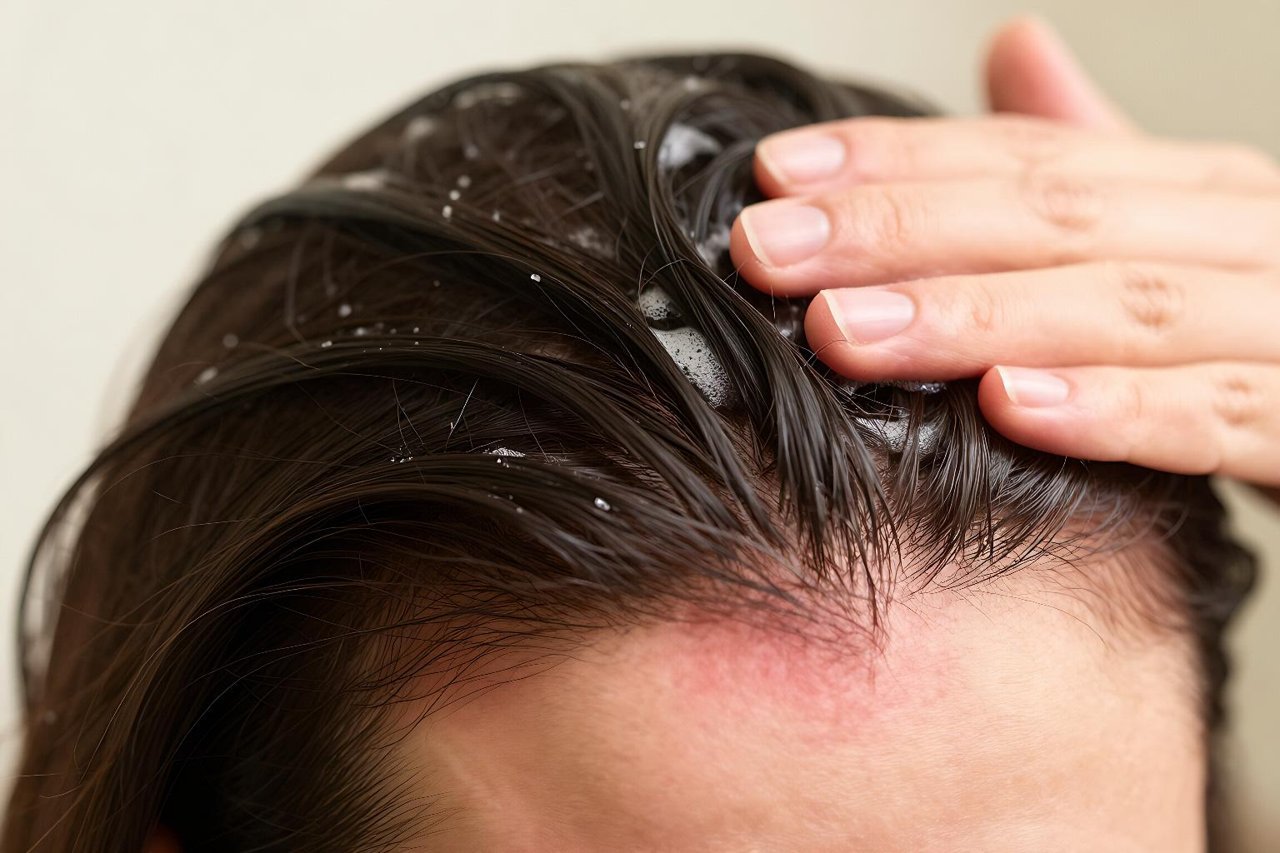
Seborrheic dermatitis is a chronic inflammatory skin condition that primarily affects areas rich in sebaceous glands—the scalp, face (especially the nasolabial folds, eyebrows, and ears), chest, and back. It’s often mistaken for simple dandruff, but it’s more severe: the scales are greasier, the redness more pronounced, and it can come with itching or even a slight burning sensation.
The exact cause isn’t fully understood, but it involves an overgrowth of a yeast called Malassezia, which naturally lives on most people’s skin. In those with seborrheic dermatitis, the skin’s immune system overreacts, leading to inflammation and rapid skin cell turnover. That’s why you get those telltale flakes and scales.
First-Line Treatments: Medicated Shampoos and Topicals
For most people, treatment starts with over-the-counter shampoos containing one of these active ingredients:

- Ketoconazole (1% or 2%): An antifungal that targets Malassezia. Use it 2-3 times per week, leaving it on for 3-5 minutes before rinsing.
- Zinc pyrithione: Common in dandruff shampoos; reduces yeast and bacteria.
- Selenium sulfide: Slows skin cell turnover and reduces yeast. Be careful—it can dry out hair if overused.
- Coal tar: Helps slow cell turnover and ease scaling. It has a strong odor, but it’s effective for stubborn cases.
- Salicylic acid: Helps remove scales, but can be irritating if left on too long.
If you have scalp involvement, alternate between two different types to prevent resistance. For the face or body, a ketoconazole 2% cream or a hydrocortisone 1% cream (short-term) can reduce redness and itching. Just don’t use steroids on your face for more than a week without a doctor’s guidance—they can cause thinning skin.
When Over-the-Counter Isn’t Enough: Prescription Options
If you’ve tried shampoos for a month and still see thick scales or significant redness, it’s time to see a dermatologist. They may prescribe:
Topical Corticosteroids
Short courses of prescription-strength steroids (like clobetasol or betamethasone) can rapidly calm inflammation. Use them sparingly—typically for 2-4 weeks—to avoid side effects like skin atrophy or rebound flares.
Calcineurin Inhibitors
Drugs like tacrolimus (Protopic) or pimecrolimus (Elidel) are steroid-free anti-inflammatories. They’re particularly useful for sensitive areas like the face or eyelids, where steroids are risky. A 2020 study found that pimecrolimus was as effective as hydrocortisone for facial seborrheic dermatitis, with fewer side effects.
Oral Antifungals
For severe, widespread cases, oral itraconazole or fluconazole may be prescribed for a few weeks. These are not first-line due to potential liver effects and drug interactions, but they can break a stubborn cycle.
Lifestyle Adjustments That Complement Treatment
Medication isn’t the whole story. Seborrheic dermatitis tends to flare with certain triggers. Managing those can reduce how often you need treatments.
Stress Management
Stress is a well-known trigger—it raises cortisol, which can increase oil production and inflammation. Even 10 minutes of mindfulness or deep breathing daily can help. One study linked chronic stress to a 70% higher risk of flare-ups in people with seborrheic dermatitis.
Diet: What the Research Says
Evidence is limited, but some people find that reducing sugary foods, dairy, or processed carbs helps. The logic: Malassezia feeds on oils, and a high-glycemic diet may increase sebum production. Try a 3-week elimination of added sugar and see if your skin calms down.
Gentle Skincare Routine
Harsh soaps and scrubs can worsen inflammation. Use a mild, fragrance-free cleanser (like Cetaphil or La Roche-Posay Toleriane) and moisturize daily with a non-comedogenic cream. For the scalp, avoid scratching—it damages the barrier and invites infection.
How Seborrheic Dermatitis Differs From Psoriasis and Eczema
Because seborrheic dermatitis shares symptoms with other skin conditions, misdiagnosis is common. Psoriasis, for example, often presents with thick, silvery scales on the elbows and knees, whereas seborrheic dermatitis scales are greasier and appear in oily areas. If you’re unsure, check out our comparison of scalp psoriasis treatment strategies—the approaches overlap but differ in key ways.
Eczema (atopic dermatitis) usually starts in childhood and appears in the creases of elbows and knees, not the oily zones. Our guide on eczema causes and treatment explains the differences in triggers and therapies.
Practical Tips for Daily Management
Consistency is more important than intensity. Here’s a simple routine:
- Morning: Wash face with a gentle cleanser. If you have redness, apply a thin layer of hydrocortisone (max 7 days). Otherwise, use a zinc-based moisturizer.
- Shower: Wash hair with your medicated shampoo. Leave it on for 5 minutes. For body areas, use a ketoconazole body wash.
- Evening: Apply a non-steroidal cream like pimecrolimus if prescribed, or just moisturize.
- Once a week: Use a salicylic acid scalp treatment to gently lift thick scales. Soak scales with warm water first.
Also, avoid heavy styling products—gels, waxes, and oils can feed the yeast. If you have beard dandruff, wash your beard daily with a ketoconazole shampoo.
When to See a Dermatologist
You should consider professional help if:
- Your symptoms cover large areas of your body.
- You have severe itching that disrupts sleep.
- Over-the-counter treatments fail after 4 weeks.
- You notice hair loss—seborrheic dermatitis itself doesn’t cause permanent hair loss, but scratching can damage follicles.
- You have other health conditions like HIV, Parkinson’s, or rosacea, which can complicate treatment.
A dermatologist can also rule out psoriasis, which has different treatment pathways and may require systemic medication.
Common Myths Debunked
Myth: It’s caused by poor hygiene. No—seborrheic dermatitis is an inflammatory condition, not a cleanliness issue. Over-washing can actually make it worse by stripping oils and triggering more production.
Myth: You can cure it with apple cider vinegar or tea tree oil. These may have antifungal properties, but they’re often too harsh for inflamed skin. Diluted tea tree oil (5%) can be useful, but always patch test. Apple cider vinegar can burn if undiluted.
Myth: It only affects the scalp. It commonly appears on the face, chest, and even the groin. Each area requires a slightly different treatment approach.
Long-Term Outlook
Seborrheic dermatitis is a chronic condition—most people have flare-ups and remissions. The goal isn’t to “cure” it but to control it. With the right combination of medicated treatments, gentle skincare, and lifestyle tweaks, you can keep symptoms at bay for months or even years. If you’re also dealing with acne, note that some acne treatments (like benzoyl peroxide) can aggravate seborrheic dermatitis; see our acne treatment guide for compatible options.
Finally, remember that what works for someone else may not work for you. It often takes a few weeks of trial and error to find your personal formula. Be patient, and don’t hesitate to explore dandruff treatment strategies—many of them overlap with seborrheic dermatitis care. Your skin can improve with consistent, targeted care.


