
Table of Contents
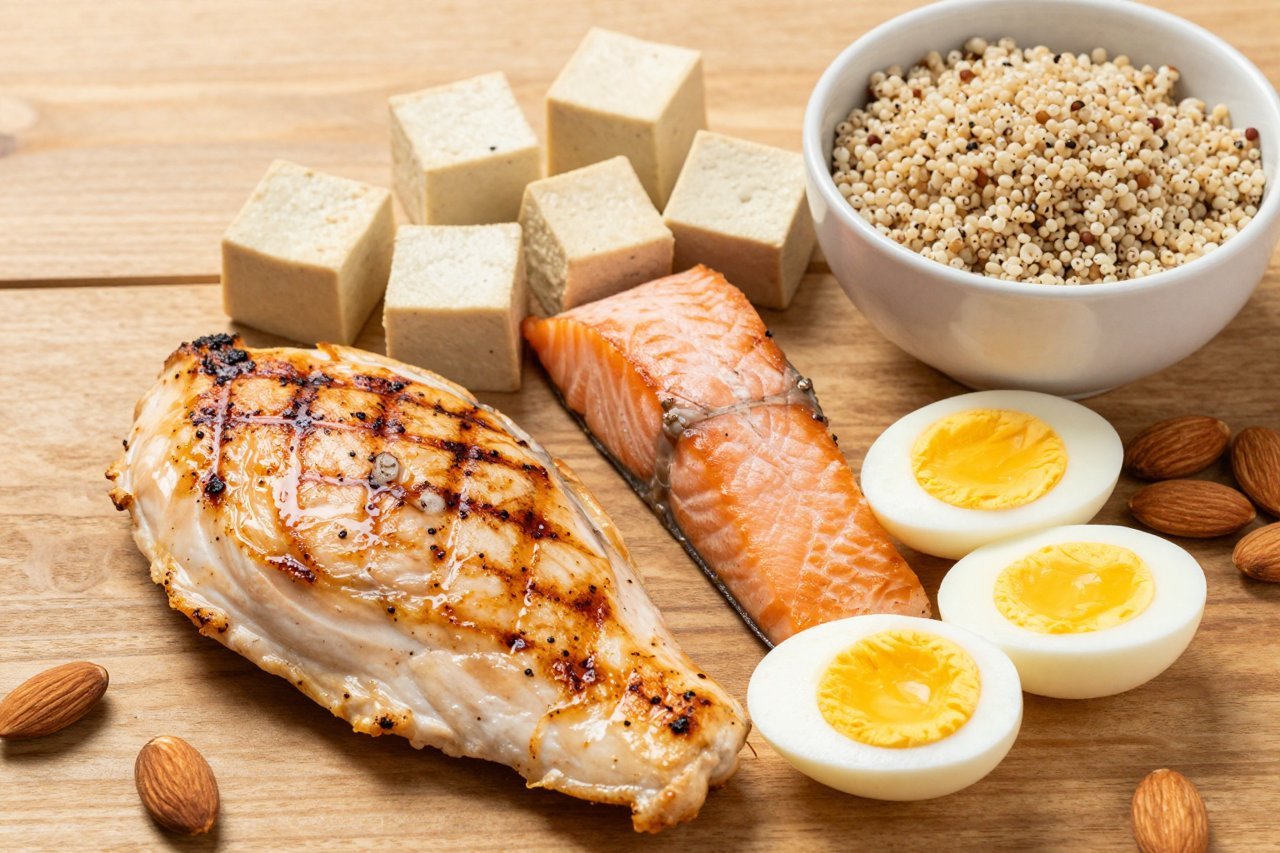
Protein is a key part of a balanced diet, but knowing which foods pack the biggest punch can feel overwhelming. With so many options, it’s easy to fall into a routine of chicken and eggs. But there’s a world of high protein foods out there—both animal and plant-based—that can keep your meals interesting while helping you hit your goals. Whether you’re looking to build muscle, lose weight, or simply eat better, here’s a breakdown of the best sources.
Animal-Based Protein Powerhouses
Chicken and Turkey
Lean poultry is a staple for a reason. A 3-ounce (85g) serving of skinless chicken breast delivers about 26 grams of protein with minimal fat. Turkey breast is similarly lean. Both are incredibly versatile: grill, bake, or stir-fry with your favorite seasonings. If you’re focused on building muscle, check out our detailed guide on The Best High Protein Foods for Muscle Gain (No Fluff, Just Facts).
Fish and Seafood
Salmon isn’t just rich in omega-3s; a 3-ounce fillet provides about 22 grams of protein. Tuna (canned or fresh) offers around 25 grams per 3 ounces, and shrimp packs 20 grams for the same portion. These options are quick to cook and pair well with vegetables or grains.
Eggs
One large egg contains 6 grams of protein, with the whites holding most of it. But don’t skip the yolk—it’s loaded with vitamins and healthy fats. A two-egg scramble gives you 12 grams, and they’re one of the most affordable high protein foods around.

Dairy
Greek yogurt is a standout: a 6-ounce container provides 15–20 grams of protein, depending on the brand. Cottage cheese (1 cup = 28 grams) and milk (1 cup = 8 grams) are also excellent. For those watching calories, opt for plain, nonfat versions.
Plant-Based Proteins That Don’t Fall Short
Legumes and Beans
Lentils, chickpeas, and black beans are fiber-rich protein sources. One cup of cooked lentils delivers 18 grams of protein and 15 grams of fiber. They’re perfect in soups, salads, or as a base for veggie burgers. Pair them with whole grains for a complete amino acid profile.
Tofu and Tempeh
Soy products are unique among plants because they provide all essential amino acids. Firm tofu offers about 10 grams per half-cup, while tempeh (fermented soybeans) packs 15 grams per half-cup. Both absorb marinades well and work in stir-fries, scrambles, or grilled.
Nuts and Seeds
Almonds (6 grams per ounce), hemp seeds (10 grams per 3 tablespoons), and pumpkin seeds (8 grams per ounce) are convenient snacks. Sprinkle them over oatmeal or salads for a protein and healthy fat boost. Nut butters are another great option—just watch portion sizes.
Quinoa
This pseudograin is a complete protein, with 8 grams per cup cooked. It’s also high in fiber and minerals. Use it as a side dish or base for grain bowls. For a filling meal, combine quinoa with black beans and veggies.
How to Incorporate High Protein Foods into Your Day
Eating enough protein doesn’t have to be complicated. Start by including a source at every meal. For breakfast, have eggs or Greek yogurt. Lunch could be a chicken salad or lentil soup. Dinner: salmon with quinoa and roasted veggies. Snacks are a perfect opportunity to add extra protein.
- Hard-boiled eggs (6g each)
- Greek yogurt with berries (15–20g per cup)
- Protein shake (20–30g per scoop)
- Edamame (17g per cup)
- Cottage cheese with pineapple (28g per cup)
If weight loss is your goal, protein can help you feel full longer. Our article on The 15 Best High Protein Foods for Weight Loss (Backed by Science) breaks down which options are most satiating. Pairing protein with fiber-rich vegetables, like those in our Weight Loss Foods guide, can double down on fullness.
For muscle building, timing matters. Consuming 20–40 grams of protein within two hours after a workout can maximize repair. That’s where lean meats, fish, or a quality protein powder shine. Need more ideas? Browse Fuel Your Gains: The Best High Protein Foods for Muscle Building for targeted options.
Putting It All Together
Variety is the spice of life—and the key to a sustainable high-protein diet. Rotate between animal and plant sources to get different nutrients. Don’t forget about fiber from vegetables and whole grains to support digestion. A balanced plate might include a palm-sized portion of protein, a fist of veggies, and a handful of complex carbs. And if you’re curious about boosting fiber alongside protein, check out The Top Vegetables with the Highest Fiber to round out your meals.


