
Table of Contents
Why the Right Foods Make Weight Loss Easier
Losing weight often feels like a battle against hunger. You cut calories, but your stomach growls, energy dips, and cravings take over. The trick isn’t eating less—it’s eating smarter. Certain weight loss foods naturally lower calorie intake by keeping you full, boosting metabolism, or reducing cravings. When you fill your plate with these, the pounds come off without constant struggle.
This isn’t about a restrictive diet. It’s about choosing real, whole foods that work with your body, not against it. Below, I’ll break down the top categories of foods that research shows support fat loss, along with practical tips to incorporate them into your day.
Protein-Rich Foods: The Appetite Controllers
Protein is the most satiating macronutrient. High-protein meals reduce hunger hormones and increase levels of peptides that signal fullness. A study in the American Journal of Clinical Nutrition found that increasing protein to 30% of total calories led to participants eating 441 fewer calories per day without trying.
Lean Meats and Poultry
Chicken breast, turkey, and lean cuts of beef are packed with protein and relatively low in fat. A 3-ounce serving of skinless chicken breast provides about 26 grams of protein for only 140 calories. For more options, check out our guide on best protein foods for weight loss—it covers exactly which cuts and types work best.

Fish and Seafood
Salmon, tuna, and shrimp deliver high-quality protein plus omega-3 fatty acids. Omega-3s may reduce inflammation and improve metabolic health. A 4-ounce salmon fillet has around 25 grams of protein and only 200 calories. Canned tuna or sardines make for a quick, portable lunch.
Eggs
Eggs are a weight loss powerhouse. One large egg has 6 grams of protein and 70 calories. Studies show that eating eggs for breakfast leads to better appetite control throughout the morning compared to a bagel or cereal. Boil a few for the week to grab on busy mornings.
Legumes and Plant Proteins
Beans, lentils, chickpeas, and tofu provide protein along with fiber. This combination is particularly filling. A cup of cooked lentils gives you 18 grams of protein and 15 grams of fiber. For science-backed recommendations, the 15 best high protein foods for weight loss list includes plant options too.
Vegetables: Volume Without Calories
Non-starchy vegetables are the ultimate volume eaters. You can eat a massive plate of them for very few calories because they are mostly water and fiber. This physically fills your stomach, signaling your brain that you’re full.
Leafy Greens
Spinach, kale, romaine, and arugula are incredibly low in calories—around 7–10 calories per cup—yet rich in vitamins and minerals. Use them as a base for salads, add to smoothies, or sauté with garlic. A full bowl of greens with a light dressing makes a satisfying starter that naturally curbs how much you eat later.
Cruciferous Vegetables
Broccoli, cauliflower, Brussels sprouts, and cabbage contain compounds that may support detoxification and hormone balance. They also provide a satisfying crunch. Roasted cauliflower florets with spices make a great low-calorie side or snack. For more ideas, explore our list of 22 low calorie foods for weight loss, many of which are vegetables.
Peppers, Cucumbers, and Zucchini
These are water-rich and can be eaten in large quantities. Slice cucumbers and bell peppers for a crunch snack with hummus. Zucchini noodles (zoodles) are a popular low-calorie alternative to pasta, saving you hundreds of calories per serving.
Fruits: Sweet Satisfaction with Fiber
While fruit contains natural sugar, its fiber and water content slow digestion and prevent blood sugar spikes. Whole fruits are far better than juice or dried fruit, which concentrate sugar and remove fiber.
Berries
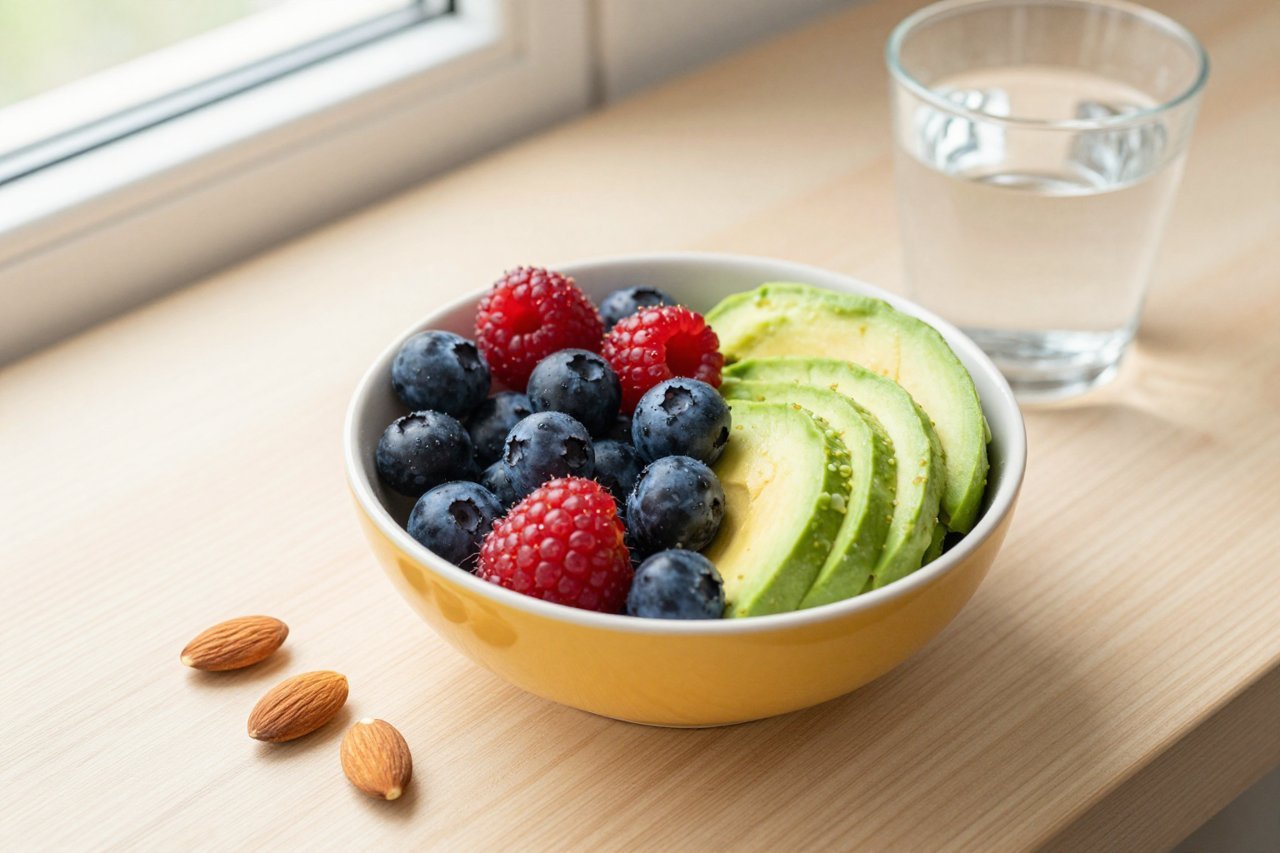
Strawberries, blueberries, raspberries, and blackberries are low in sugar and high in fiber and antioxidants. A cup of raspberries has 8 grams of fiber and only 64 calories. Toss them into oatmeal, yogurt, or eat them plain.
Apples and Pears
An apple or pear with the skin provides about 4–5 grams of fiber and is portable and easy. One study found that people who ate an apple before a meal consumed 15% fewer calories than those who didn’t. For a full rundown, see our article on best fruits for weight loss.
Grapefruit
Grapefruit has been linked to weight loss in some studies, possibly due to its ability to lower insulin levels. Half a grapefruit before meals is a classic dietary trick. It’s also packed with vitamin C.
Whole Grains and Fiber-Rich Carbs
Not all carbs are enemies. Whole grains provide sustained energy and fiber, which keeps you full longer. Refined carbs like white bread and white rice spike blood sugar then crash, leading to hunger soon after.
Oats
A bowl of steel-cut or rolled oats in the morning provides beta-glucan, a soluble fiber that forms a gel in your gut and slows digestion. It also helps lower cholesterol. Avoid instant oats with added sugar; opt for plain and sweeten with berries.
Quinoa
Quinoa is a complete protein with all nine essential amino acids, plus fiber. One cup cooked has 8 grams of protein and 5 grams of fiber. Use it as a base for grain bowls or a side dish instead of rice.
Barley and Buckwheat
These ancient grains are less common but highly satiating. Barley is particularly rich in soluble fiber, and buckwheat contains a compound that may improve insulin sensitivity. Both can be cooked like rice and added to salads or soups.
Healthy Fats: Surprisingly Satisfying
Fat is calorie-dense, but small amounts can make meals more satisfying and help absorb fat-soluble vitamins. The key is choosing unsaturated fats and not overdoing it.
Avocados
Despite being high in fat, avocados are linked to lower body weight in observational studies. Their monounsaturated fats and fiber promote fullness. Half an avocado adds creaminess to salads or sandwiches without spiking insulin.
Nuts and Seeds
Almonds, walnuts, chia seeds, and flaxseeds are nutrient-dense. A handful (about 1 ounce) of almonds contains 160 calories, 6 grams of protein, and 3.5 grams of fiber. Nuts are easy to overeat, so measure portions. Chia seeds can be made into a pudding that expands in the stomach, increasing fullness.
Olive Oil
Extra virgin olive oil is a staple of the Mediterranean diet, which is associated with weight loss and better health. Drizzle over vegetables or use in vinaigrettes. Just a tablespoon (120 calories) is enough to add flavor and satisfaction.
Dairy and Dairy Alternatives
Low-fat dairy products provide protein and calcium. Some research suggests that calcium may enhance fat loss, though the effect is modest. Greek yogurt is particularly high in protein, with about 20 grams per 7-ounce container. Cottage cheese is another protein-dense option, with 25 grams per cup. For nondairy alternatives, look for unsweetened almond or soy milk to avoid added sugars.
Beverages: What You Drink Matters
Liquid calories are often hidden sources of weight gain. Soda, fruit juice, and sweetened coffee drinks can add hundreds of calories without filling you up. Water is the best choice. Drinking a glass before meals can help you eat less. Green tea provides antioxidants and a small metabolism boost due to its caffeine and catechins. Black coffee (without sugar or cream) is also virtually calorie-free and can suppress appetite temporarily.
Putting It All Together: Sample Meal Ideas
Combining these foods makes weight loss feel effortless. Start with a breakfast of scrambled eggs with spinach and a side of berries. For lunch, a large salad with grilled chicken, avocado, and a drizzle of olive oil vinaigrette. For dinner, baked salmon with roasted broccoli and quinoa. Snack on an apple with a handful of almonds. This approach provides protein, fiber, healthy fats, and volume—keeping you satisfied all day.
Remember, the best weight loss foods are those you actually enjoy and can stick with long term. Experiment with different whole foods to find what works for you. For more inspiration, check out 10 healthy foods for weight loss that actually keep you full—these are some of the most satisfying options out there.


