
Table of Contents
Ever hit the 2 p.m. wall? That foggy, heavy-eyed feeling where your to-do list goes blurry and your energy just tanks? You reach for another coffee or a chocolate bar, get a short-lived buzz, then crash harder thirty minutes later. The problem isn’t lack of sleep or willpower; it’s the food you’re choosing. Real foods for energy work with your body, not against it. They keep your blood sugar stable, your brain sharp, and your mood even.
Why Some Foods Deliver Lasting Energy (And Others Don’t)
Your body runs on glucose, which comes from carbohydrates. But not all carbs are created equal. Refined carbs like white bread, pastries, and sugary drinks hit your bloodstream fast, causing a massive insulin spike. That spike is why you feel energized for twenty minutes, then wiped out as your blood sugar plummets. On the other hand, complex carbohydrates – like oats, quinoa, and sweet potatoes – digest slowly because they’re wrapped in fiber and nutrients. When you pair those carbs with protein and healthy fat, you create a slow-burning fuel that keeps you going for hours.
Nutrient-dense whole foods are also rich in vitamins and minerals that your cells need to generate energy. That’s why the concept of superfoods matters, even if the label is overused. You can learn more about which ingredients truly deserve the hype in our guide to superfoods.
The Best Foods for Energy You Should Be Eating
Whole Grains for Slow-Release Fuel
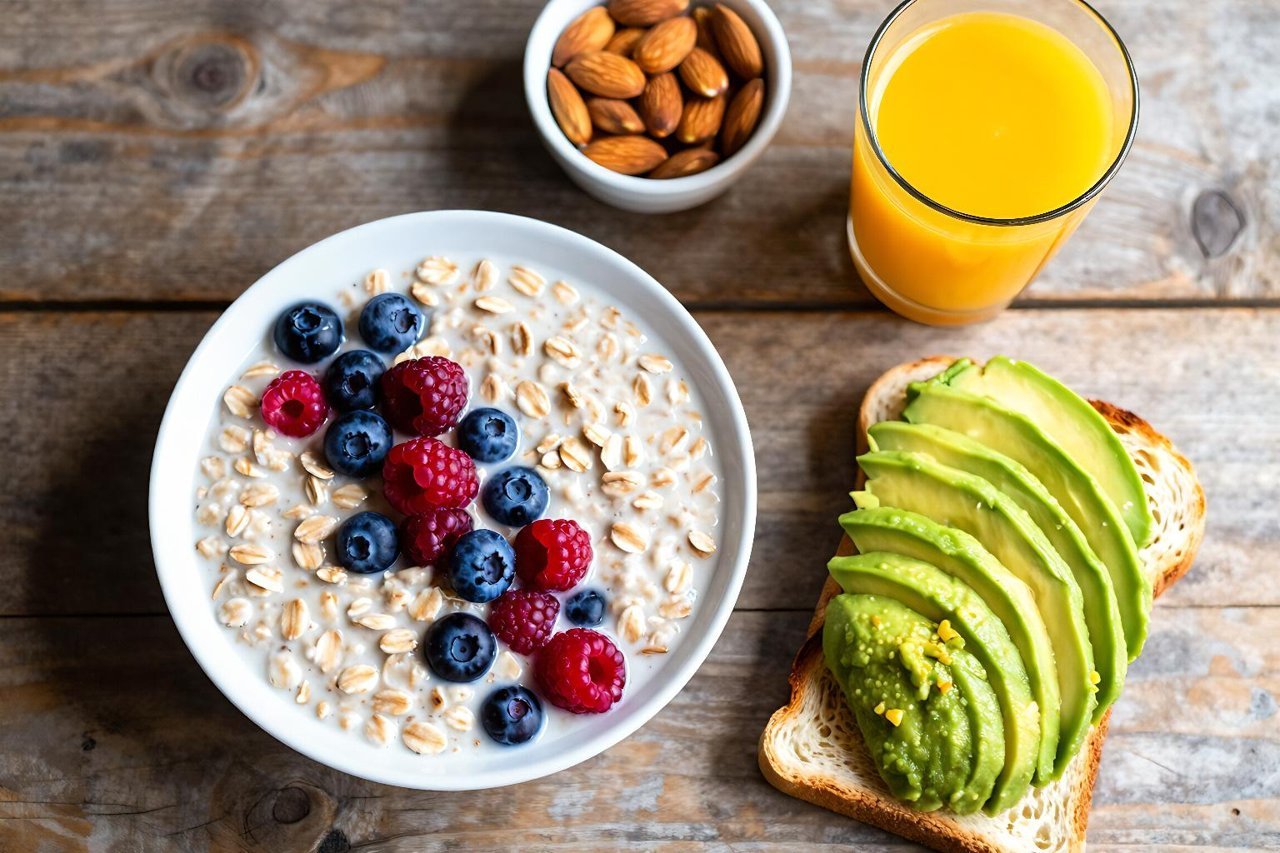
Oats are a standout. A bowl of oatmeal with some berries and nuts will keep you satisfied from breakfast to lunch without the mid-morning hunger growl. Quinoa is another great choice because it’s a complete protein as well as a complex carb – it’s one of the rare plant foods that gives you both. Brown rice, barley, and buckwheat also work beautifully in lunch bowls or as dinner sides. If you’re new to whole grains, try farro in a veggie bowl or millet as a hot cereal. The key is to choose grains that are still in their whole form rather than heavily processed.

Lean Proteins to Keep You Full and Focused
Protein doesn’t just repair muscles; it helps you stay alert by sustaining your blood sugar. Eggs, Greek yogurt, tofu, chicken, and lentils are all excellent options. If you’re someone who often feels sluggish, it’s worth checking your B12 levels. This vitamin is a key player in energy production, and it’s found almost exclusively in animal products. Need more info? Take a look at the top B12 vitamin foods to see if you’re getting enough.
Healthy Fats – Don’t Be Afraid of Them
Fats got a bad name for decades, but your brain and cells need them. Healthy fats from avocados, nuts, seeds, and olive oil slow digestion, which means a steadier release of energy. A handful of almonds or walnuts makes a great afternoon snack because it pairs healthy fat with a little protein and fiber. Just keep the portion sensible – a small handful, not the whole bag. And don’t skip fat at breakfast: a few slices of avocado on toast or a spoonful of nut butter in your oatmeal can carry you through the morning.
Fruits and Vegetables That Pack a Punch
Bananas are practically nature’s energy bar. They’re packed with potassium, B vitamins, and natural sugars that give you a quick, moderate lift without the crash. Sweet potatoes deserve a special mention, too – they provide complex carbs plus vitamin A and fiber. When you’re looking for veggies that help with energy, go for leafy greens like spinach and kale. They’re high in iron, which your blood needs to carry oxygen to your muscles and brain. For a fast breakfast or snack, blend a handful of spinach with a ripe banana, Greek yogurt, and a little orange juice – it tastes better than it sounds.
Many people don’t realize that dehydration causes fatigue. Cucumbers, watermelon, celery, and oranges are high in water and fiber, so they hydrate you and keep you full. That’s a theme in our article about low-calorie foods that fill you up – worth a read if you often feel hungry and tired.
Smart Snacking for Steady Energy
Snacking isn’t bad – grazing all day on ultra-processed food is. When you choose the right snacks, they can tide you over between meals and prevent energy dips. Aim for a snack that has at least two of these three components: fiber, protein, or fat. That combination keeps you full for a couple of hours rather than twenty minutes. Try these simple combinations:
- Apple slices with a spoonful of almond butter
- Greek yogurt with a small handful of walnuts
- Whole-grain crackers with hummus
- A hard-boiled egg with a few cherry tomatoes
- Cottage cheese with pineapple chunks
Foods That Are Quietly Draining Your Energy
It’s not just about what you add – it’s also about what you cut back on. Sugary coffee drinks, sodas, pastries, and white bread spike your blood sugar and then let it crash hard. Alcohol is another culprit; it might make you sleepy initially, but it disrupts your sleep quality and leaves you groggy the next day. Energy drinks are the worst of both worlds, cramming huge doses of caffeine and sugar into one can. They force your body to burn through its reserves, and the ‘energy’ is borrowed at a high cost. Fried foods and heavy processed meals can also drain you, because they take a lot of energy to digest and leave you feeling sluggish.
Common Mistakes That Wreck Your Energy (and What to Do Instead)
Making small changes to your daily habits can have a bigger impact than you’d think. Here are four common energy killers and the easy fixes:
- Mistake: Skipping breakfast or waiting too long between meals. Fix: Eat something within an hour of waking, even if it’s just a banana and a handful of almonds.
- Mistake: Leaning on low-fat, high-sugar “diet” foods. Fix: Choose full-fat yogurt, real nut butters, and whole fruit instead.
- Mistake: Forgetting to drink water until you’re desperate. Fix: Keep a refillable bottle at your desk and sip throughout the morning, not just after meals.
- Mistake: Using coffee as a meal replacement when busy. Fix: Make time for a real lunch with protein and fiber, even if it’s a simple wrap or leftovers.
How to Pair Foods for Long-Lasting Energy at Every Meal
The secret to avoiding that afternoon slump is to combine complex carbs, protein, and fat at each meal. The carbs give you fast (but steady) fuel; the protein and fat keep the whole thing digesting slowly. For breakfast, try scrambled eggs with sautéed spinach and a slice of whole-grain toast. Lunch? A quinoa bowl with black beans, roasted vegetables, and a drizzle of olive oil. For dinner, a piece of baked salmon with sweet potato and steamed broccoli checks every box. A simple rule of thumb: half your plate should be vegetables or fruit, a quarter protein, and a quarter whole grains – that ratio naturally keeps energy steady.
If you’re avoiding carbs, though, take care. Not all carbs are the enemy. Our guide to low carb foods explains which carbs you can keep for steady energy while still cutting back on empty calories.
A Simple Day of Energy-Boosting Meals
Here’s what a day of energy-focused eating might look like. Feel free to adjust portions to your appetite and activity level:
- Breakfast: Overnight oats made with rolled oats, chia seeds, Greek yogurt, and sliced banana.
- Lunch: A big salad with quinoa, chickpeas, avocado, cherry tomatoes, and a lemon-tahini dressing.
- Snack: A pear with a few almonds or a piece of string cheese.
- Dinner: Chicken stir-fry with brown rice, broccoli, carrots, and snap peas, cooked in sesame oil.
Start With Your Breakfast
If you only change one thing, make it your breakfast. Most people start the day with fast, refined carbs like toast, cereal, or a muffin. Swap that for a high-protein, high-fiber meal and you’ll notice the difference within a couple of hours. Sweet potato hash with eggs, or Greek yogurt with berries and walnuts, will keep your energy even until lunch. If you’re short on time, overnight oats in a jar can be prepped in five minutes the night before – just grab them and go in the morning.
Your energy isn’t a mystery. It’s built meal by meal, snack by snack. Next time you feel the afternoon drag, look at what you ate for lunch – then reach for something whole, loaded with nutrients, and watch what happens.


