
Table of Contents
Trillions of bacteria live in your digestive tract. They help break down food, synthesize vitamins, and keep potentially harmful microbes in check. Probiotics are live microorganisms that you consume through food or supplements, and their purpose is to reinforce this resident community. The specific benefits of probiotics reach far beyond your stomach. Here’s a clear look at what they can do, how to get them, and what the science actually backs up.
What Probiotics Actually Do in Your Body
Probiotics work on a few fronts. They compete with pathogenic bacteria for space and resources. They produce short-chain fatty acids that nourish the cells lining your colon. They can even influence your immune system by sending signals through the gut-associated lymphoid tissue. But this isn’t magic, it’s biology.
The Science-Backed Benefits of Probiotics
1. Digestive regularity and diarrhea relief
One of the strongest research areas is antibiotic-associated diarrhea. Taking antibiotics kills your gut flora along with the infection, and that disruption can cause loose stools. A 2015 JAMA review found that probiotics reduced the risk of antibiotic-associated diarrhea by about 40%. Specific strains like Lactobacillus rhamnosus GG and Saccharomyces boulardii have the most evidence. For people with irritable bowel syndrome, certain probiotic blends can reduce bloating and abdominal pain. The effect size isn’t huge, but for many it’s enough to make daily life more comfortable.
2. Better nutrient absorption
Your gut’s bacteria are involved in producing B vitamins and vitamin K. They also affect mineral absorption. For example, some strains of Lactobacillus and Bifidobacterium can enhance iron and calcium uptake in animal studies. This is one reason people who focus on gut health often notice better energy and overall vitality. If you want to pair probiotics with a broader dietary strategy, exploring foods for gut health is a smart move. That guide covers both the probiotic and prebiotic side of the equation.

3. A stronger immune response
About 70% of your immune system sits in your gut. Probiotics interact with immune cells, encouraging them to stay calm during normal conditions but respond quickly when an invader shows up. Trials have found that regular probiotic use can shorten the duration of the common cold by about half a day and reduce the chance of needing antibiotics for respiratory infections. That might sound small, but over a year it adds up to fewer sick days.
4. Mood and brain function
The gut-brain axis gets a lot of attention, and for good reason. The bacteria in your gut produce neurotransmitters like serotonin, actually, up to 90% of your body’s serotonin is made in the digestive tract. Animal studies show that specific strains like Lactobacillus helveticus and Bifidobacterium longum can reduce anxiety-like behavior. Human trials are still early, but the results are promising enough that many researchers consider the gut a second brain. People with irritable bowel syndrome often report improved mood when their gut symptoms improve, suggesting a two-way street.
How Probiotics Affect the Rest of Your Body
Skin conditions
Your skin has its own microbiome, and it’s linked to the gut. Eczema, acne, and rosacea may improve in some people when they take probiotics. A 2018 review of over 2,000 people found that probiotic supplements, especially Lactobacillus rhamnosus GG, reduced the risk of developing eczema in early life by 22%. For acne, the evidence is less consistent, but some small trials suggest anti-inflammatory benefits.
Heart health
Probiotics might help your heart by lowering LDL cholesterol and blood pressure. Certain strains break down bile salts in the gut, which forces the body to pull cholesterol from the blood to make new ones. A meta-analysis in the Journal of the American College of Cardiology found that probiotics reduced LDL cholesterol by about 5 mg/dL on average, not dramatic, but meaningful for people at borderline risk.
Urinary and vaginal health
Lactobacillus species dominate a healthy vaginal microbiome. They produce lactic acid, which keeps pH low enough to prevent harmful bacteria and yeast from overgrowing. Taking probiotics, especially lactobacilli, can reduce the recurrence of bacterial vaginosis and yeast infections. It’s also a common preventive strategy for urinary tract infections, though you should still treat active infections with antibiotics under a doctor’s care.
The Best Food Sources of Probiotics
Before you buy a pill, consider fermented foods. They contain live cultures plus a bunch of other nutrients. You don’t need a lot, even a few servings a week can shift your microbiome. Here are the most reliable ones:
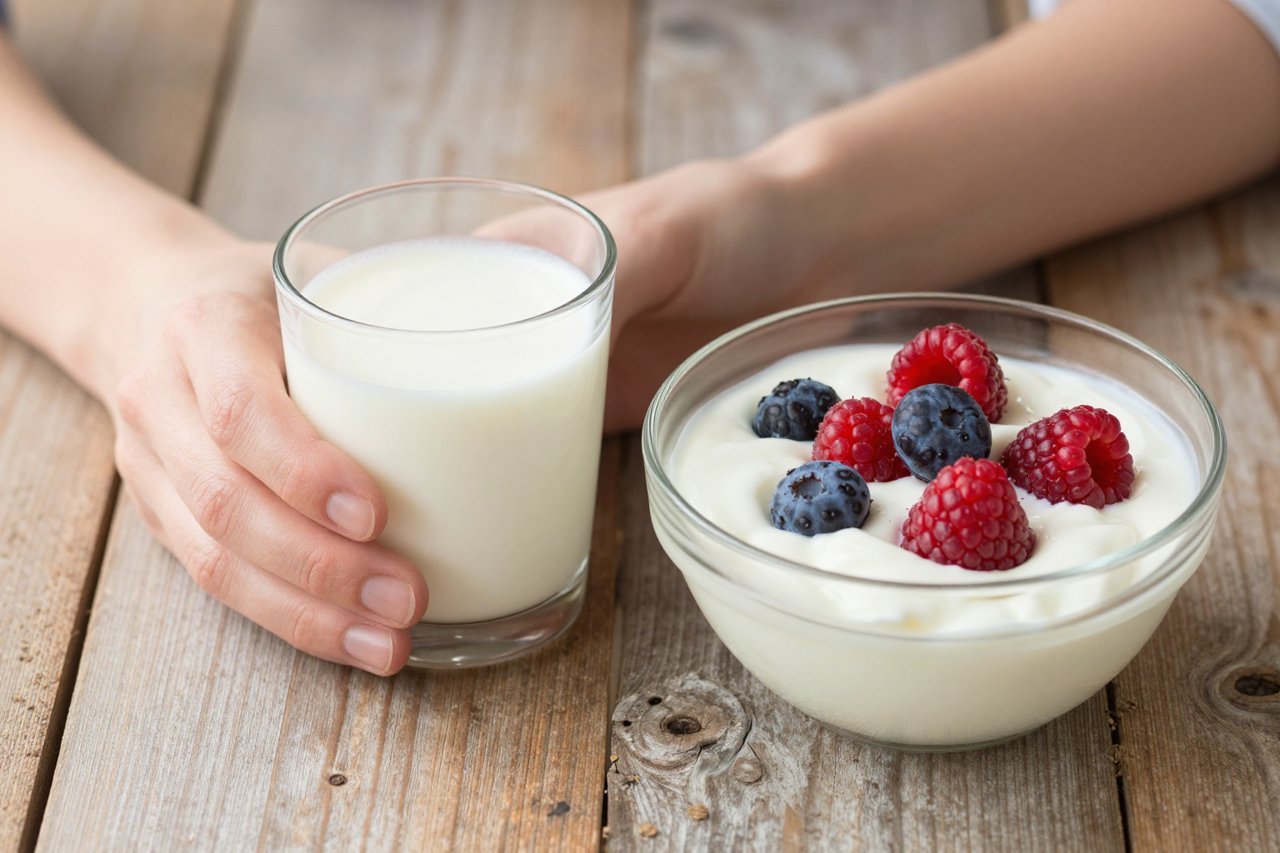
- Yogurt with live active cultures (look for “L. acidophilus” on the label)
- Kefir, a fermented milk drink with a wider variety of strains than yogurt
- Sauerkraut, especially the unpasteurized kind sold refrigerated
- Kimchi, a spicy Korean cabbage side dish
- Miso paste, usually in soup or marinades
- Tempeh, a fermented soybean cake that also packs protein
- Some aged cheeses, Gouda, cheddar, and Swiss contain live cultures if they’re unpasteurized
Fermented foods also bring prebiotic fiber, which we’ll get to in a moment. Interestingly, red cabbage is not a probiotic, but it’s rich in fiber and antioxidants that support the same ecosystem. If you want to expand your vegetable options, these red cabbage benefits are worth reading.
Choosing a Probiotic Supplement
If you decide to go the supplement route, the label matters. You want a product with a specific strain, like Lactobacillus acidophilus NCFM, not just “probiotic blend.” The dose is usually listed in CFUs (colony-forming units). For daily maintenance, 1 to 10 billion CFUs is fine. For antibiotic-associated diarrhea or acute digestive issues, look for 20 to 50 billion. Also check whether the product requires refrigeration, since some strains die at room temperature.
One thing many people overlook is the type of fiber in the capsule. Many probiotics now include prebiotics to help the bacteria survive the stomach and colonize. If you’re comparing options, this prebiotic fiber supplement guide explains what to look for and why the carrier matters.
Why Prebiotics Matter Just as Much
Probiotics are alive, and like any living thing, they need food. That food is prebiotics, plant fibers like inulin, fructooligosaccharides, and resistant starch. These fibers mostly pass through the upper digestive tract untouched and then get fermented by gut bacteria in the colon. Without an ample supply of prebiotics, the probiotics you consume are less likely to stick around for long. In fact, some food sources are naturally prebiotic, such as garlic, onions, bananas, oats, and asparagus. For a thorough breakdown of how prebiotics work and how to get more of them, this guide to prebiotics for gut health is an excellent resource.
Simple Ways to Start Adding Probiotics to Your Day
Start with one small change. Have a couple of tablespoons of sauerkraut with lunch, or swap your afternoon snack for a cup of kefir. You don’t need to overhaul your entire diet.
If you’re taking supplements, take them with a meal that contains some fat, most probiotic bacteria are better able to survive stomach acid when they’re protected by food. And give it time. The microbiome is dynamic, but a stable change in your bacterial population usually takes a few weeks of consistent intake.
Pay attention to your body. You might feel mild bloating or gas during the first few days. That’s normal as the bacteria begin to ferment. If it doesn’t subside after a week or two, switch to a lower-dose product or talk to a healthcare provider.
Probiotics benefits aren’t one-size-fits-all. What works for your friend might not work for you, and that’s okay. The key is to find a source you can stick with. Once you do, the improvements in digestion, immunity, and overall well-being can be subtle but steady. That’s the goal: not a radical change, but a meaningful nudge toward a healthier ecosystem inside your body.


