
Table of Contents
Ask three nutritionists which anti-inflammatory diet is the best, and you’ll get three different answers. Strictly speaking, the term is an umbrella: Mediterranean-style eating, DASH, low-GI plans and elimination protocols all target chronic inflammation, but each asks different things of your shopping list, your cooking time and your willpower.
The best choice is rarely the one with the most Instagram hype. It’s the one you’ll still follow in month four. To help you choose, here is how the leading approaches compare, trade-offs included.
If you’re not sure what drives the problem in the first place, read this primer on what makes a diet inflammatory before you start comparing menus.
Mediterranean: the research heavyweight
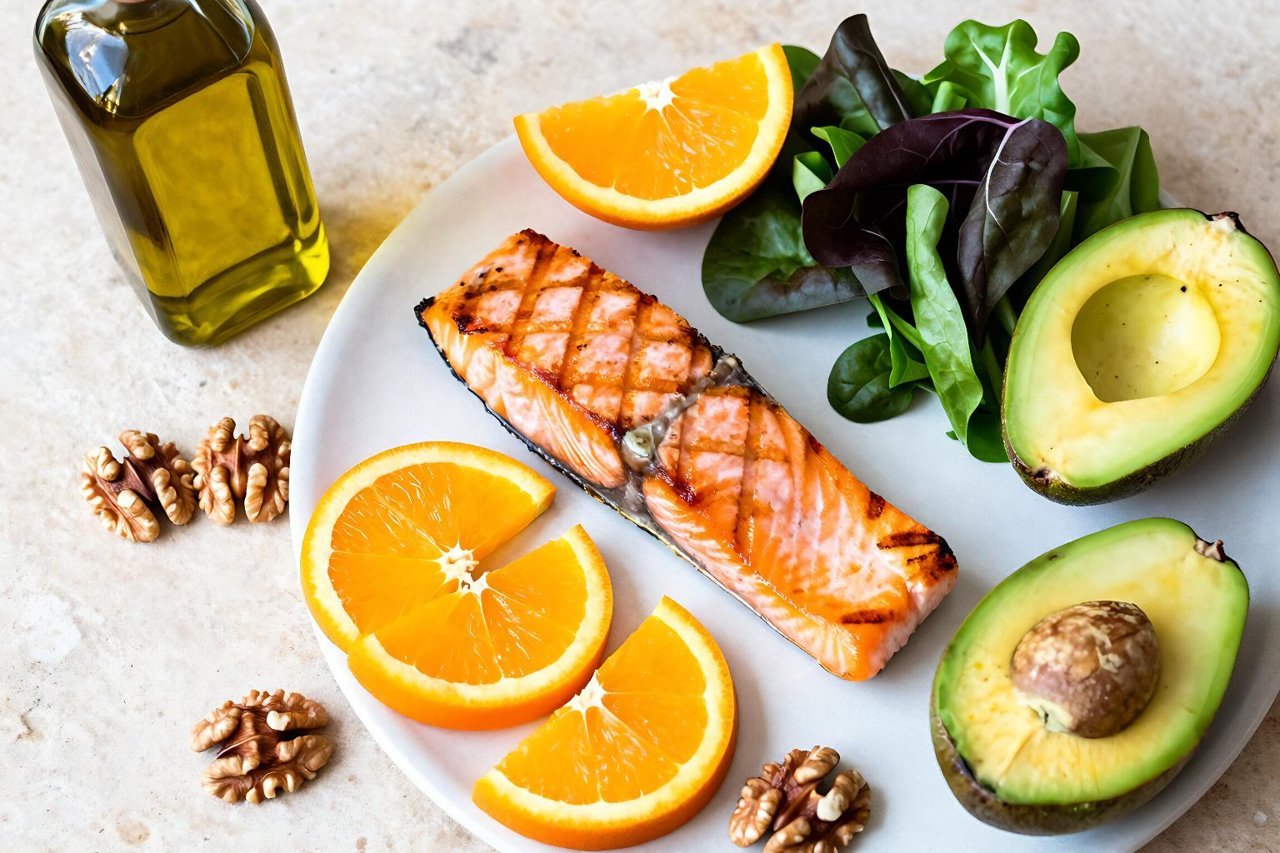
The Mediterranean diet is the pattern with the strongest body of evidence. It’s built around olive oil, vegetables and fruit, beans, lentils, whole grains, and fish at least twice a week, with red meat as an occasional treat rather than a staple.

Where it shines
- It’s not a rigid meal plan; you learn proportions and preferences, which makes it easier to eat socially.
- It emphasises satisfying fats, so most people don’t feel as though they’re on a diet.
- Several large randomised trials link it to lower inflammatory markers like hs-CRP and to fewer cardiovascular events.
The trade-offs
- Mediterranean means different things depending on the region. A Greek island pattern is not the same as Italian coastal cooking, so you need a good guide.
- Quality olive oil, fatty fish and nuts can get expensive.
- Some versions allow wine with dinner; if a glass becomes two or three, the anti-inflammatory benefits shrink quickly.
If you like the sound of this but want clearer meal structures, our Mediterranean meal-plan styles comparison walks you through the differences between classic Greek, Spanish pescatarian and lower-carb variations.
DASH: the structured blood-pressure contender
DASH, which stands for Dietary Approaches to Stop Hypertension, was designed to lower blood pressure, not to fight inflammation. In practice, the two overlap. DASH is low in sodium, saturated fat and added sugar, and high in potassium, calcium and fibre, all of which have indirect anti-inflammatory effects.
Rather than just choosing healthy foods, DASH gives you daily servings: 4-5 servings of vegetables, 4-5 of fruit, 6-8 of whole grains, 2-3 of fat-free or low-fat dairy, fewer than six weekly servings of lean meat, and 4-5 portions of nuts, seeds or legumes per week.
Where it shines
- The portion structure removes guesswork, especially for people who like tracking numbers.
- Clinical evidence is unusually strong: DASH lowers blood pressure within weeks, and lower blood pressure is closely linked to lower vascular inflammation.
- It’s easier than Mediterranean for people who prefer dairy and lean protein.
The trade-offs
- The sodium ceiling (1,500 to 2,300 mg per day, depending on the version) is brutal if you eat out often or rely on canned goods.
- Fat-free dairy is a compromise; some people end up adding sugar to make it taste better.
- The focus on blood pressure can overshadow other inflammatory factors like omega-3s and olive oil polyphenols.
Low-GI: the blood-sugar-friendly alternative
Instead of prescribing a specific cultural template, low-GI eating asks you to slow the delivery of sugar into your bloodstream. High glucose spikes trigger insulin, and chronic post-meal surges promote inflammatory pathways. Choosing slow carbs is a logical anti-inflammatory lever.
The choices feel familiar: steel-cut oats over instant porridge, barley and lentils in soups, sourdough bread in modest portions, and whole fruit instead of blended juice.
Where it shines
- It’s extremely flexible; you can embed low-GI choices into Mediterranean, vegetarian or even traditional home-style meals.
- It helps stabilise energy and hunger, so those 3 p.m. white-carb cravings lose their grip.
- For people with insulin resistance or PCOS, it may deliver faster symptom changes.
The trade-offs
- The glycaemic index of a food changes with ripeness, processing and what else is on the plate, so it is easy to overtrack.
- Some low-GI foods, like full-fat ice cream, can still be inflammatory. Glycaemic index is not a proxy for overall food quality.
- It doesn’t tell you to eat sardines or walnuts; you still need an anti-inflammatory food backbone.
For a concrete shopping list of ingredients that hit both low-GI and anti-inflammatory notes, look through our roundup of delicious anti-inflammatory foods.
The elimination reset: high effort, high resolution
Some people go further and adopt a temporary anti-inflammatory elimination diet: removing gluten, dairy, alcohol, added sugar, and sometimes nightshades, eggs or nuts, then reintroducing foods one at a time.
Where it shines
- It can reveal a personal trigger that a generic Mediterranean plan would hide.
- Even without a dramatic trigger, the two-week shakeout often breaks cravings and forces you to rethink convenience food.
The trade-offs
- Several weeks of restrictive cooking is demanding, and social eating suffers.
- If you don’t systematically reintroduce foods, you risk cutting things that were never a problem.
- The mental pressure can be counterproductive for people prone to obsessive eating habits.
Jumping into this style without a plan is a recipe for frustration. A step-by-step reset plan with real meals keeps the week structured and removes the what-do-I-eat-now problem.
One more variable worth mentioning: every one of these anti-inflammatory diets relies on fibre from plants, and if you currently bloat every time you eat beans or lentils, the best meal plan in the world won’t stick. Some people need supplements while they repair their gut. If you’re considering one, the complete guide to dietary fiber supplements explains which type to pick.
Ask yourself these three questions before you choose
Rather than chasing the most famous plan, match the diet to the life it needs to survive. These are the three questions I ask clients when they are comparing options:
- Do you need structure or flexibility? If you like clear targets and meal templates, DASH or a reset plan will feel safer. If you travel for work or cook by instinct, Mediterranean is probably the better fit.
- What is the state of your blood sugar and blood pressure? DASH is excellent for salt-sensitive hypertension; low-GI is often more effective if your energy crashes after meals; Mediterranean is a strong default for general inflammation.
- Which eating pattern can you maintain on a bad week? The honest answer matters more than any food pyramid or biochemical pathway.
An anti-inflammatory diet only works when you keep choosing it. The good news is that you don’t have to pick one forever: you can start with the structure of a reset, borrow the food choices from Mediterranean eating, and apply low-GI swaps if your afternoons feel sluggish.


