
Table of Contents
Iron deficiency is one of the most common nutritional gaps worldwide, leaving many people feeling tired, foggy, and short of breath. While red meat gets all the glory for its heme iron, vegetables quietly offer a treasure trove of non-heme iron—especially when you know which ones to pick. Here’s a breakdown of vegetables with the most iron, how to eat them for maximum benefit, and a few ways to weave them into your daily meals without turning supper into a chore.
Top Vegetables with the Most Iron
If you’re looking to boost your iron intake from plant sources, these vegetables are your heavy hitters. The amounts below are based on cooked portions unless noted, because cooking often concentrates nutrients and reduces oxalates that can block absorption.
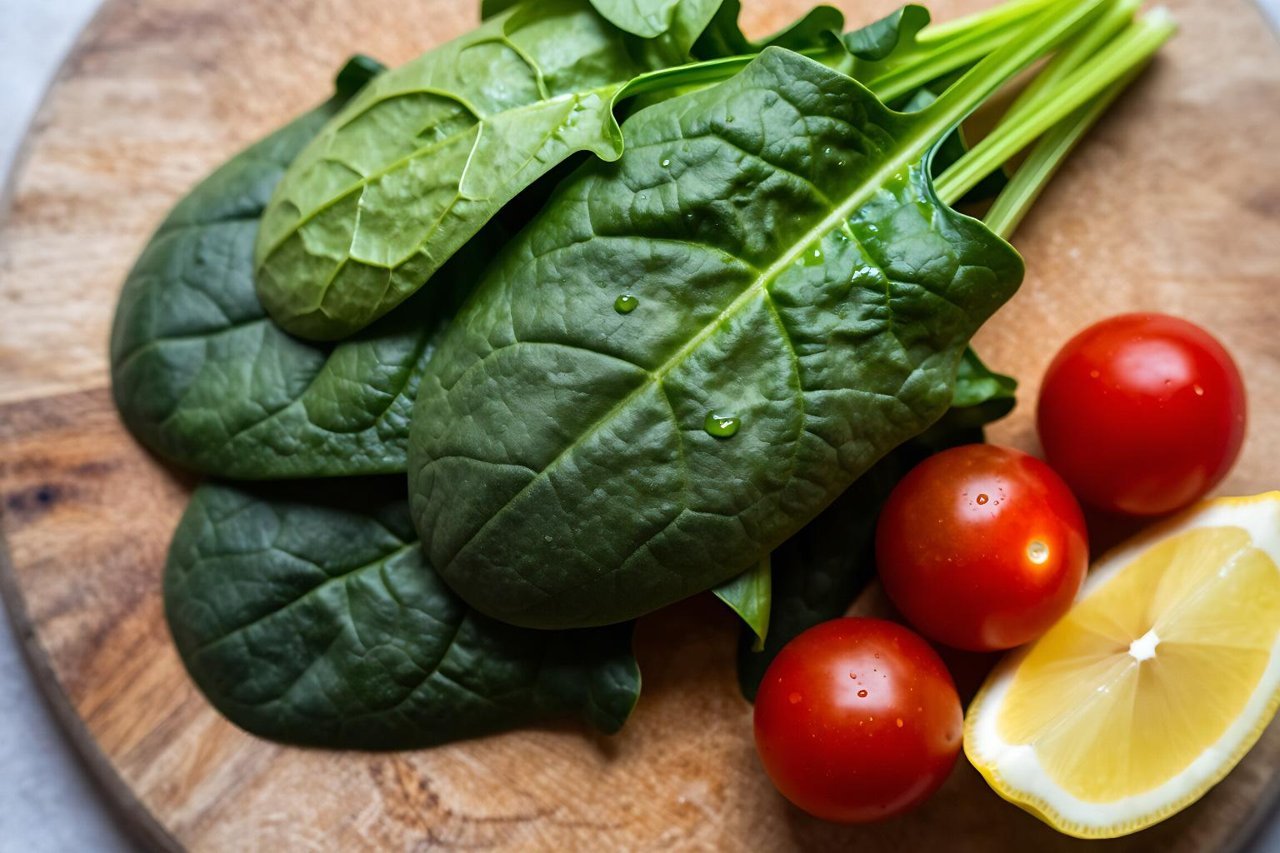
- Spinach – 3.6 mg per cup (cooked). Yes, Popeye was onto something. A single cup of cooked spinach delivers about 20% of the daily iron needs for an adult woman. It’s also rich in vitamin C, which actually helps your body absorb that iron.
- Swiss chard – 4.0 mg per cup (cooked). Slightly higher than spinach, with a milder, earthier taste. Chard also packs magnesium and potassium.
- Collard greens – 2.2 mg per cup (cooked). A Southern staple that’s great braised with garlic and a splash of vinegar.
- Beet greens – 2.7 mg per cup (cooked). Don’t toss the tops! Beet greens are often overlooked but they’re one of the most iron-dense leafy greens.
- Kale – 1.1 mg per cup (cooked). Not as high as spinach, but kale is a versatile base for salads and smoothies, and you can eat a lot of it.
- Broccoli – 1.0 mg per cup (cooked). Not the highest, but broccoli offers a solid amount along with vitamin C and fiber.
- Peas – 1.5 mg per cup (cooked). Green peas are legumes, technically, but they’re often treated as vegetables. They’re a sneaky source of iron that even picky eaters enjoy.
- Tomatoes (sun-dried) – 2.5 mg per cup. Sun-dried tomatoes are concentrated little iron bombs. They’re perfect in pasta, salads, or on sandwiches.
For a broader look at how different foods support your energy and blood flow, check out our guide on boost your blood flow naturally with nitric oxide foods.
How to Maximise Iron Absorption from Vegetables
Non-heme iron (the kind in plants) isn’t absorbed as efficiently as the heme form from animals. But you can dramatically improve absorption with a few simple tweaks.

Pair Iron Vegetables with Vitamin C
Vitamin C can boost non-heme iron absorption by up to six times. Squeeze lemon or lime juice over your cooked greens, toss sliced bell peppers into your spinach salad, or enjoy a glass of orange juice with your morning omelette that’s loaded with sautéed chard. Small changes, big payoff.
Cook Dried Beans and Greens Well
Oxalates and phytates in some vegetables (especially spinach and beet greens) can bind to iron and reduce absorption. While you shouldn’t avoid these foods, cooking—especially boiling or steaming—can lower oxalate content. A minute or two of blanching can make a real difference.
Avoid Tannins and Calcium at the Same Meal
Tea, coffee, and calcium-rich foods (like dairy) can hinder iron absorption if consumed together. Try to drink your coffee or tea between meals, not with your iron-rich plate. And if you love cheese, wait an hour after eating your greens to enjoy it.
Iron-Rich Vegetables for Specific Goals
Vegetables aren’t just about iron—they work alongside other nutrients to support your body. If you’re active or trying to build muscle, iron helps deliver oxygen to your tissues, which is essential for performance. Many iron-rich veggies also come with protein, making them a smart addition to any muscle-building plan. For more on that, see our article on the best foods for bulking that actually build muscle.
For those focused on weight loss, iron-rich greens are low in calories and high in volume, helping you feel full without overeating. Pair them with lean protein sources for a satisfying meal. Our guide to best protein foods for weight loss includes plenty of ideas that complement these vegetables.
And if you’re worried your diet isn’t covering all your micronutrient bases, consider a targeted supplement. But whole foods first—see our practical guide to filling nutritional gaps with food and supplements for advice on when to supplement.
Simple Ways to Add More Iron Vegetables to Your Meals
Getting more iron from vegetables doesn’t require a complete kitchen overhaul. Here are some no-fuss ideas:
- Throw a handful of fresh spinach into your morning smoothie (banana masks the taste).
- Swap out lettuce for a bed of cooked chard or kale in your lunchtime wrap.
- Stir chopped broccoli or peas into rice, quinoa, or pasta just before serving.
- Add sun-dried tomatoes to hummus or pasta sauces for an iron boost.
- Roast a batch of kale or beet greens with olive oil and garlic as a side dish for the week.
If you’re looking for a high-protein meal that also delivers iron, try a stir-fry with broccoli, spinach, and lean chicken or tofu. For more ideas, check out the ultimate high protein diet for muscle gain—many of those recipes can be amped up with dark leafy greens.
Iron from vegetables is a steady, sustainable way to keep your energy levels up. With the right pairings and a little creativity, you can easily hit your daily needs without relying on meat. Next time you’re at the market, grab a bunch of Swiss chard or a bag of frozen spinach. Your body will thank you.


