
Table of Contents
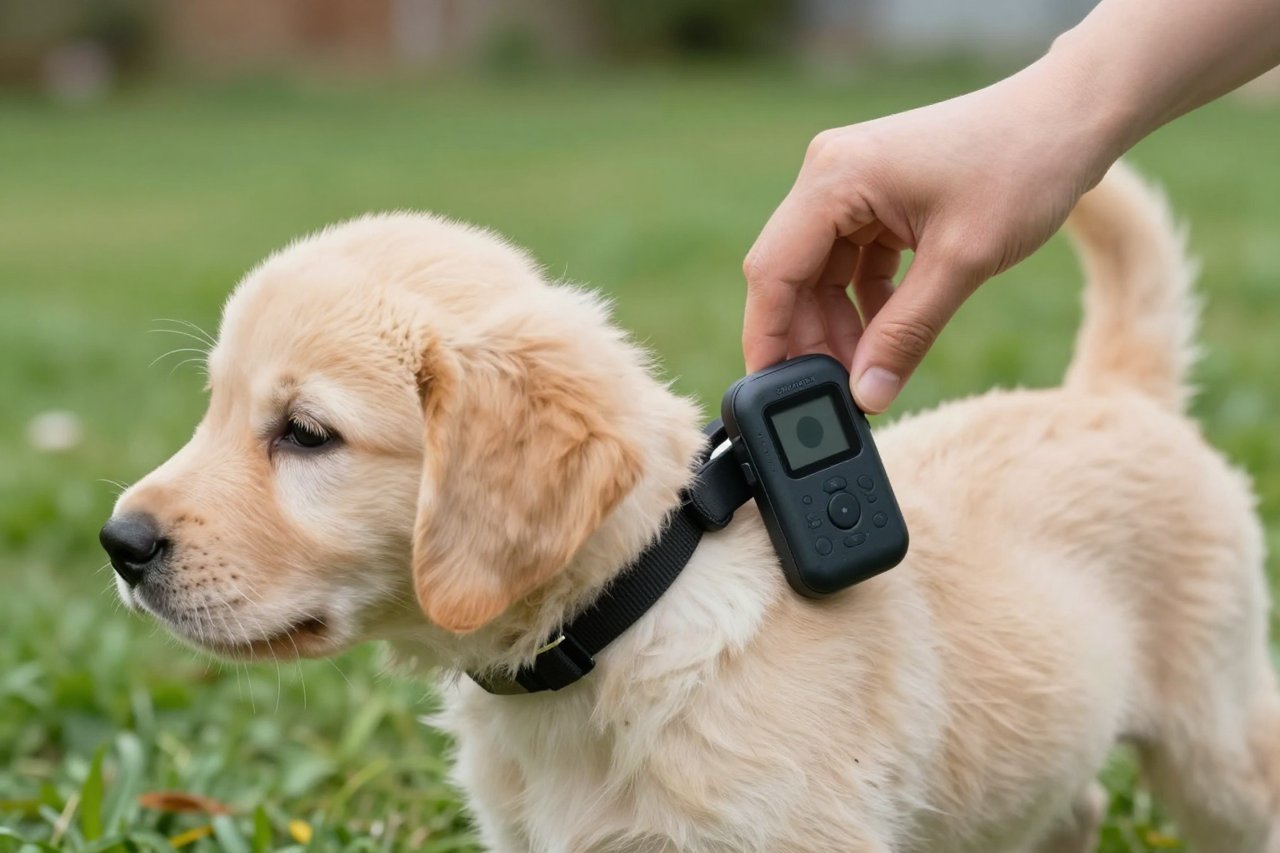
Picture this: you’re making a coffee, the doorbell rings, and your eight-week-old puppy bolts between your legs and into the street. In that moment, a hide-and-seek game turns into a life-or-death situation. A GPS puppy collar can tip the odds back in your favor, but here’s the catch: not all of them work the same way. After spending months testing different devices, I’ve realized that the biggest mistake new owners make is picking a tracker without understanding the three very different technologies hiding behind the same product photo.
Some collars use the same cellular network as your phone. Others rely on nearby iPhones. A few even double as invisible fences. Each approach has its own strengths, blind spots, and hidden costs. So before you add one to your basket, let’s compare them honestly.
Three Ways to Track a Puppy, and Why the Difference Matters
1. Dedicated GPS Trackers with Cellular Coverage
These are the big names like Tractive, Whistle, and Fi. They contain a real GPS receiver and a small SIM card that beams the location to your phone over the mobile network. You can watch your puppy’s movements in near real-time, set up safe zones that trigger alerts, and even review their activity history later.
Pros: No distance limit, as long as there’s cell and satellite coverage. You can track from a thousand miles away. Most have a live mode where you can follow the dot on a map as your pup runs through the park.

Cons: The subscription fee usually runs between $8 and $15 per month. And the constant GPS pinging devours battery: most need a recharge every one to three days, depending on how much your puppy moves. The hardware is also hefty. You don’t want to strap a 2-ounce brick onto a 2-pound Yorkie.
If you’re already weighing the long-term cost, this deep dive into battery, subscription, and range trade-offs explains why the marketing promises don’t always match real life.
2. Bluetooth Trackers Like AirTag and Tile
These aren’t truly GPS devices. They’re Bluetooth radio tags that talk to your phone when the tag is close by. Apple’s AirTag has a useful trick: any iPhone passing nearby can pick up the signal and update the tag’s location in the cloud. In dense cities, that creates a surprisingly effective network. In a quiet suburb or rural area, it’s far less useful.
Pros: Cheap. Around £30 or $30 for a tag, with no monthly fee. Tiny and light enough to clip onto an existing collar.
Cons: Tracking only works within Bluetooth range, about 100 meters in ideal conditions. If your puppy slips the leash in a forest, the AirTag will show the last known location, not a live trail. That delay can be the difference between a quick find and a real emergency. You’re also relying on strangers’ phones to report your pet’s location, which raises privacy questions.
3. GPS Fence Collars
The third category is the high-end system from brands like Halo and SpotOn. These combine a GPS receiver, cellular connectivity, and a built-in training motor to create invisible fences. You draw your property boundaries on your phone, then the collar warns your puppy when they approach the edge.
Pros: Great for keeping an energetic dog on a multi-acre property without building a physical fence. The training cues are customisable, and they’re effective for owners who invest time in learning the system.
Cons: It’s a major investment. Full systems start around $500 and sometimes require an annual subscription for mapping or data. The collars are bulkier and more complicated than a simple tracker, and you need to read the manual before letting your puppy loose. For a first-time owner managing a 10-week-old lab, it’s likely overkill.
That doesn’t mean you can’t combine a fence collar with good reinforcement. These real-world training tips will help you teach impulse control alongside the collar.
Battery Life: The Trade-Off Nobody Tells You About
You can’t just glance at a tracker when you remember to charge it, because battery drain varies wildly. A dedicated GPS collar in live-tracking mode can burn through 10 to 20 percent of its battery in an hour. The same collar in power-save mode might last a full 24 hours. Bluetooth tags, on the other hand, run for a year on a coin battery. GPS fence collars sit in the middle, usually running one to two days per charge.
What does that mean for a puppy? Puppies nap a lot, but when they’re out exploring, they’re in constant motion. If you plan a long hike, start with a fully charged device and bring a power bank. You’ll also want to test how your chosen collar behaves before you rely on it. This hands-on set-up and testing guide shows you how to verify whether it actually works in your environment, not just in the product description.
The Subscription Question: One-Time Price or Monthly Fees
Money is where most reviews get vague. A dedicated GPS collar like Tractive costs about $100 upfront plus $10 per month. Over three years, that’s $460 total. A Whistle Go Explore is around $140 plus $20 a month, so about $860 for the same period. A Bluetooth AirTag costs $35 with no subscription, but you receive far less capability. A GPS fence system like Halo is $700 plus a $15 monthly cellular fee, totalling about $1,240 over three years.
You’re not just buying a piece of plastic. You’re buying a service with ongoing costs, and those add up. For some people, the peace of mind is worth every penny. For others, a simple Bluetooth tag plus careful training is enough. There’s no universal right answer, only the trade-off that fits your budget and lifestyle. If you’re still comparing options, the GPS puppy collar essentials guide for new puppy parents outlines the hidden pitfalls of fitting and tracking that most reviewers skip.
Size, Chew Factor, and the Realities of Puppyhood
Puppies are tiny, quick, and possess a weird talent for destroying anything strapped to their necks. Check the dimensions of the device before buying. A tracker that’s too heavy can pull the collar to one side and interfere with movement. Many GPS trackers are built for adult dogs; they’re two inches long and over an inch thick. That’s fine for a 30-pound husky, but a 3-pound mix will look like they’re carrying luggage.
Waterproofing matters too. Your puppy will find mud and arguably a pond. Look for an IP67 rating or better. And beware of puppies that chew. A dangling tracker is a target. You can turn the collar so the device sits higher on the neck, but for very small breeds, an activity tracker might be a better fit. If you have a Cavalier, for example, this roundup of the best Cavalier activity trackers could point you to something lighter and more comfortable.
A Practical Checklist for Choosing Your First GPS Puppy Collar
Instead of telling you to buy the priciest gadget, let’s ask the questions that matter.
- Where do you live? City, suburb, or open country? Real-time cellular GPS is essential if you’re somewhere without a crowd of iPhones around.
- How far can your puppy wander? In a flat, a Bluetooth tag might be enough. On a large property, you need either a long-range GPS collar or a fence system.
- What’s your monthly budget? The ongoing fee for a cellular tracker can be $10 or more. Compare it to other subscriptions you already pay and decide if it feels justified.
- Will you actually remember to charge it? If you’re someone who forgets to charge their phone, choose a device with a longer battery life, such as a Bluetooth tag or an activity tracker with a two-week lifespan.
- Does your puppy have a microchip? Yes, get one regardless of your collar choice. It’s a permanent backup that no tracker can replace.
Take a breath. No collar is perfect. The right one is the device you’ll actually replace batteries in, put on every morning, and trust enough to open the back door. Once you know your property, your budget, and your puppy’s weight, the answer becomes surprisingly clear.


