
Table of Contents
Your gut is home to trillions of bacteria, and keeping them happy is one of the best things you can do for your health. While probiotics get most of the attention, they need food to thrive—and that’s where prebiotics come in. A prebiotic supplement can be a simple, effective way to nourish your microbiome, but not all are created equal. Let’s explore what prebiotics are, how they work, and how to choose the right one for you.
What Exactly Is a Prebiotic?
Prebiotics are types of dietary fiber that your body can’t digest. Instead, they travel to your colon where beneficial bacteria ferment them into fuel. This process produces short-chain fatty acids (SCFAs) like butyrate, which strengthen the gut lining, reduce inflammation, and even influence brain health.
Unlike probiotics—live bacteria you ingest—prebiotics are the fertilizer for the bacteria already living in your gut. Think of them as the garden hose that waters your internal ecosystem. A prebiotic supplement concentrates these fibers, making it easier to get a consistent dose without overhauling your diet.
Key Benefits of Taking a Prebiotic Supplement
Digestive Health and Regularity
Prebiotics help soften stools and increase bowel movement frequency. One study found that people taking 12 grams of inulin (a common prebiotic) daily experienced significant improvements in constipation. For those with irritable bowel syndrome (IBS), certain prebiotics can reduce bloating and gas—though starting with a low dose is crucial to avoid discomfort.

Immune Support
About 70% of your immune system lives in your gut. When prebiotics feed beneficial bacteria like Bifidobacterium and Lactobacillus, they help crowd out pathogens and stimulate the production of protective immune cells. A daily prebiotic supplement may reduce your risk of respiratory infections and shorten the duration of colds.
Blood Sugar and Weight Management
SCFAs from prebiotic fermentation improve insulin sensitivity and reduce fat storage. In a 12-week trial, participants taking a prebiotic supplement lost more belly fat and had lower fasting blood sugar than those on a placebo. The fiber also slows carbohydrate digestion, preventing sharp blood sugar spikes after meals.
Types of Prebiotic Supplements
Not all prebiotics are the same. Here are the most common ones you’ll find on the shelf:
- Inulin and Fructooligosaccharides (FOS) – Derived from chicory root, these are widely studied and affordable. They’re great for general gut health but can cause gas in sensitive individuals.
- Galactooligosaccharides (GOS) – Found naturally in breast milk, GOS are gentle and well-tolerated. They’re especially effective for increasing Bifidobacteria.
- Xylooligosaccharides (XOS) – A newer player, XOS can be effective at much lower doses (1–2 grams) compared to inulin (5–10 grams).
- Resistant Starch – Found in green bananas or potato starch, this prebiotic feeds butyrate-producing bacteria. It’s often sold as a powder for smoothies.
- Arabinoxylans – Derived from rice bran, these have shown promising benefits for immunity and metabolism. 14 Rice Bran Arabinoxylan Benefits provides a deeper look at how this specific prebiotic can support your health.
How to Choose a Prebiotic Supplement
Start with a product that lists the specific prebiotic type and dose per serving. Look for third-party testing (like NSF or USP) to ensure purity. If you have a sensitive gut, opt for GOS or XOS—they cause less bloating. For general wellness, inulin or FOS are solid choices.
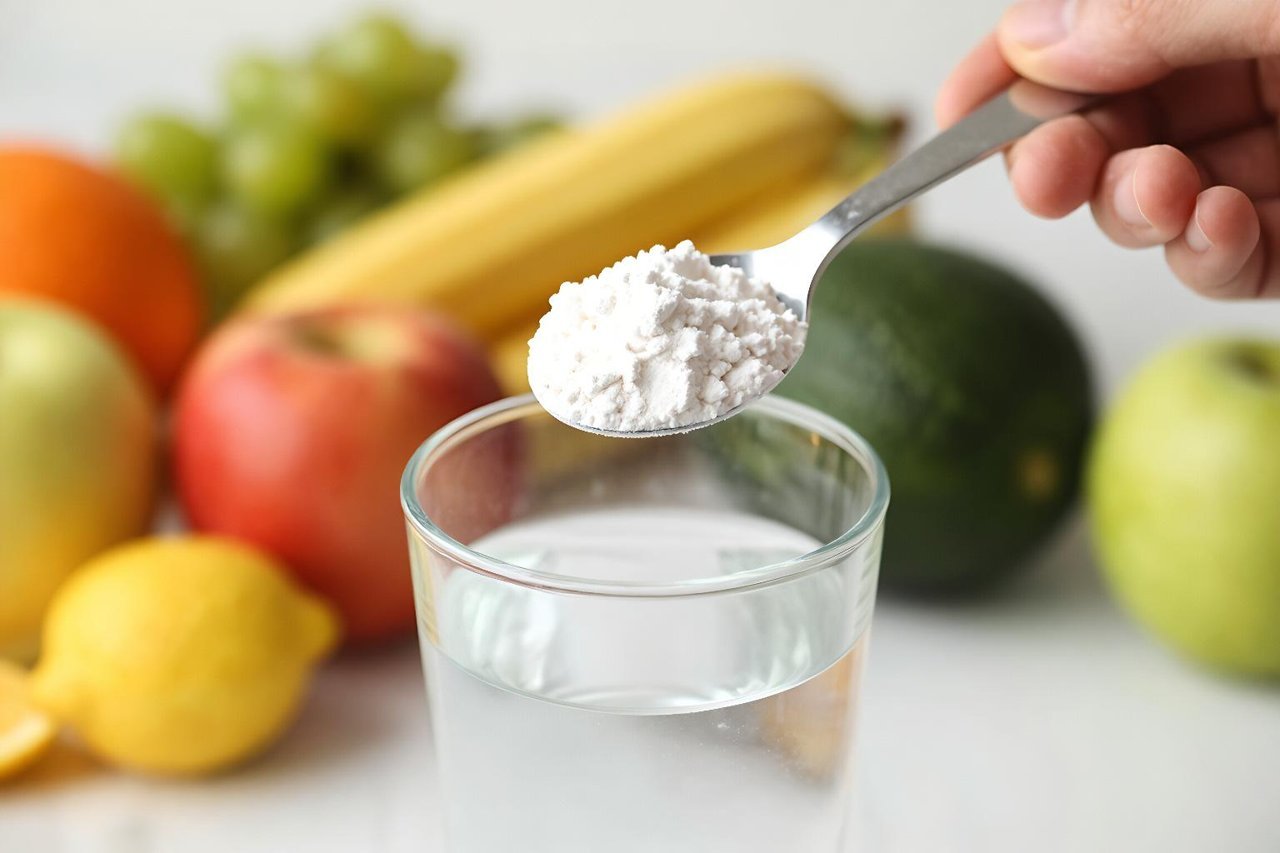
Consider the form: powder, capsules, or gummies. Powders mix easily into water or yogurt and allow flexible dosing. Capsules are convenient for travel. Avoid products with added sugars or artificial fillers.
Best Practices for Taking a Prebiotic Supplement
Start Low and Go Slow
Begin with half the recommended dose for the first week. Your gut bacteria need time to adapt. If you jump in with a full dose, you may experience bloating, gas, or cramping. Gradually increase over 2–4 weeks.
Pair with Probiotics (or Not)
Some supplements combine pre- and probiotics (called synbiotics). This can be effective, but separate products give you more control. If you already take a probiotic, adding a prebiotic supplement can enhance its survival and activity. For more on filling nutritional gaps, see Food Supplement Vitamins: A Practical Guide to Filling Nutritional Gaps.
Stay Hydrated
Fiber absorbs water. Drinking plenty of fluids helps the prebiotic work smoothly and prevents constipation.
Food Sources vs. Supplements
You can get prebiotics from foods like garlic, onions, leeks, asparagus, bananas, oats, and legumes. But getting a therapeutic dose (5–10 grams) through diet alone requires eating large amounts daily—for example, 10 cloves of garlic or 3 large bananas. A supplement offers convenience and precision.
That said, whole foods provide additional nutrients and phytochemicals. Why Fermented Foods Are Your Gut’s Best Friend (and How to Eat More) explains how fermented foods like kimchi and sauerkraut also support gut health, and pairing them with prebiotics can be a powerful combo.
Potential Side Effects and Who Should Be Careful
Most people tolerate prebiotic supplements well, but some experience gas, bloating, or diarrhea, especially with high doses. Those with small intestinal bacterial overgrowth (SIBO) or FODMAP sensitivities should start with very small amounts or choose low-FODMAP options like GOS.
If you have a chronic condition or are on medication, consult your doctor before starting any new supplement.
Real-World Results: What to Expect
Within the first week, you may notice softer stools and less bloating. After 2–4 weeks, many people report more regular bowel movements and less gas. Immune benefits—like fewer colds—may take 4–8 weeks. Consistency matters more than dose: taking a prebiotic supplement daily for at least a month gives the microbiome time to shift.
One user I know started with 2 grams of inulin powder in her morning coffee. By week three, her chronic constipation resolved, and she felt less sluggish. She later switched to a GOS supplement for even better tolerance.
Prebiotics and Your Unique Gut
Everyone’s microbiome is different. A prebiotic that works wonders for your friend might cause you discomfort. Listen to your body. If one type doesn’t agree with you, try another. The goal is to find a prebiotic supplement that you can take consistently—not one that makes you miserable.
For a deeper look at how specific fibers like arabinoxylan can target multiple health areas, 14 Rice Bran Arabinoxylan Benefits offers a comprehensive breakdown. And if you’re curious about building a holistic supplement routine, Food Supplement Vitamins: A Practical Guide to Filling Nutritional Gaps can help you see where prebiotics fit in.
Your gut bacteria are waiting for their meal. A quality prebiotic supplement might be just what they need to thrive.


