
Table of Contents
Protein is having a moment, and for good reason. It doesn’t just feed your muscles. It keeps hunger in check, helps your body repair itself, and plays a role in nearly every cell you have. But with all the powders, bars, and “high-protein” labels plastered on snack bags, it’s easy to forget that the best protein-rich foods are usually the simplest ones. This guide walks through real, practical ways to hit your protein goals, whether you’re trying to lose fat, build muscle, or simply eat better without obsessing over every meal.
How Much Protein Do You Actually Need?
The standard recommendation is 0.8 grams per kilogram of body weight. For a 70 kg person that’s 56 grams a day, which is frankly the minimum to avoid deficiency. If you’re active, older, or trying to change your body composition, that number climbs. Many sports nutritionists suggest 1.2 to 2.0 grams per kilogram for people who train regularly. So an 80 kg male who lifts weights might want 120 to 160 grams spread across the day.
But numbers only get you so far. The trick is to make protein-rich foods a regular part of every meal, rather than a single huge steak at dinner.
Animal-Based Protein-Rich Foods
Chicken and Turkey
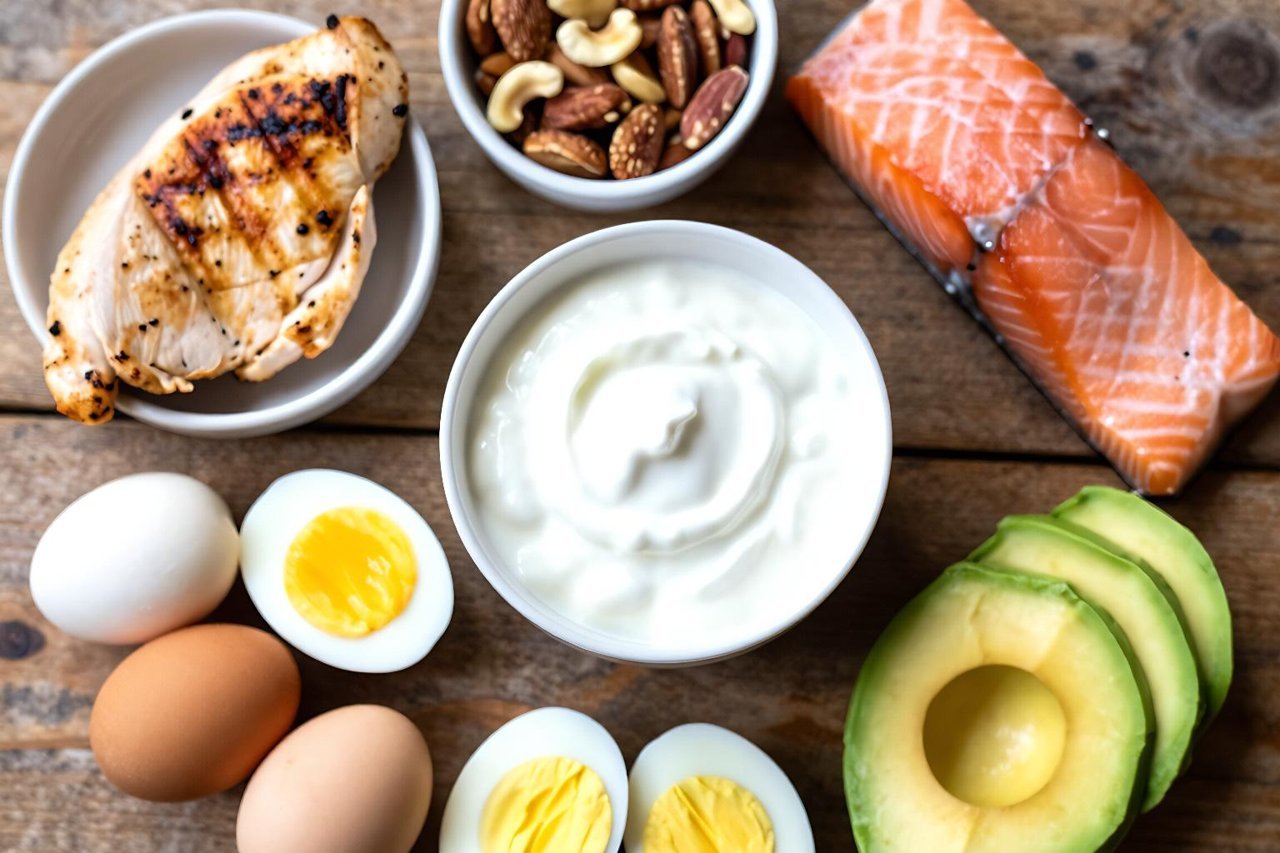
Chicken breast is the classic lean protein. A 100 gram serving of skinless chicken breast gives you around 31 grams of protein with only a few grams of fat. It’s also incredibly versatile. Slice it cold onto a salad, dice it into stir-fries, or slow-cook it in a sauce. Turkey is similar, though ground turkey can be higher in fat unless you choose leaner cuts.

Eggs and Dairy
One large egg offers about 6 grams, but you also get choline, vitamin D, and some healthy fats. Don’t skip the yolk just to save a few calories. For dairy, Greek yogurt is a standout. A typical single-serve pot has 15 to 20 grams, and it’s also packed with probiotics. Cottage cheese is another old-school favourite, with around 25 grams per cup.
Fish and Seafood
Fish is one of the most nutrient-dense protein-rich foods on the planet. Canned tuna packs about 20 grams per 100 grams. Salmon brings roughly 22 grams plus omega-3 fats that support your heart and brain. Canned sardines are a cheap and sustainable option, and you don’t have to peel or prepare anything.
Red Meat (in moderation)
Lean cuts of beef like sirloin or round steak offer about 26 grams per 100 grams. Pork loin is similar. Red meat also supplies heme iron, which your body absorbs more easily than plant iron. You don’t need a huge steak every night, but a couple of servings a week can be a solid part of a balanced diet.
Plant-Based Protein-Rich Foods
Legumes and Beans
Lentils deliver about 18 grams of protein per cooked cup. Chickpeas are close behind with 15 grams. Black beans, kidney beans, edamame, all of them count. The bonus is the fibre, which keeps digestion regular and helps with satiety. You can add beans to soups, mash them into patties, or toss them into a grain bowl.
Tofu, Tempeh, and Seitan
Tofu gets a bad rap for being bland, but it’s really a blank canvas. Press it, marinate it, and roast it until crispy, and it’ll soak up whatever flavour you throw at it. Tempeh is fermented and has a firmer texture, with around 19 grams per 100 grams. Seitan, made from wheat gluten, boasts more than 25 grams per 100 grams, making it one of the concentrated plant sources around.
Quinoa and Other Whole Grains
Most grains are modest in protein, but quinoa is unusual because it contains all nine essential amino acids. A cooked cup gives you about 8 grams. Amaranth and buckwheat are similar. If you’re pairing grains with beans, the amino acid profiles complement each other well.
Nuts, Seeds, and Their Butters
Almonds have about 6 grams per small handful. Peanut butter delivers 8 grams in two tablespoons. Pumpkin seeds and hemp seeds are even more impressive, with hemp seeds offering 10 grams per three-tablespoon serving. The calories are high, though, so stick to measured portions rather than eating from the jar.
The Best Protein-Rich Foods for Muscle Gain and Weight Loss
Now, a quick word on goals. If you’re trying to build lean tissue, you need protein, but you also need enough overall calories and a structured training plan. That’s why we put together a detailed list of the best high protein foods for muscle gain, no fluff, just facts. It covers serving sizes and practical meal ideas, not just a list of names.
On the flip side, if you’re in a fat loss phase, protein becomes your most valuable tool. It increases satiety, has a higher thermic effect than carbs or fat, and helps preserve muscle while you’re in a calorie deficit. Our guide to best protein foods for weight loss explains exactly how to structure your meals around these foods so you feel full without blowing your calorie budget. You can also combine the strategies in our broader guide to weight loss foods, which looks at satiety beyond just protein.
One thing people often miss: many protein-rich foods are naturally low in carbohydrates. That makes them a natural fit if you’re reducing carb intake for any reason. The list of low carb foods includes plenty of these staples, so you can reference it when planning your weekly shop.
Practical Tips for Eating More Protein Every Day
You don’t need a complicated supplement plan. Small habits get you there faster than a single massive shake. Try these:
- Start breakfast with 20 grams. Two eggs with a side of Greek yogurt gets you close.
- Keep cooked chicken breast or canned fish in the fridge for easy lunches.
- Swap regular bread for a higher-protein wrap if you need a quick sandwich base.
- Add a scoop of collagen or whey to your morning coffee. It’s tasteless and adds 10 to 20 grams.
- Stir cottage cheese into scrambled eggs just before they set. It adds creaminess and 5 more grams.
- Make overnight oats with milk, yoghurt, and a scoop of protein powder.
- Snack on a “protein box” with cheese, nuts, and a hard-boiled egg.
Notice that none of these require elaborate recipes. It’s about making protein-rich foods the default option rather than the afterthought.
Protein Quality and Amino Acid Myths
Protein isn’t just one single nutrient. It’s a chain of amino acids, and your body uses them for everything from muscle repair to immune function. Animal proteins are generally considered “complete” because they contain all nine essential amino acids in meaningful amounts. Most plant proteins are incomplete, meaning they’re low in one or more of those essentials.
That doesn’t mean plant-only eaters are doomed. It means they need to eat a variety of sources. Traditional combinations like rice and beans fill the gaps without any fancy science. Soy and quinoa are complete on their own, so those are great anchors. If you’re following a vegan or vegetarian diet, just aim for a mix of pulses, grains, nuts, and seeds across the day.
There’s also a persistent rumour that you can’t absorb more than 30 grams of protein in a meal. That’s not accurate. Your body can digest and use much larger amounts, though the extra might go toward energy rather than muscle synthesis. For most people, hitting a daily total is far more important than obsessing over per-meal limits.
High-Quality Carbs to Pair with Protein
Protein doesn’t exist in a vacuum. What you eat alongside it changes how full you feel and how well you recover. If you’re cutting, pair a fist-sized portion of protein with non-starchy vegetables and a modest serving of complex carbohydrates like sweet potato or quinoa. If you’re maintaining or trying to gain, add rice, oats, or fruit without worrying as much.
The practical rule is simple: fill half your plate with vegetables, a quarter with protein-rich foods, and the remaining quarter with whole-food carbs. Then add some healthy fat in the form of olive oil, avocado, or nuts. That structure keeps your meals balanced and helps you avoid the classic mistake of eating chicken with no sides and wondering why you’re hungry an hour later.


